Saudi Arabia restores key oil pipeline as Houthi attacks threaten Red Sea exports
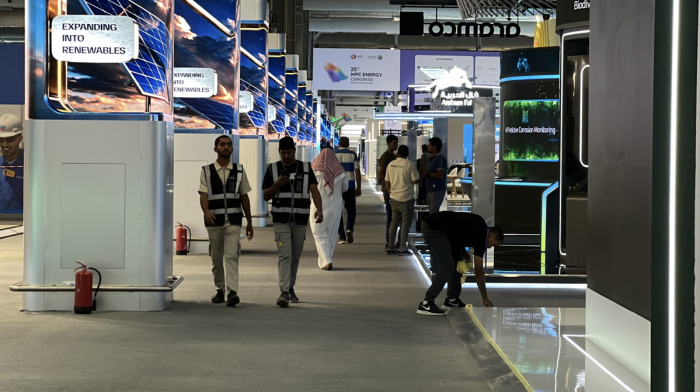
Saudi Arabia has restarted its East-West oil pipeline, bringing back an important route for moving crude from the kingdom’s oil fields to the Red Sea port of Yanbu.
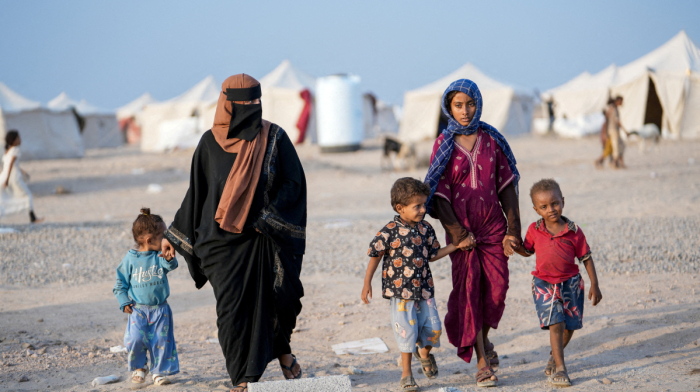
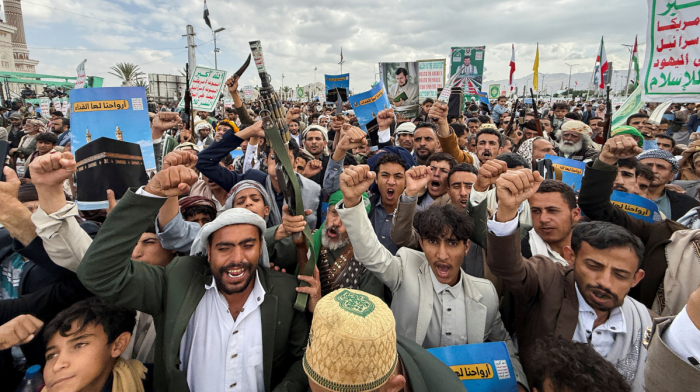
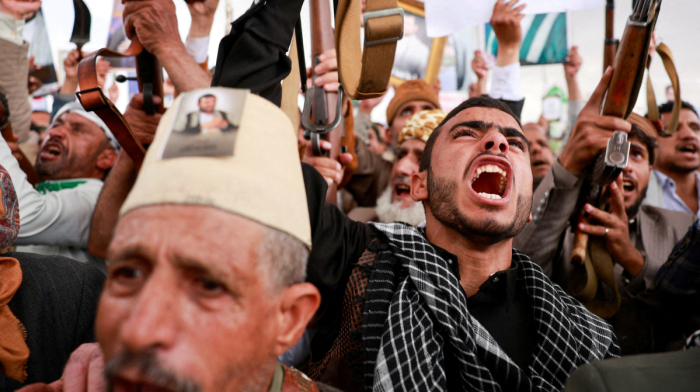
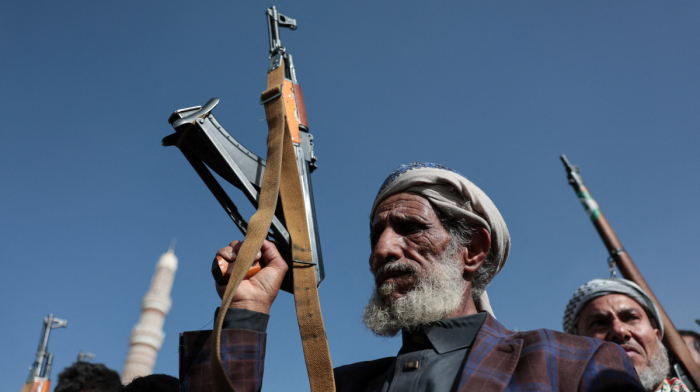
The Houthi offensive in Yemen is extending beyond the country's civil war, adding pressure to two of the Middle East's most important maritime trade routes and raising risks for energy, shipping and food supplies.
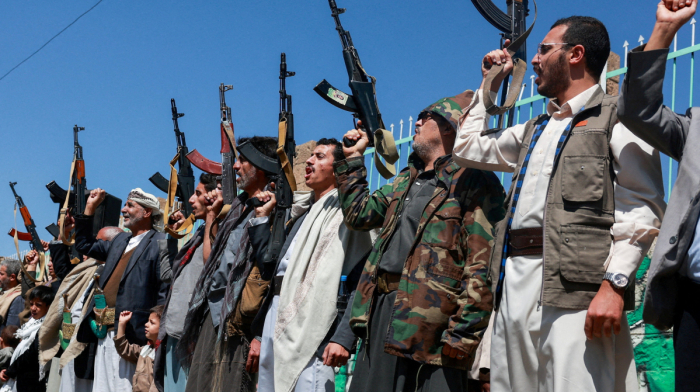
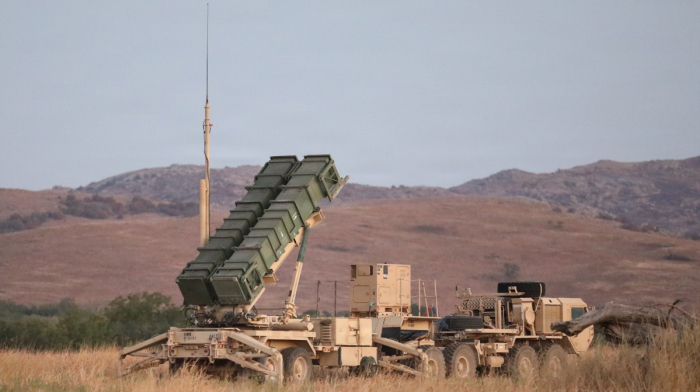
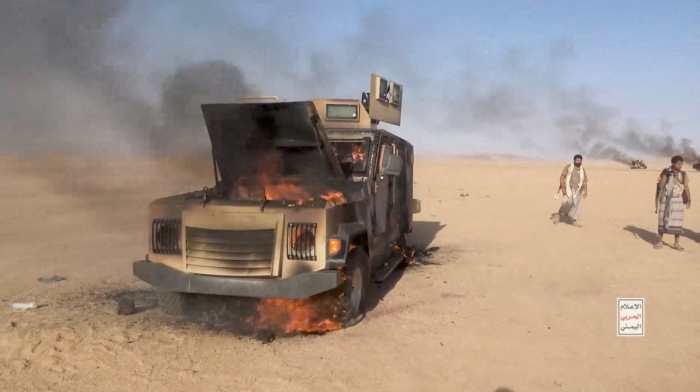
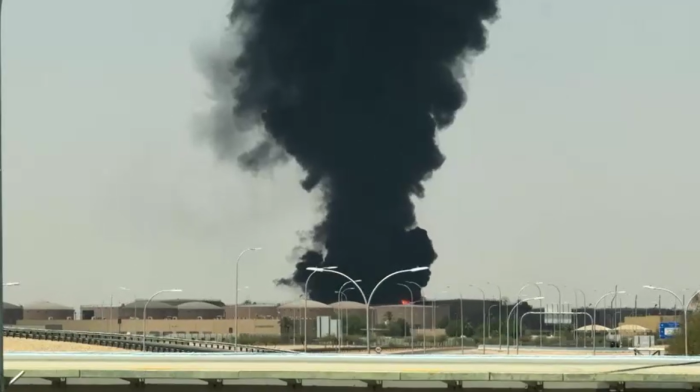
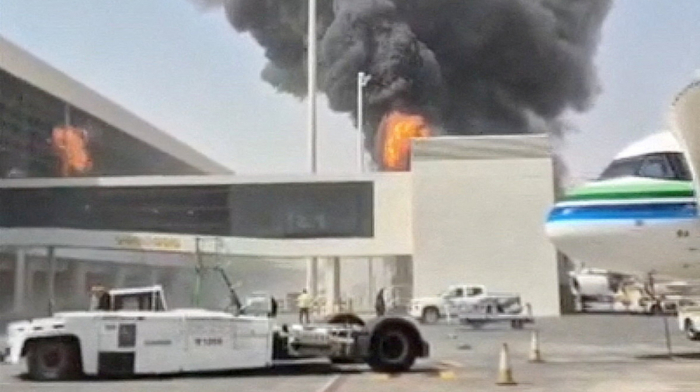
Saudi Arabia faces a growing security challenge as Houthi missile and drone attacks reach Riyadh and threaten critical energy infrastructure, putting pressure on the Kingdom's air defences and vital oil export routes.
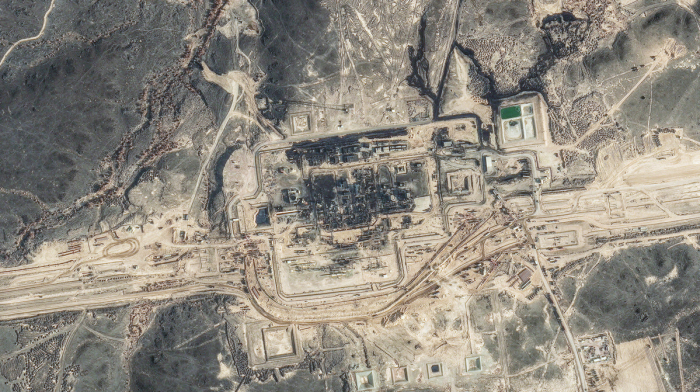
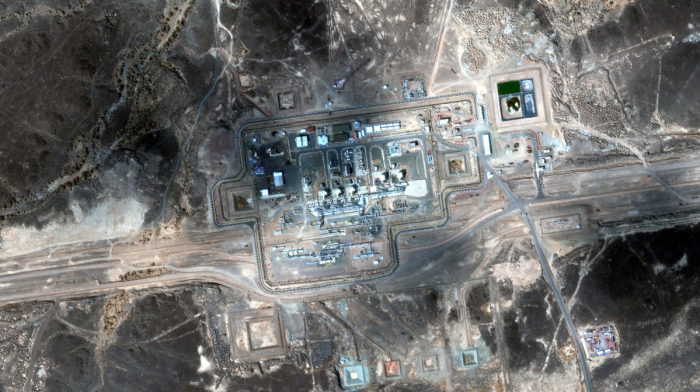
Saudi Arabia’s 1,200‑kilometre East‑West pipeline Petroline has been forced to suspend service after militant attacks damaged three pumping stations in the Riyadh and Madinah regions. The line can move about seven million barrels a day, but the damage could take five to six weeks to repair.
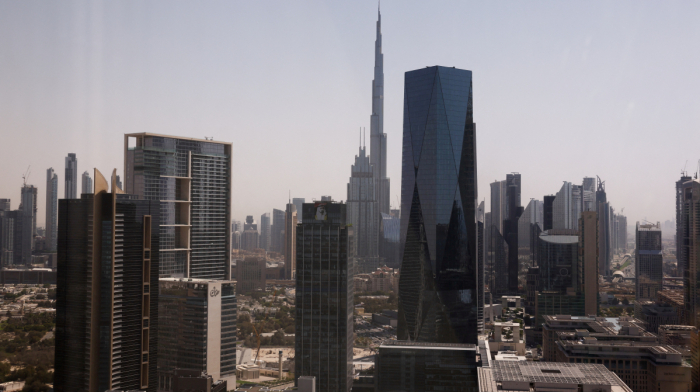
Wednesday's session of the 24th Arab Media Summit in Dubai has shifted the discussion towards a central question for modern media: how can regional news organisations tell their own stories while reaching audiences far beyond their borders?
The opening day of the 24th Arab Media Summit in Dubai highlighted how geopolitical, economic and technological upheaval is reshaping not only the region, but the media industry itself.
Dubai’s property market has spent years climbing. Now, for the first time since 2021, prices are moving in the opposite direction.
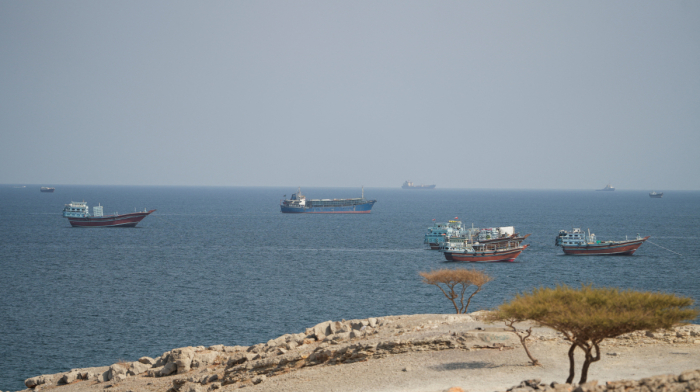
Saudi Arabia is facing a problem that goes beyond the latest Houthi attacks on its southern oil facilities. The kingdom is now dealing with pressure on energy exports at the Strait of Hormuz to the east and the Red Sea route to the west.
Oil has crossed the $100-a-barrel mark again, but for Gulf countries this is not simply good news. Brent reached about $100.07 on Wednesday, its highest level since July, as the U.S.-Iran war and attacks on Saudi energy facilities raised fresh fears about supplies.
Saudi Arabia is now facing pressure from both ends of the Arabian Peninsula. While the crisis around the Strait of Hormuz is disrupting Gulf shipping and energy flows, fighting has intensified in western Yemen, bringing the Houthis back into direct confrontation with the kingdom.
The Strait of Hormuz is moving into a more complicated stage of the U.S.-Iran war. Tehran says it will establish a new restricted maritime zone around the waterway, while Iran and Oman are preparing to formalise a separate shipping route intended to restore at least part of commercial traffic.
Missiles and drones targeting Kuwait are turning the northern Gulf into a new frontline in the U.S.-Iran conflict, with Kuwaiti forces reporting repeated interceptions of Iranian attacks, including strikes aimed at sites linked to the U.S. military.
The latest escalation between the United States and Iran is being fought not only on the ground and at sea, but increasingly in the skies above the Gulf where a missile launch or intercepted drone can force an aircraft thousands of metres above the region to change course.
The U.S.-Iran conflict continues to knock on the door of the Gulf region. Following overnight U.S. air strikes against Iranian military targets, Iran has retaliated by shooting missiles and armed drones toward areas hosting American forces across neighbouring nations.
You can download the AnewZ application from Play Store and the App Store.