Australia grants humanitarian visas to Iranian women footballers
Australia has granted humanitarian visas to five Iranian women footballers who sought asylum, fearing persecution after refusing to sing their national anthem at an Asia Cup match.
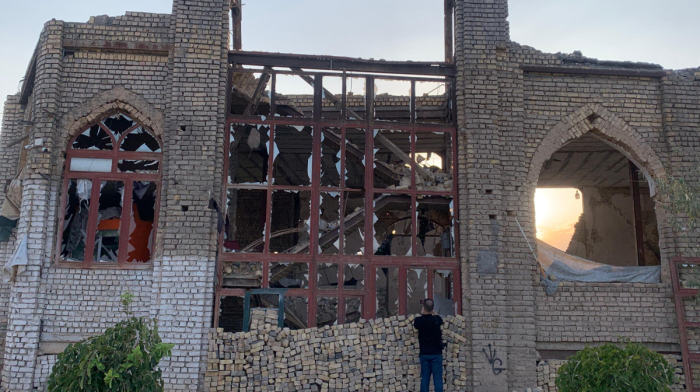
Centuries-old palaces and mosques in Isfahan, Iran’s celebrated cultural capital, lie in ruins after a series of air raids struck the city’s historic centre, leaving officials to warn of a devastating loss to both national and global heritage. AnewZ’s Touraj Shiralilou visited the city.
Tensions in the region remained high on Tuesday (10 March), as the United States and Iran exchanged increasingly sharp warnings, including threats over the strategic Strait of Hormuz, a critical artery for global oil supplies.
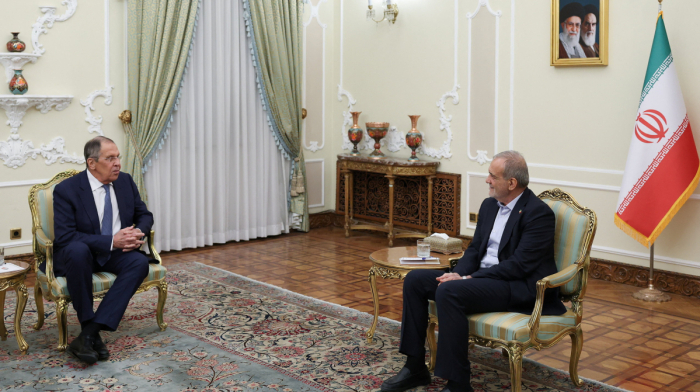
Iran and the U.S. exchanged threats on Tuesday, as U.S. Defense Secretary Pete Hegseth warned Tehran to expect the “most intense day" of attacks so far. Meanwhile, Iranian President Masoud Pezeshkian said “anyone who entertains the illusion of destroying Iran knows nothing of history."
Up to 30 tonnes of food will be delivered to Iran amidst ongoing hostilities with U.S. and Israel, following a phone converstation between the President of Azerbaijan Ilham Aliyev and Iranian counterpart Massoud Pezeshkian.
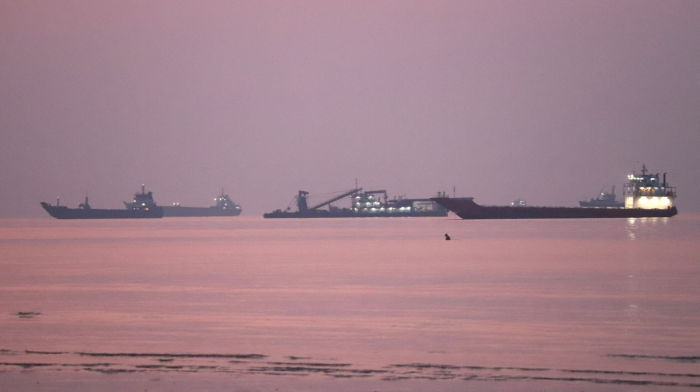
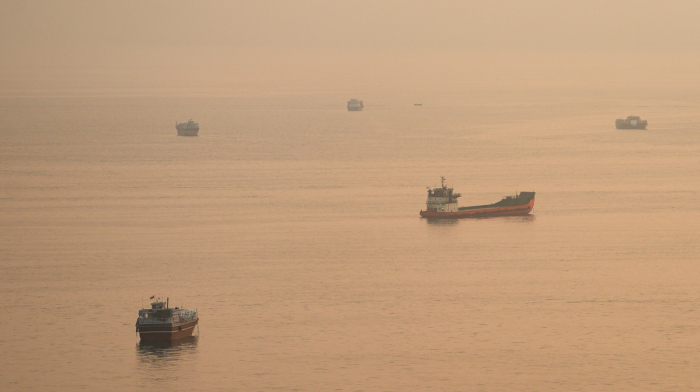
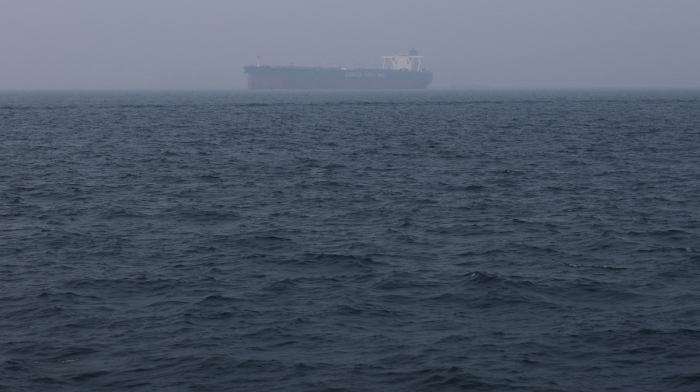
The Strait of Hormuz has become a focal point of global concern as tensions rise following the conflict involving Iran, the United States and Israel. Tehran has threatened to block the strategic waterway, raising fears of disruption to global oil shipments and energy markets.
Reports of so-called “acid clouds” moving from Iran towards Central Asia are not supported by scientific data, national hydrometeorological services in Kazakhstan, Uzbekistan and Kyrgyzstan say, adding there is no threat to the region.
Turkish President Recep Tayyip Erdoğan has told Masoud Pezeshkian, his Iranian counterpart, that violations of Turkish airspace by Iran could not be justified “for any reason whatsoever.”
Azerbaijan is evacuating nearly 200 people from the Middle East on a special charter flight departing from Oman.
Global oil prices reached a four year high on Monday (9 March), surpassing $119 a barrel, as conflict in the Middle East rumbled on. Meanwhile, the Turkish Military said NATO air defence systems destroyed a missile fired from Iran towards the country.
U.S. President Donald Trump and UK Prime Minister Keir Starmer spoke by phone on Sunday as tensions between Washington and Westminster deepened over the conflict involving Iran. The call came less than a day after Trump criticised Britain’s response to U.S. strikes on Iranian targets.
Iranian civilian and military officials have pledged their obedience to the new leader, Ayatollah Seyed Mojtaba Khamenei, with President Masoud Pezeshkian saying his leadership “will herald a new era of dignity and authority for the Iranian nation.”.
Almost 2,000 people have been evacuated from Iran via Azerbaijan since conflict erupted in the Middle East.
Kazakhstan has evacuated more than 7,300 citizens from the Middle East since regional tensions escalated, using both air and land routes to bring nationals home while closely monitoring political developments and potential economic effects linked to rising oil prices.
Entry and exit across the state border between Azerbaijan and Iran for all types of cargo vehicles, including those in transit, will resume on 9 March, according to a statement by the Cabinet of Ministers of Azerbaijan.
Recent operations by the U.S. military have led some to believe that a decapitating strike is a silver bullet capable of fixing any foreign policy problem swiftly. However, this logic is flawed, and the risks of relying on swift, targeted actions are too great to ignore.
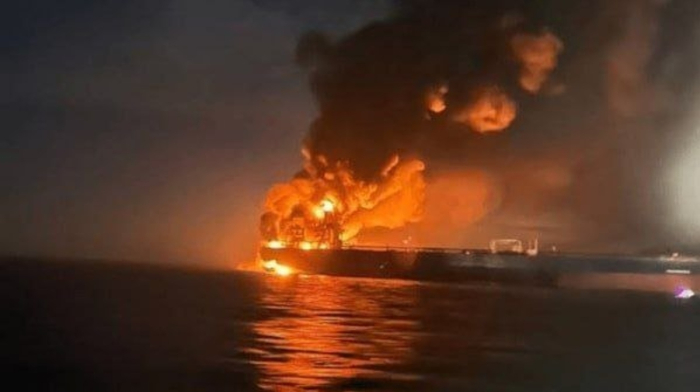
Bahrain’s state-owned oil company Bapco has declared force majeure after an attack set the country’s only refinery ablaze. The firm says domestic supplies remain secure, but operations are disrupted by the ongoing Middle East conflict, underscoring regional energy risks.
Start your day informed with AnewZ Morning Brief. Here are the top news stories for the 9th of March, covering the latest developments you need to know.
Iran named Mojtaba Khamenei to succeed his father Ali Khamenei as supreme leader on Monday (9 March), signaling that hardliners remain firmly in charge, as the week-old U.S.-Israeli war with Iran pushed oil above $100 a barrel.
Mojtaba Khamenei, son of the late Ayatollah Ali Khamenei, is a hardline cleric with strong backing from the Islamic Revolutionary Guard Corps. His rise signals continuity in Tehran's anti-Western policies.
U.S. President Donald Trump warned Iran to expect further strikes on Saturday (7 March). In a post on social media, he said Iran would be 'hit very hard'. His comments came a week into the conflict with Iran, which has spread across the Middle East.
U.S. President Donald Trump threatened further attacks on Iran on Saturday (7 March), while the United Arab Emirates and Saudi Arabia continued to shoot down missiles in their airspace. Meanwhile, Iran’s President Masoud Pezeshkian said Tehran would stop attacking its neighbours.
Tehran’s Mehrabad Airport came under attack in heavy airstrikes on early Saturday morning (7 March), Iranian news agencies reported.
Baku has completed its evacuation of staff from the Azerbaijan Consulate General in Tabriz, while most employees from the Azerbaijan Embassy in Tehran have also returned.
You can download the AnewZ application from Play Store and the App Store.