Thai school shooting: At least 8 dead, several injured
Three students and three teachers are among the dead following a school shooting in Thailand, with at least 15 injured, according to Royal Thai Police...
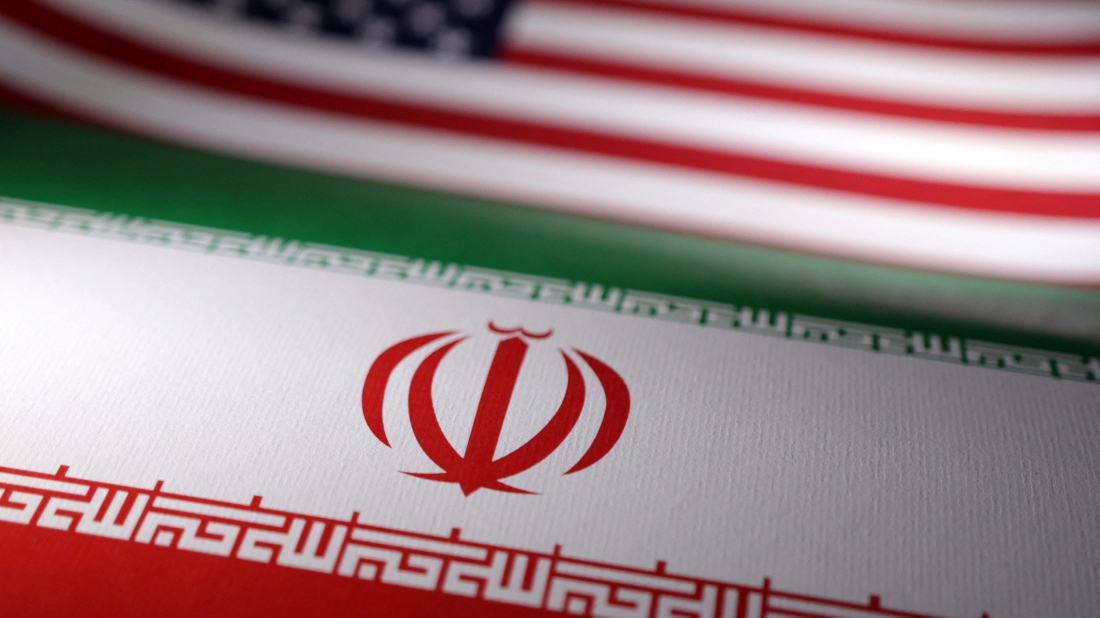
The United States, on 30 July, announced sweeping sanctions on more than 115 individuals, entities, and vessels tied to Iran, weeks after bombing key nuclear sites, as part of its intensifying pressure campaign on Tehran.
The latest sanctions, described by the Treasury Department as the most significant since 2018, focus heavily on the shipping empire of Mohammad Hossein Shamkhani, the son of Ali Shamkhani, an adviser to Supreme Leader Ayatollah Ali Khamenei. According to US officials, Shamkhani operates a vast web of container ships and oil tankers through intermediaries, enabling the export of Iranian and Russian oil while generating billions in profits for the regime.
Treasury accused Shamkhani of exploiting personal ties and systemic corruption within Tehran to prop up the Islamic Republic and its regional activities. His network allegedly spans 17 countries, including Italy, Panama, and Hong Kong.
In total, Washington blacklisted 15 shipping firms, 52 vessels, 12 individuals, and 53 entities. A senior US official noted the action was calibrated to avoid disrupting global oil markets, saying it targets specific actors involved in sanctions evasion.
Although the sanctions will affect both Iran and Russia, the US stressed the move was primarily aimed at Tehran, citing Shamkhani’s direct ties to the Supreme Leader and his family’s prior involvement in sanctions breaches.
The European Union had already sanctioned Shamkhani earlier in July for his role in facilitating Russian oil exports. His father, Ali Shamkhani, was sanctioned by the US in 2020.

U.S. President Donald Trump said there was an "all-day negotiation" on Tuesday with Iran, characterising the talks positively while also threatening to hit Iran "really hard" if a deal was not reached.
Shipping traffic through the Strait of Hormuz and the Bab el-Mandeb Strait, two key maritime chokepoints in the region, decreased significantly from the previous day, according to shipping data.
Start your day informed with AnewZ Morning Brief. Here are the top news stories for the 6th of August, covering the latest developments.
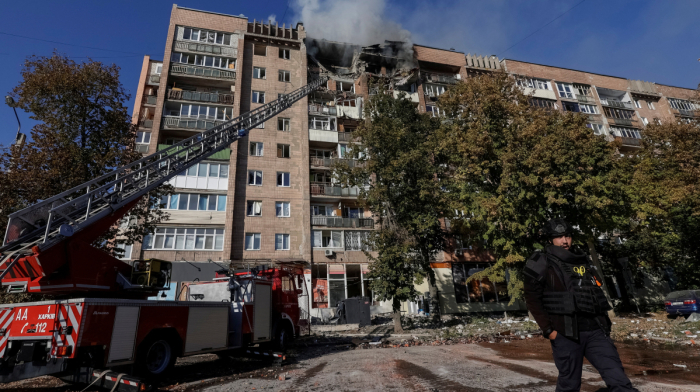
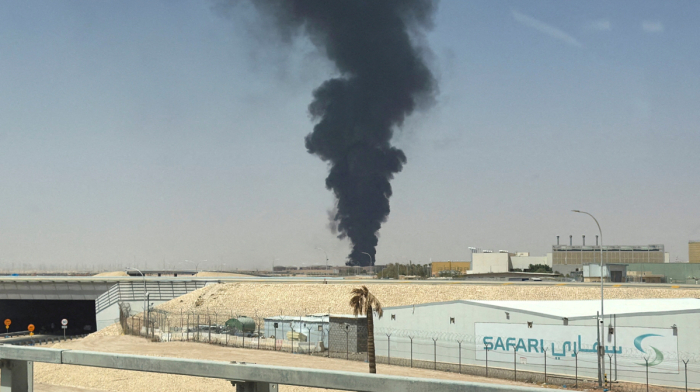
Kazakhstan’s main oil export corridor was disrupted by drone strikes near Russia’s Black Sea coast in July, forcing a temporary suspension of crude loadings and raising fresh concerns over the vulnerability of regional energy infrastructure to the war in Ukraine.
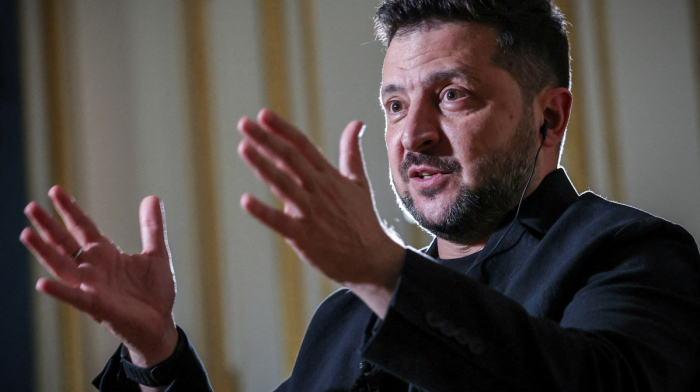
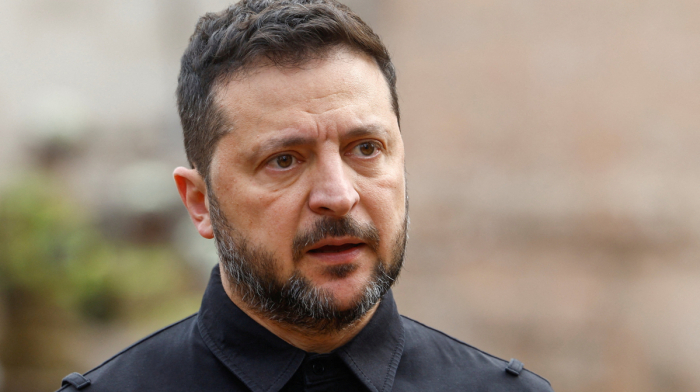
Ukrainian President Volodymyr Zelenskyy has dismissed the country's ambassadors to Tajikistan, Kyrgyzstan and several other countries. The removals came after a speech on Monday in which he said embassies would be judged on their effectiveness in securing weapons for Ukraine.
Uzbek exporters say repeated disruptions to Wildberries' logistics network in Russia have slowed deliveries and affected overseas sales, prompting the government to hold talks with the online marketplace's management.
Tajikistan tripled fuel imports from neighbouring Central Asian countries in July after deliveries from Russia declined sharply, underscoring how disruptions to Russian exports are prompting governments across the region to seek alternative suppliers.
Morocco has expressed its readiness to work with Spain and other European partners to identify and return unaccompanied minors following the mass arrival of tens of thousands of migrants Ceuta last week.
Three students and three teachers are among the dead following a school shooting in Thailand, with at least 15 injured, according to Royal Thai Police.
Start your day informed with AnewZ Morning Brief. Here are the top news stories for the 7th of August, covering the latest developments.
You can download the AnewZ application from Play Store and the App Store.
What is your opinion on this topic?
Leave the first comment