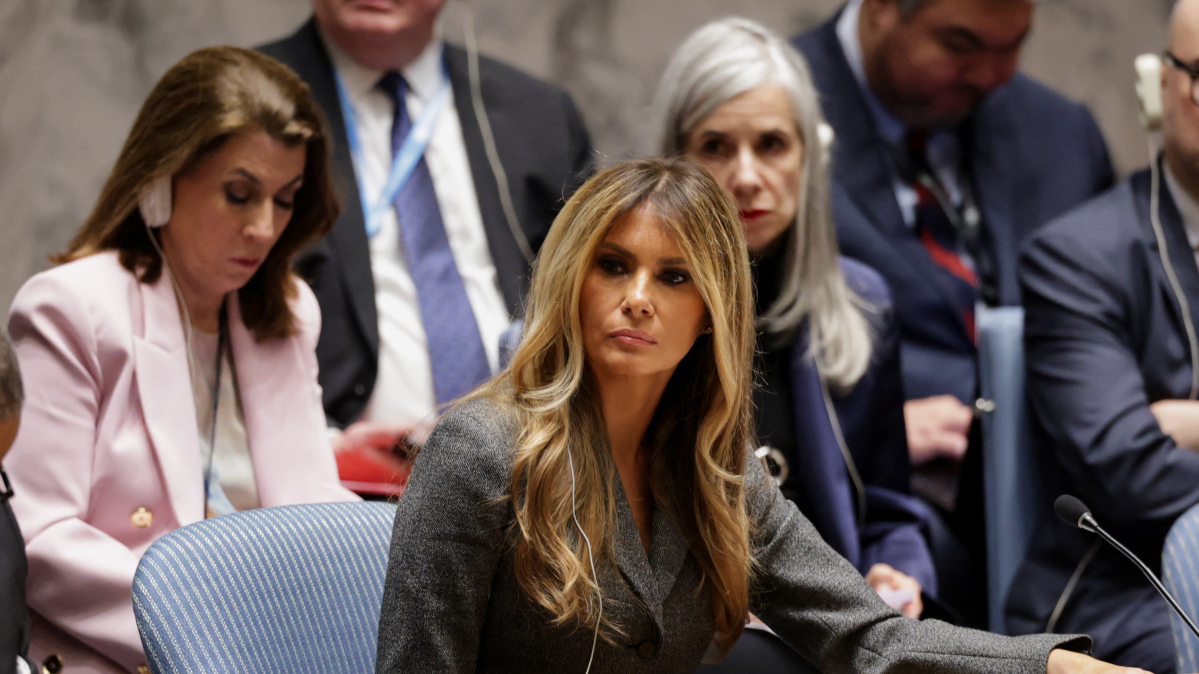
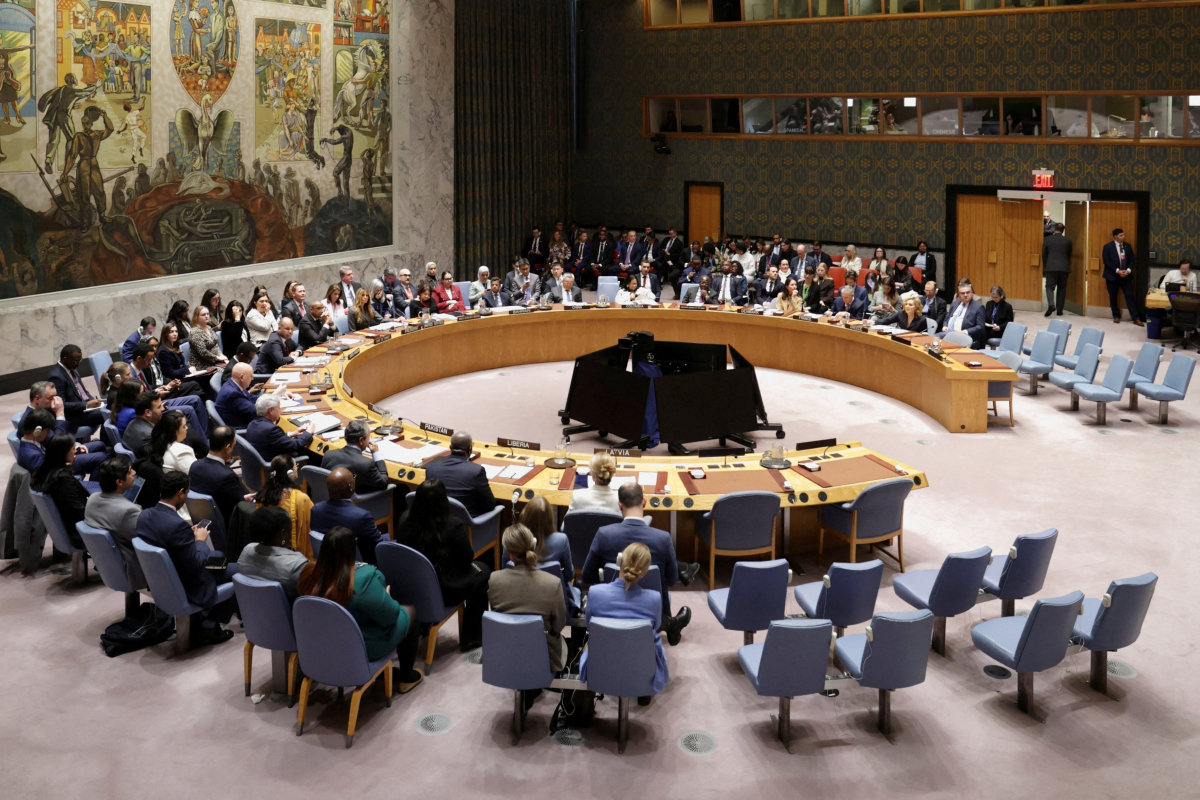
U.S. first lady, Melania Trump chaired a UN Security Council meeting on children and education in conflict on Monday (2 March), a move criticised by Iran as hypocritical following U.S. and Israeli strikes that triggered a UN warning about risks to children.
The session, titled Children, Technology and Education in Conflict, marked the first time the spouse of a serving world leader has presided over the 15-member council, the UN’s most powerful body charged with maintaining international peace and security. The plan for her to chair the meeting was announced last week, before the joint U.S.-Israeli military action began.
According to her office, the U.S. first lady intended to highlight education as a means of promoting tolerance and global peace. Addressing delegates, she said: “The U.S. stands with all of the children throughout the world. I hope soon peace will be yours.”
However, the timing of the meeting drew sharp criticism.
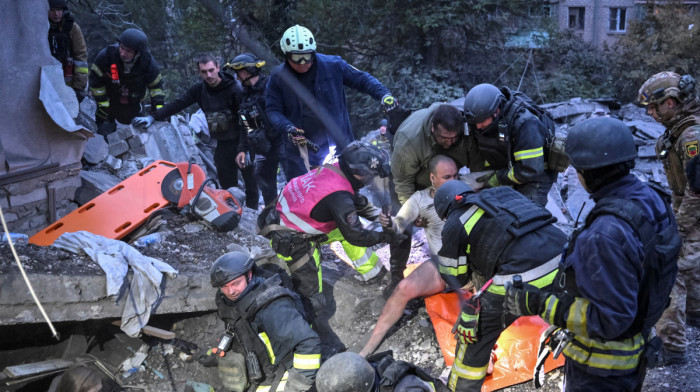
Iran accused the U.S. and Israel of carrying out a strike on a girls’ primary school in the southern town of Minab on Saturday. Iran’s UN envoy, Amir Saeid Iravani, told the council that 165 schoolgirls had been killed in the attack. Reuters was unable to independently verify the claim.
Iravani described it as “deeply shameful and hypocritical” for the U.S. to convene a discussion on protecting children in armed conflict “while at the same time launching missile strikes against Iranian cities and bombing schools and killing children”.
On Saturday, the UN children’s agency, UNICEF, said reports from Iran highlighted how the military escalation in the Middle East “marks a dangerous moment for millions of children in the region”. The agency echoed UN Secretary-General António Guterres’s call for an immediate cessation of hostilities.
U.S. Secretary of State Marco Rubio rejected the allegation that American forces had targeted a school, telling reporters on Monday that “the United States will not deliberately target a school.”
Israel’s UN ambassador said he had seen differing accounts of the incident, including claims that Iran’s Revolutionary Guard Corps may have been responsible for the strike, but added that Israel regretted any civilian loss of life.
Without directly referring to the allegations surrounding Minab, China’s UN ambassador, Fu Cong, noted that attacks on schools are among the grave violations against children identified by the United Nations. He called on the international community to ensure thorough investigations and accountability.
The meeting also underscored longstanding tensions between the Trump administration and the UN. President Donald Trump has repeatedly criticised the 193-member organisation since his first term in office, describing it as ineffective and in need of reform. The U.S. is billions of dollars in arrears on its contributions to the UN budget, with the shortfall having grown substantially during his presidency.
Against that backdrop, critics said the decision for the first lady to chair a high-level session on child protection risked appearing symbolic at best and contradictory at worst, given the unfolding military campaign.














What is your opinion on this topic?
Leave the first comment