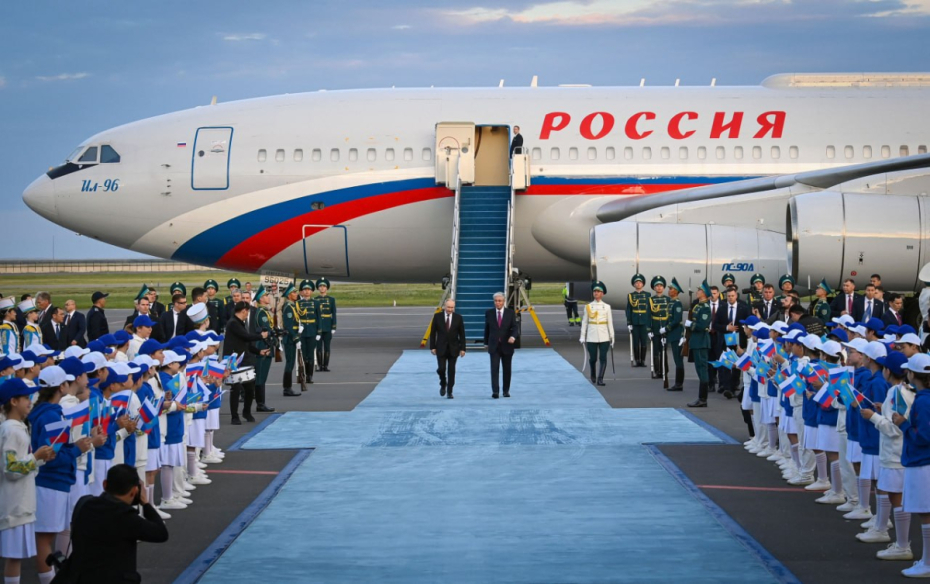
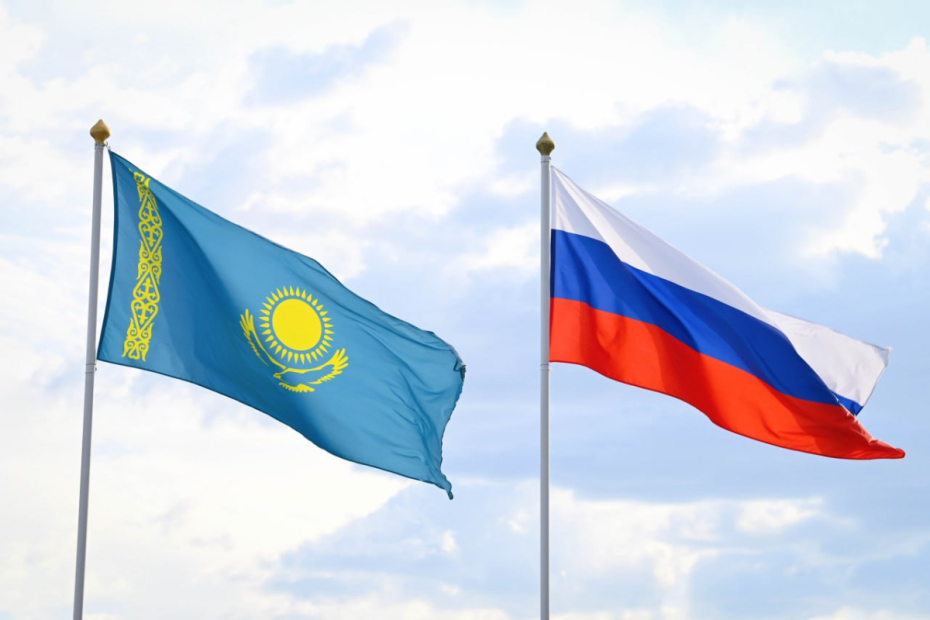
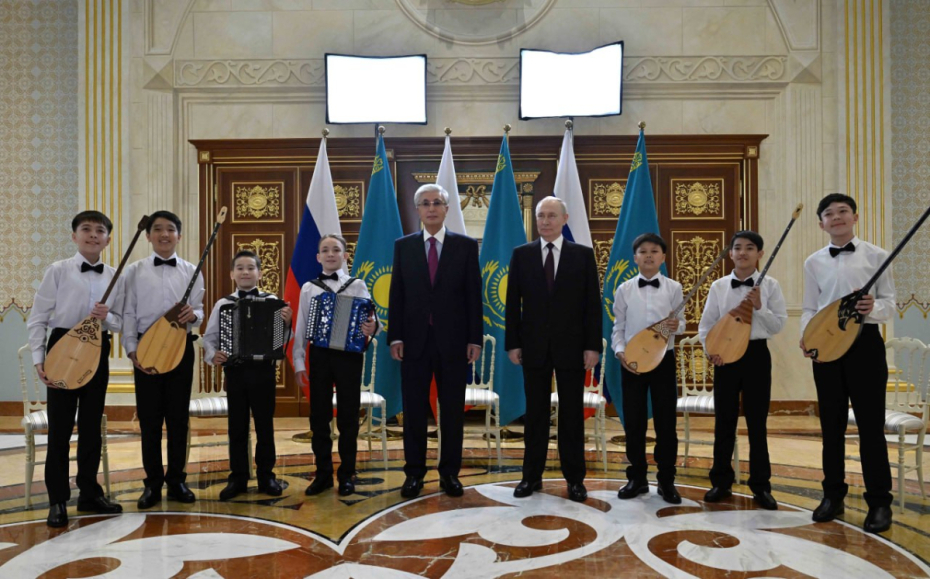
Russian President Vladimir Putin arrived in Kazakhstan on Wednesday for a three-day state visit focused on energy, transport and economic cooperation with one of Moscow’s closest regional partners.
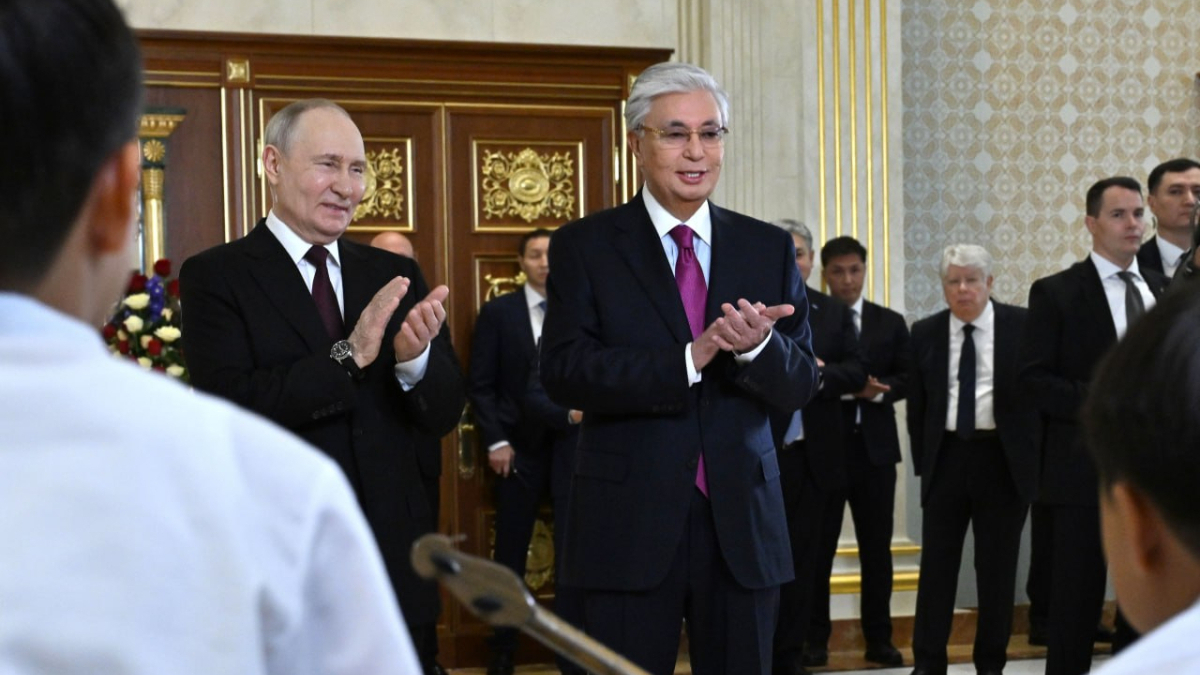
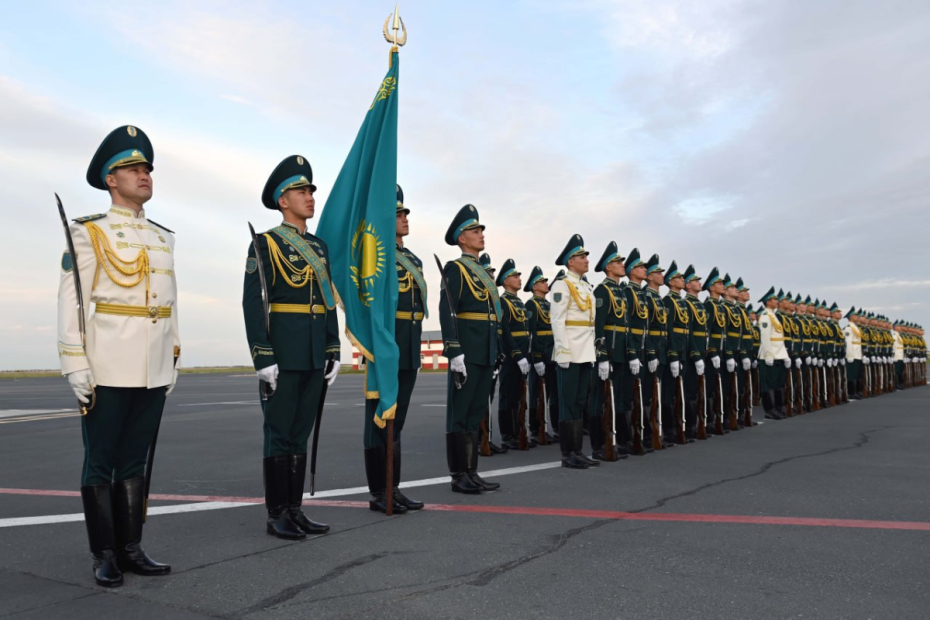
Kazakh President Kassym-Jomart Tokayev personally welcomed Putin at the airport before the two leaders held an informal one-to-one meeting ahead of formal talks.
The diplomatic status of the trip is notable in itself. State visits represent the highest level of bilateral protocol and are typically limited to a single visit to the same country during a president’s term in office. Putin previously travelled to Kazakhstan in the same format in November 2024, making the current trip an unusual second state visit within one presidential term.
The visit, running from 27 to 29 May, comes amid shifting trade patterns and renewed efforts to strengthen regional connectivity across Eurasia. Against that backdrop, the frequency and level of contact suggest Kazakhstan remains one of Russia’s closest strategic partners in Central Asia.
Energy and infrastructure in focus
Formal negotiations are expected to take place on 28 May, when Putin and Tokayev will meet in both narrow and expanded formats. The programme includes presentations on bilateral cooperation, the signing of 16 agreements and joint statements to the media.
The composition of the Russian delegation suggests the negotiations will extend well beyond diplomacy. Accompanying Putin are nine ministers, Central Bank Governor Elvira Nabiullina, the heads of Rosatom, Roscosmos and Russian Railways, as well as senior business representatives. Infrastructure, industrial projects and economic coordination are expected to feature prominently in the discussions.
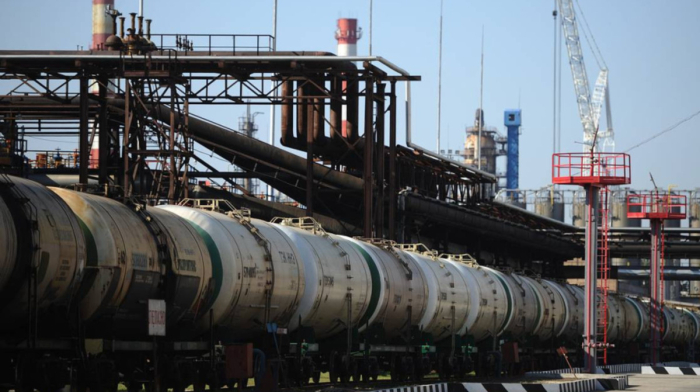
Energy is likely to dominate the talks. According to Kremlin aide Yuri Ushakov, the two presidents are expected to discuss prospects for increasing the transit of Russian oil through Kazakhstan, an issue that has gained greater significance as Moscow seeks alternative export routes. Gas supplies to Uzbekistan via Kazakh territory are also expected to be discussed.
Nuclear project moves forward
Particular attention is expected to focus on Kazakhstan’s first nuclear power plant, one of the most significant projects in bilateral relations. During the visit, the two sides are expected to sign agreements outlining the core parameters of construction and financing through a Russian state export loan.
The project has gradually moved from public debate to implementation. Kazakhstan held a referendum on nuclear power in October 2024, while the country’s Atomic Energy Agency announced in June 2025 that Rosatom would lead the international consortium responsible for construction. Preparatory work began in August 2025, with the plant expected to become operational between 2035 and 2036.
Transport and logistics are also expected to feature prominently in the talks. Analysts point to Russia’s growing focus on the North–South Transport Corridor alongside discussions over regional gas flows.












What is your opinion on this topic?
Leave the first comment