The economic losses from a powerful earthquake that struck Colombia last week are expected to reach 30 trillion pesos ($9.58 billion), Colombia's President Abelardo De La Espriella said on Monday.
"Just imagine the scale of the disaster," De La Espriella said, noting that the figures were likely to change.
"This is a preliminary figure that will be adjusted as we obtain more information and as the damage caused by this earthquake is assessed in each of the regions," he added.
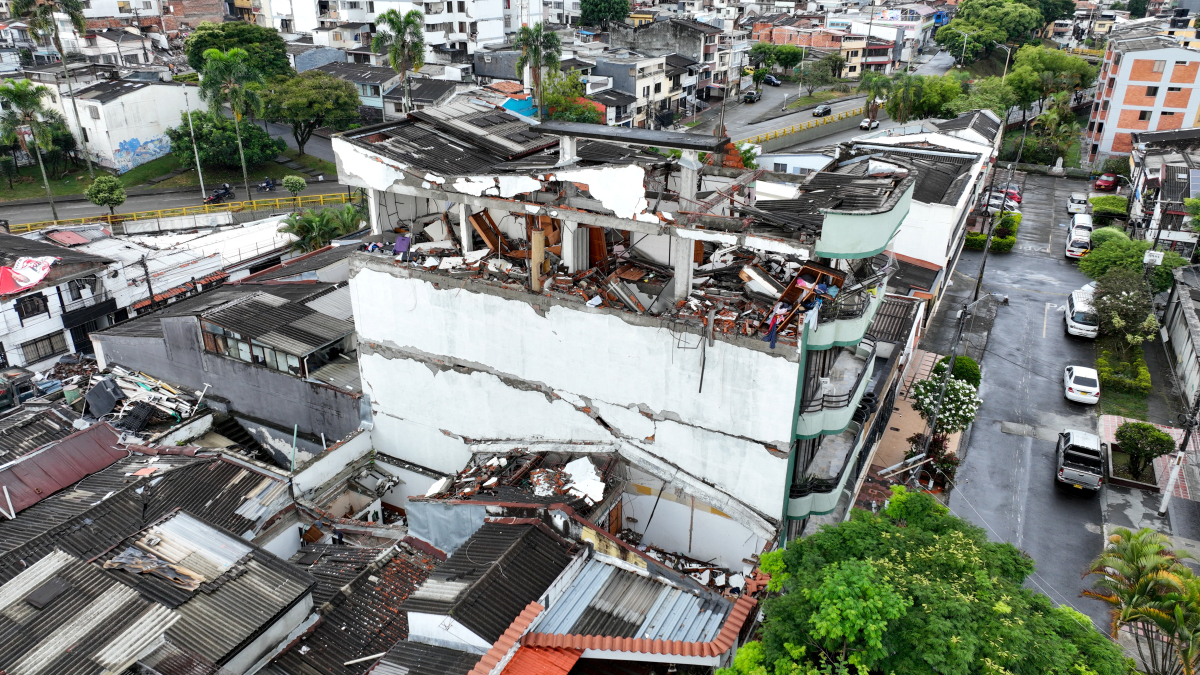
The 7.4-magnitude quake struck Monday morning in San José del Palmar, causing severe damage from the Pacific port of Buenaventura to Colombia's coffee-growing region and major western cities including Cali and Pereira.
Around 290 people have been killed, 140 remain missing and nearly 4,000 have been injured, according to official estimates cited by Reuters. More than two-thirds of the deaths were recorded in Cali and Pereira.
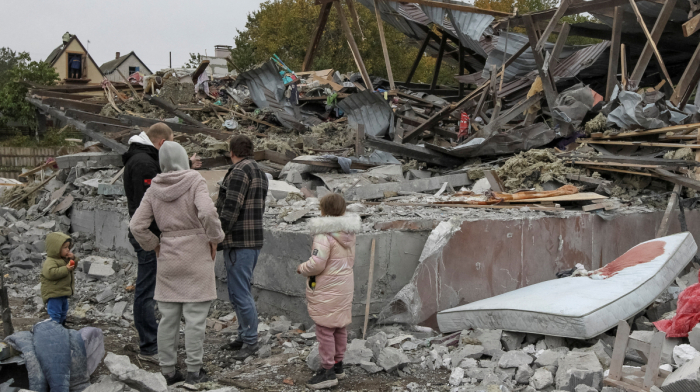
The earthquake struck near San José del Palmar on 10 August, damaging or destroying thousands of homes, as well as schools, hospitals and churches across western Colombia.
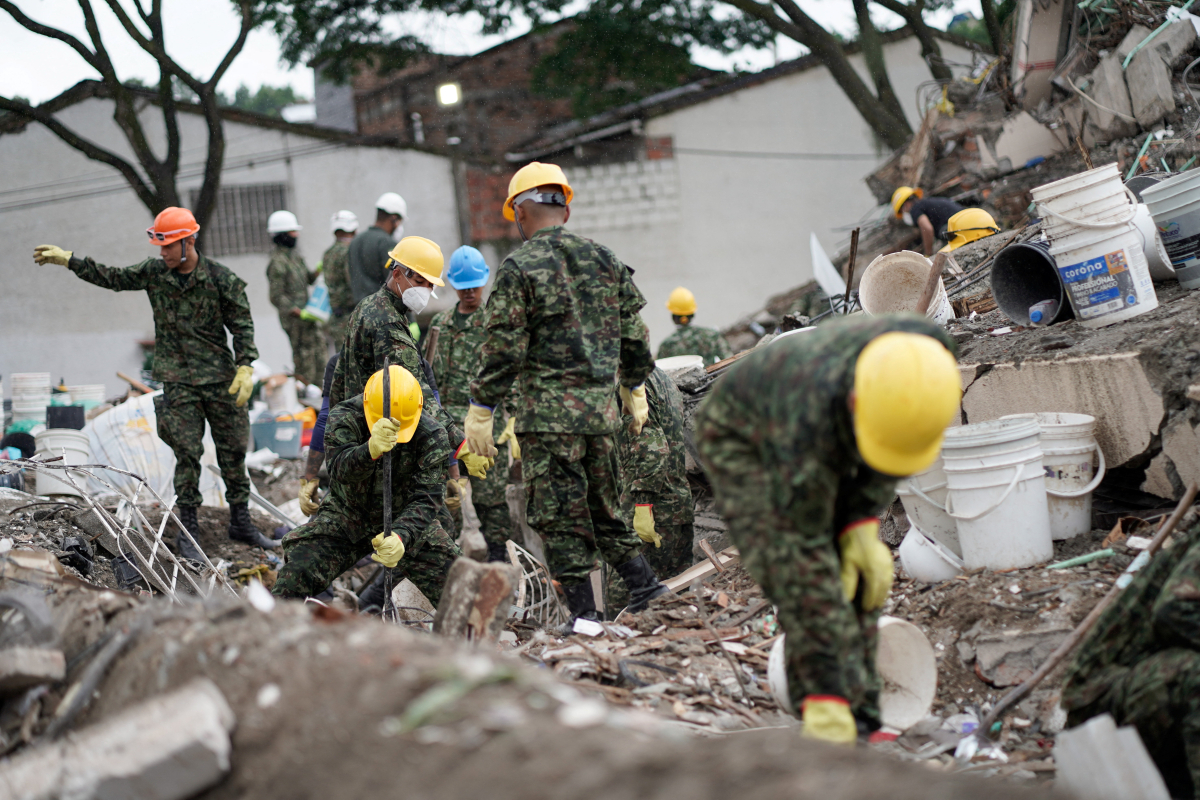
In Cali, rescue workers have increasingly shifted from searching for survivors to recovering bodies.
“Even though the 72-hour mark has passed, we're going to keep working relentlessly and without rest,” Cali Mayor Alejandro Eder said.
Communities confront widespread destruction
Speaking to AnewZ, Colombia-based political scientist David Rosenthal said hopes of finding people alive beneath the rubble had effectively disappeared.
He identified Chocó, Cali and the coffee-growing region - including Pereira, Manizales and Armenia - as among the areas hit by significant damage.
Hundreds of people in Pereira have been sleeping on mats or in tents at makeshift shelters as buildings remain unsafe. Aid coordinators have reported shortages of blankets, tents, hygiene products and food.
Hundreds of aftershocks have added to the danger. Colombia had recorded at least 269 by Saturday, posing further risks to rescue workers and residents.
Reconstruction tests new government
As rescue operations gradually shift towards recovery, focus is turning to the scale of the reconstruction effort.
Rosenthal said restoring destroyed homes and public infrastructure would be a major challenge for Colombia’s new government.
The disaster is the first major crisis facing President Abelardo de la Espriella, who took office just days before the earthquake and will now oversee the emergency response and reconstruction.
Thousands of Colombians have already mobilised to help, with people in Bogotá and Medellín donating food, clothing and medicine to affected communities.
For many people left homeless, however, the immediate priority remains finding safe shelter while authorities assess whether damaged buildings are safe to live in.
Read more













What is your opinion on this topic?
Leave the first comment