Colombia's President Abelardo De La Espriella has pledged to establish an emergency fund to rebuild infrastructure damaged by Monday's 7.4-magnitude earthquake. Rescuers, meanwhile, are racing to find survivors as search operations enter a critical phase.
The death toll has reached 265, with 496 people officially reported missing, according to figures cited by Reuters.
The earthquake struck at 07:34 local time on 10 August and was felt across major cities including Cali, Pereira, Manizales and Quibdó.
"This is undoubtedly a tragedy of immense proportions," De La Espriella said in a national address. "Our efforts are focused on those who remain missing."
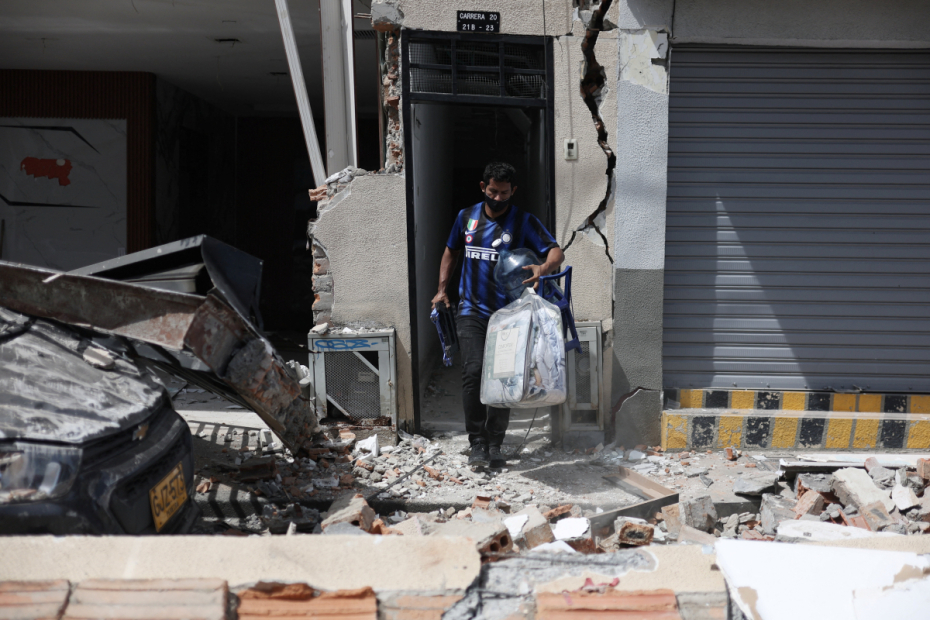
The quake injured around 3,770 people and damaged or destroyed thousands of homes across 12 departments. Colombia's Geological Service has recorded more than 100 aftershocks, with Chocó remaining under the highest emergency alert.
Rescue teams race to find survivors
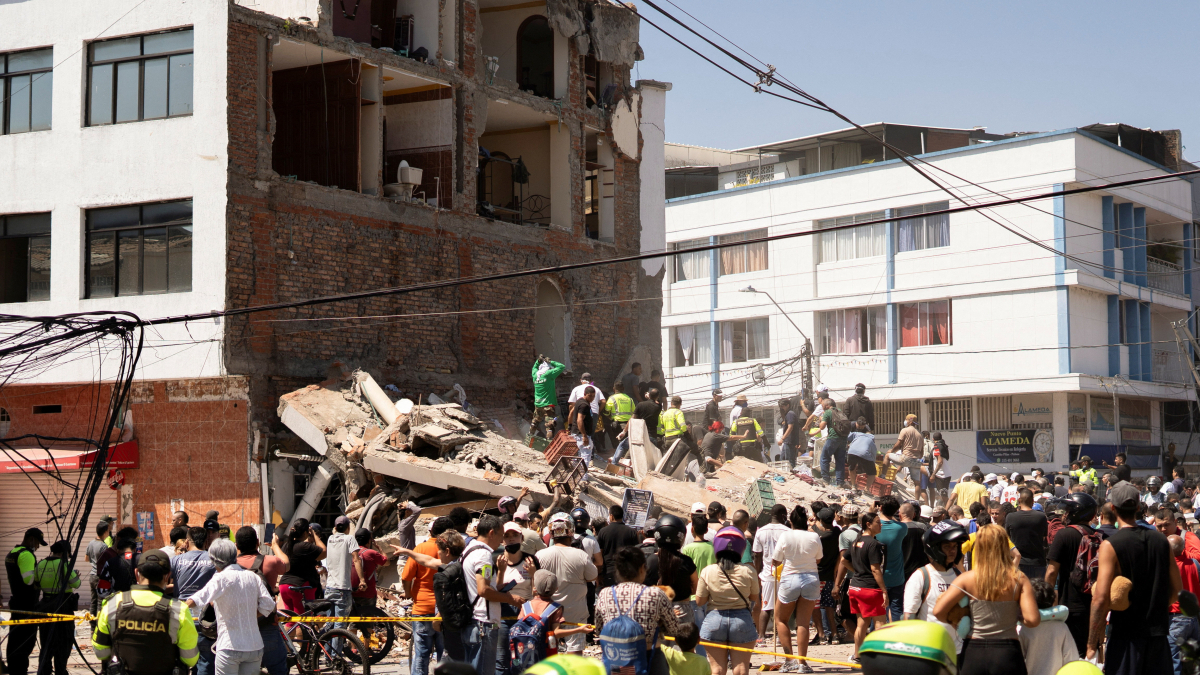
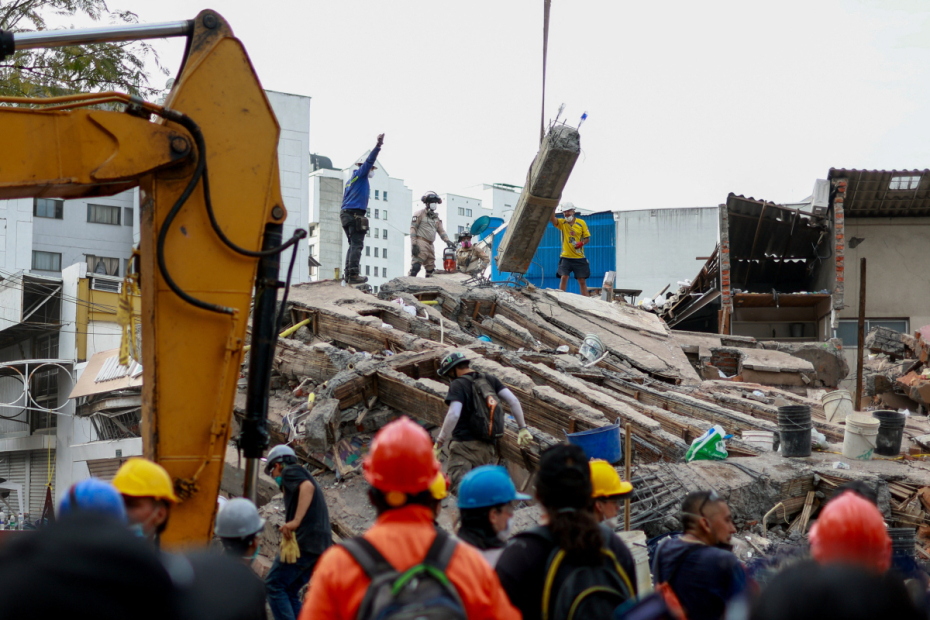
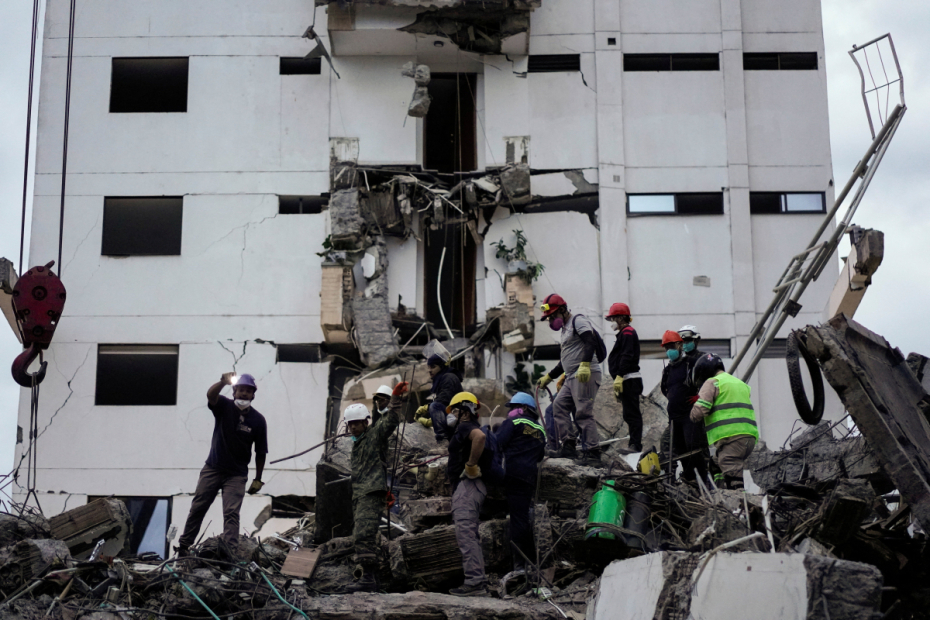
Search-and-rescue operations remain focused on buildings where people may still be trapped, particularly in Cali and Pereira.
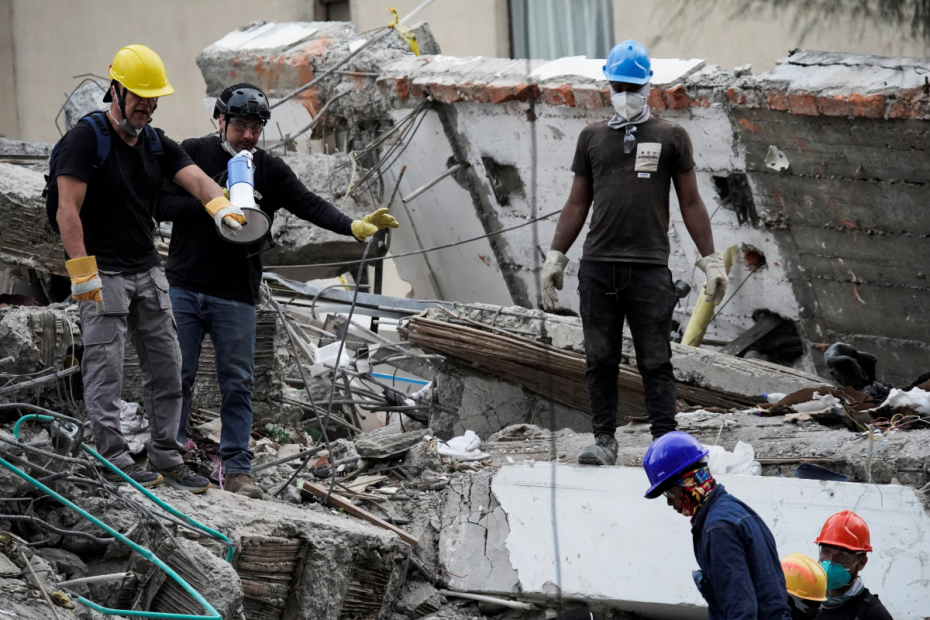
Crews are using cranes, excavators, search dogs, sensors and human chains to clear rubble, while repeatedly calling for silence to detect signs of life beneath collapsed structures.
Several survivors have already been rescued. In Cali, firefighters pulled 35-year-old Carlos Esteban Rebolledo alive from the debris early on 11 August. Later that day, rescuers freed 31-year-old Diana Troncoso after a complex operation involving search dogs, structural shoring and debris removal.
Cali Mayor Alejandro Eder warned that rescuers were "racing against time" as the critical 72-hour period following the earthquake began to run out.
Families wait for news
The earthquake has left families across the affected regions waiting for information about missing relatives.
Santiago Lloreda, 31, told that the earthquake killed his mother and his 13-month-old daughter, Salma.
"My daughter was a dream made reality," he said. "My mother was the pillar of our family, she took care of everyone and always made you laugh."
Another relative, who identified himself only as Ricardo, travelled from Miami to recover his sister's body and praised the efforts of doctors and neighbours.
President faces first major test
De La Espriella, who was inaugurated just three days before the earthquake, declared an economic emergency to address the damage but did not immediately provide details of the measures.
The disaster is seen as the first major test of his presidency. He campaigned on reducing public spending and had proposed cuts to Colombia's state risk-management system, which is now at the centre of the emergency response.
International assistance arrives
The European Union has pledged €2 million ($2.3 million) for communities in the worst-hit areas and activated its Copernicus satellite emergency service to support damage assessments and rescue operations.
The U.S. has committed $15.5 million in emergency assistance focused on shelter, food and protection, while a U.S. Disaster Assistance Response Team is being deployed to help coordinate relief efforts.
El Salvador is sending two cargo aircraft carrying a combined 100 tonnes of humanitarian supplies. Mexico has offered 255 search-and-rescue specialists, along with medical personnel, supplies and equipment, if Colombia formally requests their deployment.
The UN World Food Programme has about 4,500 tonnes of food positioned near the affected areas, while the UN has identified shelter, healthcare, food security and protection as urgent needs.
Damaged roads hamper relief
Access to some of the hardest-hit communities remains a major obstacle. Landslides have blocked roads and disrupted communications, with some areas near the epicentre reporting shortages of water and electricity.
The earthquake has caused widespread damage to homes, health facilities, schools, roads and airports, adding pressure on the new government as rescue operations continue and authorities begin assessing the scale of reconstruction required.










What is your opinion on this topic?
Leave the first comment