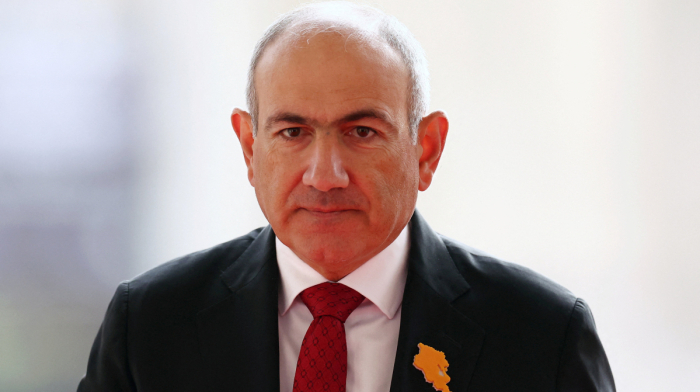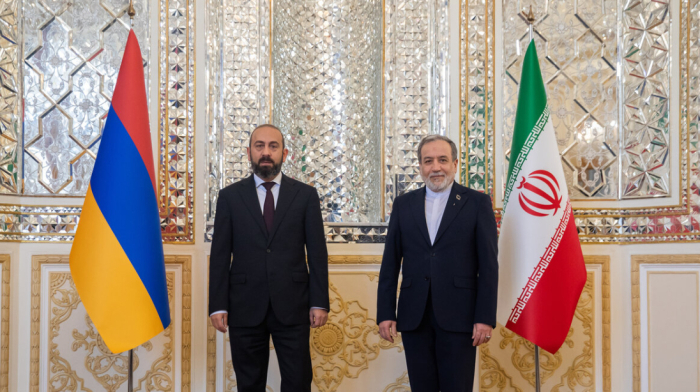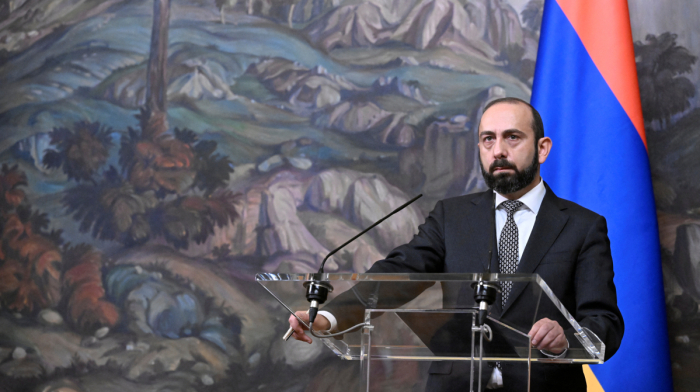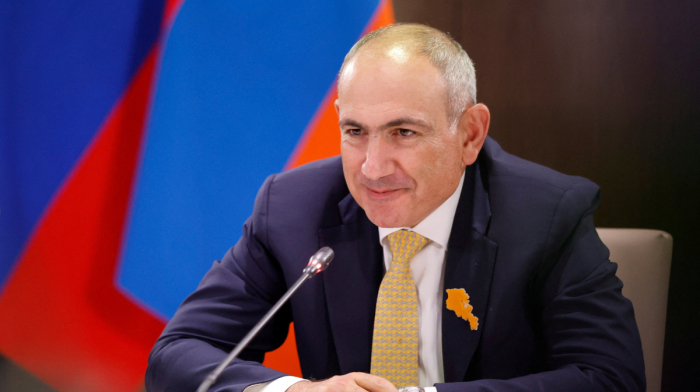
AnewZ takes to the streets of Yerevan after Armenia’s election
Following Armenia’s parliamentary vote, AnewZ spoke to people in Yerevan about the mood in the capital, relations with Azerbaijan and the country’s future.
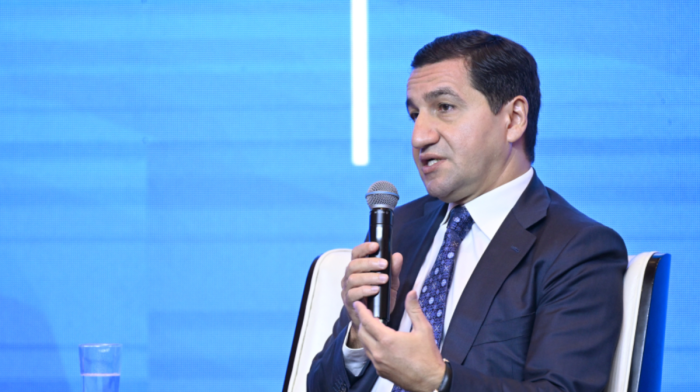
In an historic milestone for South Caucasus diplomacy, Hikmat Hajiyev, Assistant to the President of the Republic of Azerbaijan, conducted his first working visit to Armenia on 14 June for a high-level meeting with Armen Grigoryan, Secretary of the Security Council of the Republic of Armenia.
The Trans-Caspian East-West International Transport Corridor, commonly known as the Middle Corridor, is a multimodal trade route linking China and the European Union via Central Asia, the Caspian Sea, the Caucasus and Türkiye.
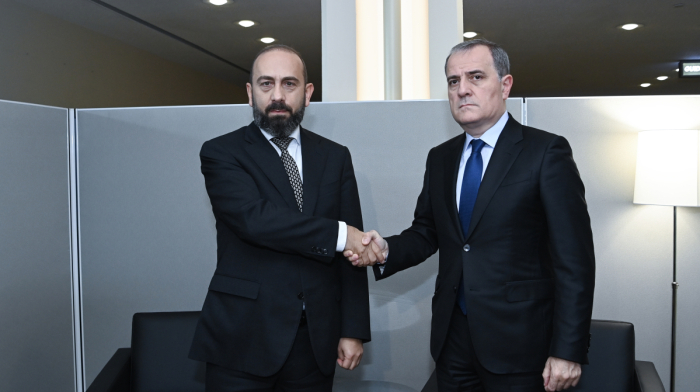
Senior officials from Azerbaijan and Armenia held a working meeting in Dilijan, Armenia, on 14 June to discuss issues related to the peace agenda between the two countries.
Domestic economic conditions are playing a growing role in shaping the outlook for Azerbaijan, Armenia, Kazakhstan and Uzbekistan, according to global financial services group ING.
Azerbaijan dispatched 17 railway wagons carrying 984 tonnes of diesel fuel to Armenia on Thursday, marking the latest shipment in growing trade between the two countries.
Türkiye welcomed Armenia's parliamentary election result on Monday, urging Yerevan to take "bolder steps" towards regional peace and diplomatic normalisation.
Armenia’s parliamentary election has strengthened Prime Minister Nikol Pashinyan’s mandate, with analysts linking the result to his post-Garabagh agenda and pro-Western direction. However, constitutional constraints remain a key obstacle to peace efforts with Azerbaijan.
Armenian Prime Minister Nikol Pashinyan's Civil Contract party has won the Armenian elections, picking up nearly half the vote. With a majority in parliament, Pashinyan is set for a third term as Prime Minister. But an opposition politican has said he will challenge the election results.
The results of Armenia’s parliamentary elections will determine the makeup of the National Assembly and shape the country's political direction for the foreseeable future. But in Armenia, the final result is not decided by vote percentages alone. Here's how it works.
Counting is underway in Armenia's elections. The results of the vote are set to determine the political direction of the country of three million people for the next few years. Prime Minister Nikol Pashinyan is hoping to fend off challenges from several pro-Russia candidates to secure a third term.
For about three decades after the Soviet collapse, Armenia anchored its foreign and security policy to Moscow.
Start your day informed with the AnewZ Morning Brief. Here are the top stories for the 7 June, covering the latest developments you need to know.
After the dissolution of the Soviet Union in 1991, newly independent Armenia emerged with the promise of democracy. But in the years that followed, conflicts and political assassinations sidetracked politics in the country, until a 2018 revolution restored momentum to the promise.
Armenian authorities arrested six candidates from the pro-Russian Strong Armenia bloc on Saturday, one day before voters were due to take part in parliamentary elections.
Armenians will vote on Sunday in a parliamentary election that will determine whether Prime Minister Nikol Pashinyan secures a new mandate to pursue peace with Azerbaijan or cedes ground to pro-Russian rivals.
The new AnewZ documentary, TARGET: Yerevan, builds its explosive case on exclusive, secret recordings originally published by Minval Politika.
Armenia’s National Assembly election on 7 June is increasingly being viewed not only as a domestic political contest, but also as a vote that could shape the future direction of the South Caucasus.
The Trump Route for International Peace and Prosperity (TRIPP), the ambitious multimodal transit corridor designed to connect mainland Azerbaijan with its Nakhchivan exclave through southern Armenia, has moved rapidly from political declaration to practical implementation.
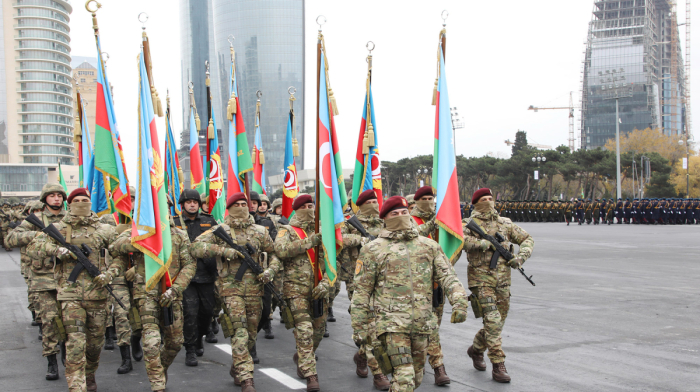
Armenia’s military parade on 28 May 2026 carried significance beyond military affairs. It was not only a display of newly acquired hardware. It also raised important questions about the peace process taking shape in the South Caucasus.
Armenia will hold parliamentary elections on 7 June 2026, a vote that will shape the country’s political direction for the next five years. Understanding how the electoral system converts votes into parliamentary power is key to following the outcome and its wider regional implications.
Armenia is set to receive a support package worth more than €50 million ($58.2 million) from the European Union (EU) after Russia, its largest trading partner, imposed restrictions on a range of Armenian exports.
As Armenia heads toward parliamentary elections on 7 June, the country's relationship with Azerbaijan is emerging as one of the defining issues of the campaign, with analysts and international observers highlighting the role of regional politics in shaping voters’ mindsets.
Russia wants Armenian Prime Minister Nikol Pashinyan to lose the upcoming election due to his increasing engagement with Washington, U.S. Secretary of State Marco Rubio has said.
You can download the AnewZ application from Play Store and the App Store.