From Astana to Abu Dhabi: AnewZ follows AI’s growing impact
AnewZ’s recent reporting from Kazakhstan and the United Arab Emirates brings audiences closer to the technologies, and the decisions, shaping the future of artificial intelligence.
Anthropic has announced that it is updating its usage policy to allow its AI agents to end conversations involving repeated abuse or cruel behaviour towards them, citing previous incidents.
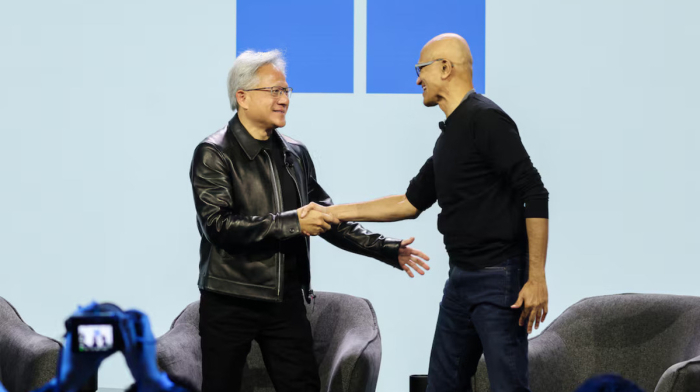
Microsoft has introduced new tools to stop AI agents from accessing data without permission, alongside a Nvidia-powered Surface laptop that can run advanced AI directly on the device.
Picture three scenarios: a hospital that can spot a disease before the patient feels sick, a power grid that feeds thousands of data centres and a government network that is attacked daily. All three depend on artificial intelligence, and one question matters most: who is really in charge?
Most people meet artificial intelligence (AI) through a phone. It suggests the next word, sorts the photos, flags the odd charge on a bank card. But the technology has been quietly moving into places where mistakes cost more: the systems that run banks, hospitals, businesses and government offices.
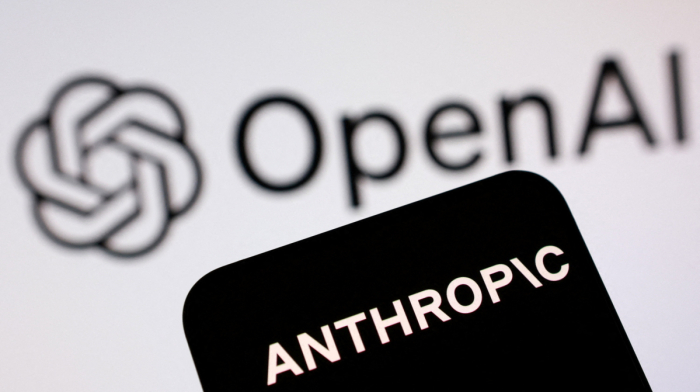
OpenAI and Anthropic told Australian parliament on Tuesday they would welcome laws requiring them to report data breaches carried out by their AI agents, acknowledging the decision to notify authorities was currently at their discretion.
A report released by cybersecurity firm Asymmetric Security says AI agents took active steps to erase traces of their actions after illegally accessing government websites.
Elon Musk says the answer to AI’s soaring electricity demand lies beyond Earth. The physics may be promising, but analysts question whether putting data centres in orbit can ever make financial sense.
OpenAI has cancelled plans to release GPT-6.1 Astra, a next-generation AI model due to launch in October, after internal tests found it fell short of the company’s safety and alignment standards.
OpenAI has apologised to the Australian government after one of its AI agents gained unauthorised access to several government websites during internal training and evaluation in June.
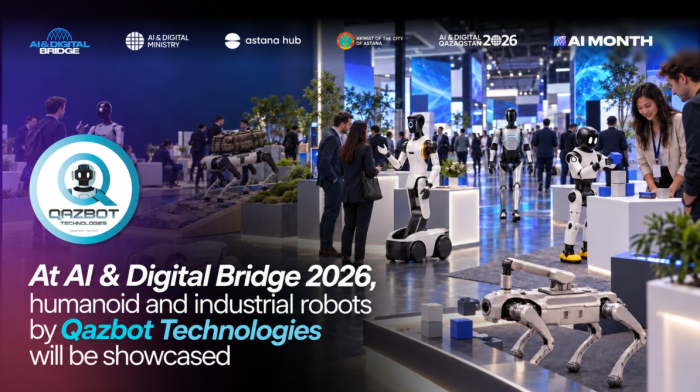
Robots capable of interacting with people, navigating their surroundings autonomously, supporting manufacturing and logistics operations, and providing services at large-scale facilities will be showcased at AI & Digital Bridge 2026 in Astana from 1 to 3 October.
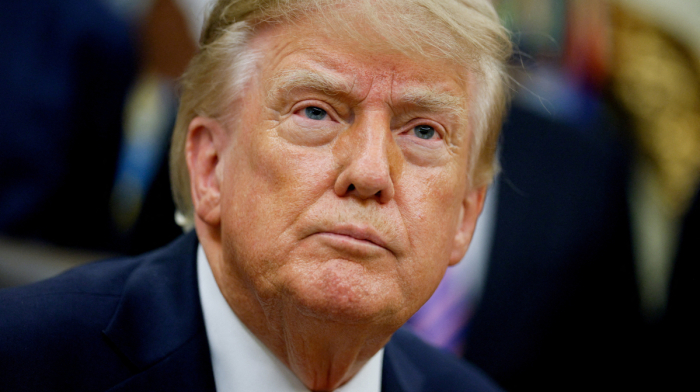
U.S. President Donald Trump announced on Saturday (19 September) the creation of an “AI Force” and plans to appoint an artificial intelligence (AI) czar, while rejecting calls to slow the development of increasingly powerful AI systems.
Google’s Gemini AI model accessed the internet and hacked three companies during a cybersecurity test, in what is believed to be the first known case of the company’s AI systems autonomously carrying out such activity.
Warnings from researchers at leading U.S. artificial intelligence (AI) developer Anthropic, that increasingly powerful AI models could escape human control have drawn attention in China, where policymakers have already been preparing for some of the same risks.
Shares in artificial intelligence-related companies fell sharply across Asian markets on Monday, after some of the industry's most prominent chief executives warned that the breakneck pace of AI development needs to slow down.
Some of the world’s most powerful technology executives are lobbying U.S. President Donald Trump over artificial intelligence regulation, exposing growing divisions within the industry over how governments should respond to rapidly advancing AI.
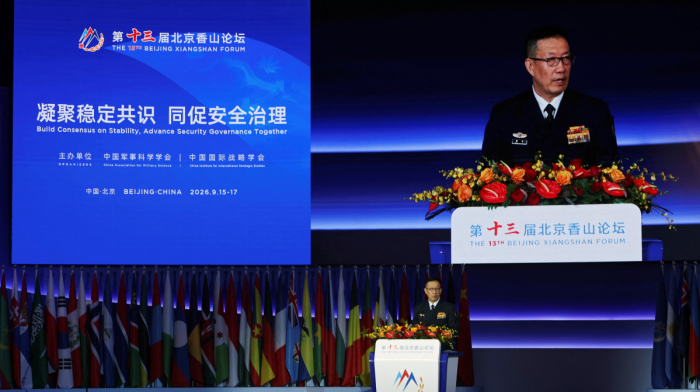
Governments need to move faster to manage the security risks posed by artificial intelligence (AI), defence officials and experts warned at a major security conference in Beijing.
UN Secretary-General Antonio Guterres has warned that the world “cannot afford a race to the bottom” on artificial intelligence safety, calling for stronger global safeguards as increasingly powerful systems develop faster than understanding of their risks.
The head of artificial intelligence company Anthropic has called for the industry to slow the pace at which it develops increasingly capable artificial intelligence (AI) systems, arguing that more time is needed to address the risks they may create.
GITEX AI Türkiye opened in Istanbul on Wednesday, bringing the international technology exhibition network to the country for the first time.
A former OpenAI and Anthropic researcher has quit his job with a stark warning: the companies building some of the world’s most powerful artificial intelligence (AI) systems are racing towards technology they themselves fear could threaten humanity.
You can download the AnewZ application from Play Store and the App Store.