Talks at the United Nations (UN) on weapons that can operate with little or no human oversight ended in Geneva on Saturday (21 November) with a commitment to draw up new rules by 2028.
Around 100 countries had pushed for binding rules within a short timeframe, but major arms producers including the U.S., Russia and Israel opposed the position.
The meeting brought together the 128 states party to the Convention on Certain Conventional Weapons (CCW), a UN international humanitarian law treaty that restricts or bans weapons considered to cause unnecessary or unjustifiable suffering.
The U.S. favours non-binding guidelines over a treaty, while Russia blocked the agenda on the opening day of talks.
Diplomats said the talks ran past 04:00 local time as negotiators argued over a handful of words. Russian objections to procedural rules forced some formal sessions to be cancelled.
UN Secretary-General António Guterres opened the meeting on Monday (16 November) with a video message urging countries to take action to prevent the use and spread of what he called “merciless” weapons.
The talks followed over a decade of preparatory work. A group of governmental experts has met under UN auspices in Geneva since 2014.
Reaction from others
The meeting's Swiss chair, Julien Thoeni, called the result a significant achievement for humanitarian disarmament, saying it showed multilateral diplomacy could still deliver in a divided world.
However, a diplomat from a country backing the new laws described it as “disappointing,” while accepting it “could have been much worse.”
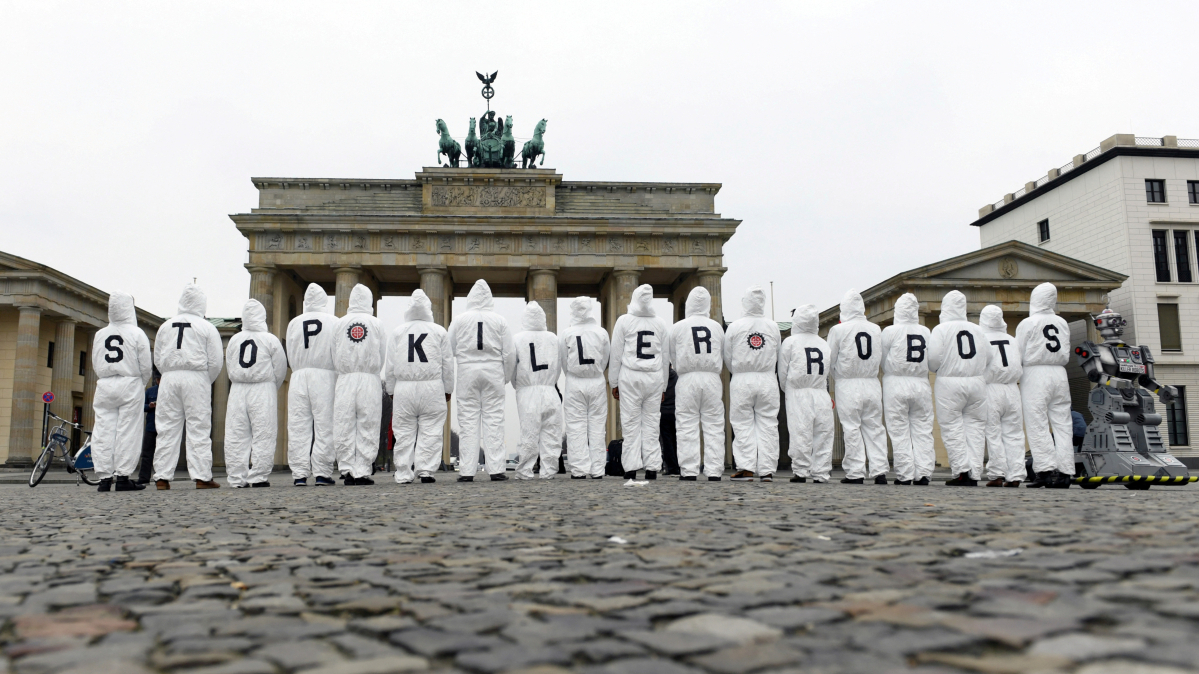
Nicole van Rooijen, Executive Director of Stop Killer Robots, warned that delaying a legally binding instrument put civilians and humanity at risk.
Alarm has grown over the use of lethal autonomous weapons in conflicts including Ukraine, Sudan and the Middle East. The UN Secretary-General, the Pope and the Red Cross have all called for strong, legally binding rules.
What comes next?
The CCW works by consensus, so any single state can block progress. Some observers and former military officials have said countries should consider a separate process outside the UN framework.
The CCW's review conference meets only once every five years, so this week's outcome could shape the debate for some time
Read more about conflict:








What is your opinion on this topic?
Leave the first comment