Yemen has plunged back into full-scale war after nearly four years of uneasy calm. Since fighting resumed in July 2026, Houthi forces have seized key territory, Saudi air strikes have returned and millions of civilians face a deepening humanitarian crisis.
The Houthis have captured Yemen's southern Red Sea coast and pushed towards Aden, the government's stronghold, while Saudi Arabia has resumed bombing Houthi targets. The Sana’a Center for Strategic Studies, a Yemeni think tank, describes the new phase as “a fundamental dispute over the existence of the state itself”.
How did the war begin?
The conflict's roots stretch back to the Arab Spring protests of 2011. Ali Abdullah Saleh had ruled North Yemen since 1978 and the unified country since 1990. Facing mounting pressure at home and abroad, he stepped down in 2012 in exchange for immunity.
His deputy, Abd Rabbu Mansour Hadi, took over as interim president under a transition agreement brokered by the Gulf Cooperation Council.
A UN-sponsored National Dialogue Conference brought together 565 delegates in 2013 to draft a new constitution. But according to the Council on Foreign Relations, a U.S. think tank, the talks failed to resolve fundamental disagreements over power-sharing.
In 2014, the Houthis seized the capital, Sanaa, demanding lower fuel prices and a new government. They took control of the presidential palace in January 2015, prompting Hadi's government to resign. Hadi later fled, first to Aden and then into exile in Saudi Arabia.
Who are the Houthis?
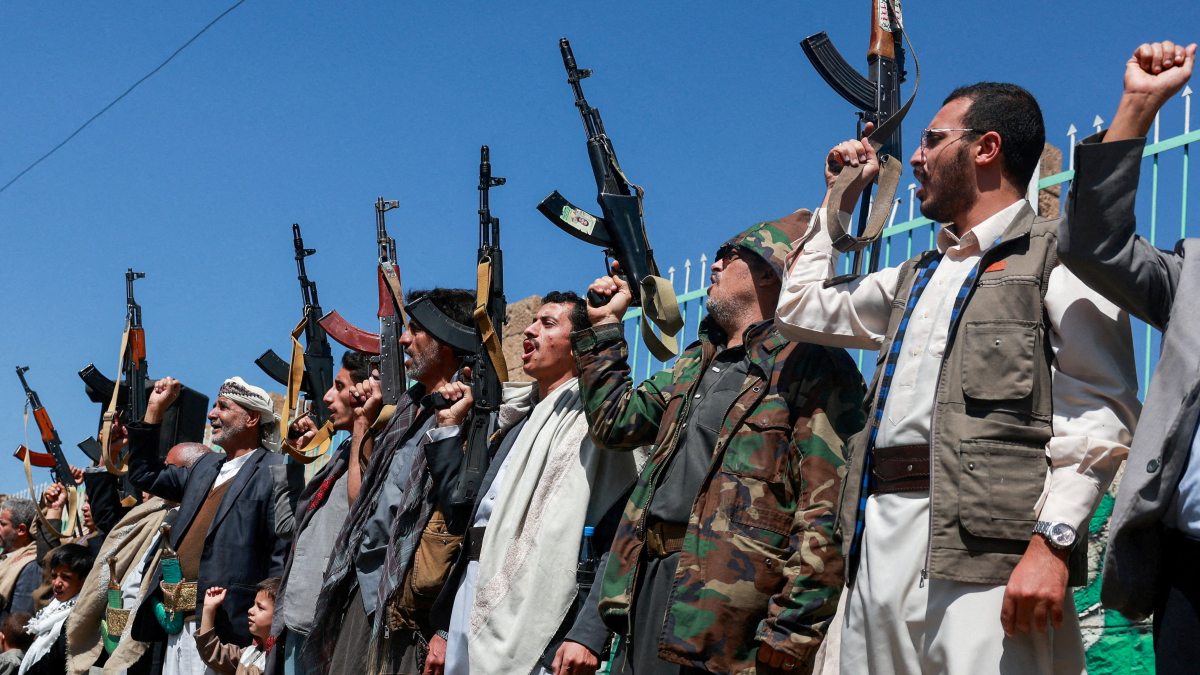
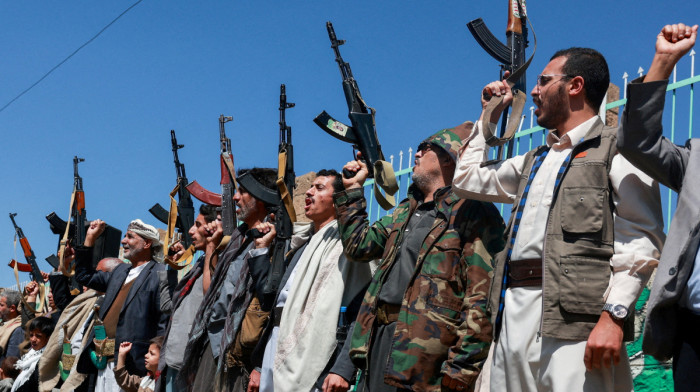
The Houthi movement, officially known as Ansar Allah, emerged in the late 1980s as a religious and cultural revival movement among Zaydi Shia Muslims in northern Yemen, a minority in a predominantly Sunni country.
Between 2004 and 2010, the group launched six uprisings against Saleh's government.
Iran is the Houthis' main international backer and has reportedly supplied weapons to the group. However, the Council on Foreign Relations notes that experts believe Tehran's influence is limited, partly because Iranians and Houthis follow different schools of Shia Islam.
Saleh later allied himself with the Houthis but turned against them in December 2017. He was killed within two days of the split.
Why did Saudi Arabia intervene?
In March 2015, a Saudi-led coalition launched air strikes against the Houthis, backed by U.S. intelligence and logistical support. Riyadh viewed Houthi control of Yemen as a threat on its southern border and a strategic victory for its regional rival, Iran.
The United Arab Emirates deployed about 10,000 ground troops, mostly in southern Yemen.
According to the Yemen Data Project, cited by the Council on Foreign Relations, the coalition carried out more than 25,000 air strikes. The Global Centre for the Responsibility to Protect estimates that those strikes caused more than 19,000 civilian casualties.
Who controls the south?
The forces opposed to the Houthis have long been divided.
The Southern Transitional Council (STC), a UAE-backed separatist movement formed in 2017, seized control of several areas, including Aden.
A Saudi-brokered agreement brought the STC into the government in 2019. Three years later, in April 2022, Hadi transferred power to an eight-member Presidential Leadership Council led by Rashad al-Alimi.
In late December 2025, the STC expanded its control across eight southern governorates. According to the Stimson Center, a U.S. think tank, Saudi Arabia responded with air strikes on Mukalla. The STC's leader, Aidarous al-Zubaidi, was subsequently charged with treason and fled to Abu Dhabi.
In January 2026, an STC delegation in Riyadh announced the group's dissolution. But supporters challenged the decision, with thousands taking to the streets across southern Yemen, according to the Stimson Center.
The Sana’a Center reports that the UAE withdrew from Yemen in early 2026, leaving Saudi Arabia as the sole backer of pro-government forces.
Why did fighting restart in 2026?
A UN-brokered truce in April 2022 brought a significant reduction in violence. Although the agreement formally expired that October, both sides largely avoided a major escalation for almost four years.
That fragile calm collapsed in July 2026.
According to the Sana’a Center, a flight from Tehran arrived in Sanaa on 3 July, marking the first Iranian flight to Yemen in a decade. The airport runway was subsequently bombed.
The Houthis responded by firing missiles at Saudi Arabia's Abha Airport, prompting Riyadh to resume air strikes for the first time since early 2022.
The Sana’a Center links the renewed fighting to the wider U.S.–Israel war with Iran, which has disrupted shipping through the Strait of Hormuz.
It says the Houthis feared being excluded from U.S.–Iran negotiations, while Saudi Arabia had redirected its oil exports towards the Red Sea to bypass the strait.
What is happening on the battlefield?
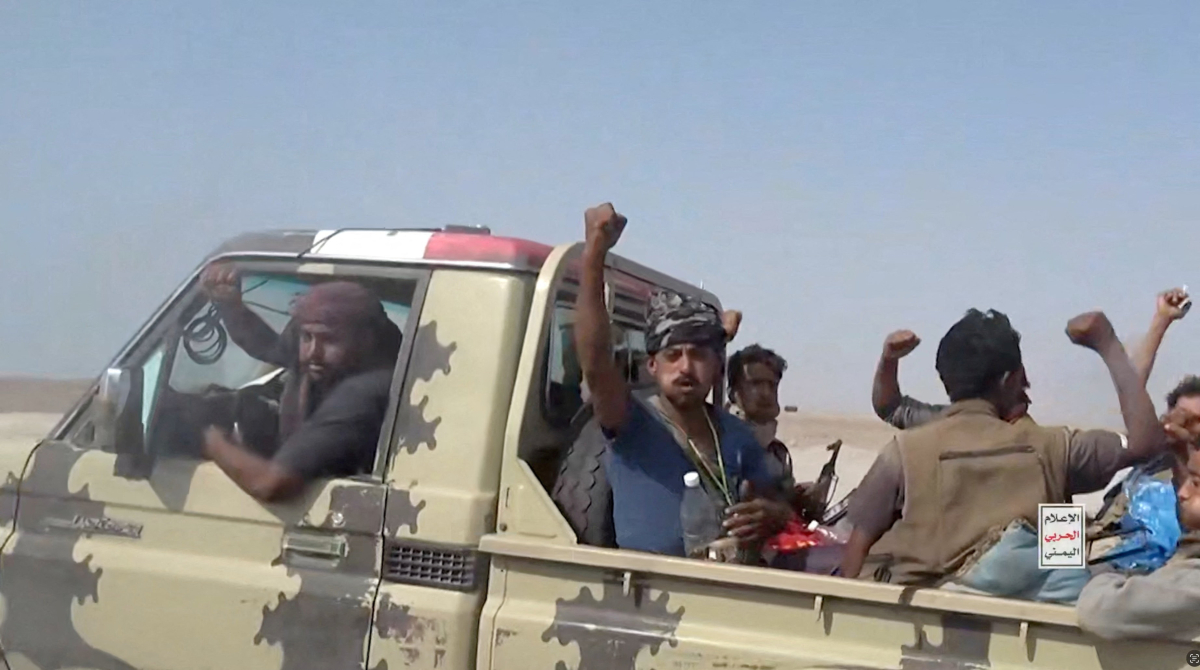
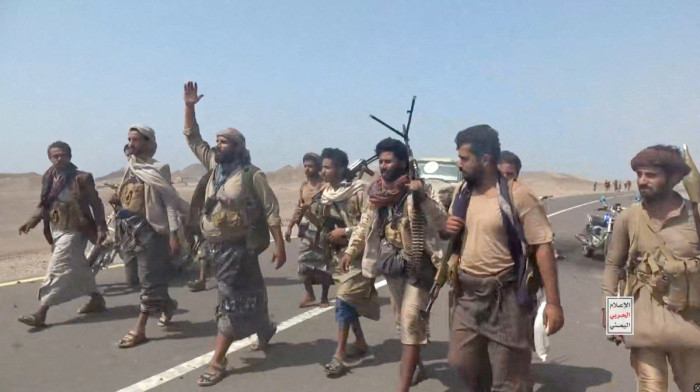
In early September, the Houthis advanced rapidly along Yemen's Red Sea coast, capturing the strategic port of Mocha.
Chatham House says the capture significantly strengthened their leverage over the Bab el-Mandeb Strait, a vital shipping route through which around 12 per cent of global trade passes, according to the Sana’a Center.
Chatham House describes the Houthi strategy as “controlled escalation”, designed to increase pressure without triggering a military response powerful enough to reverse their territorial gains.
On 4 October, al-Alimi launched a counteroffensive known as Operation Dawn of Yemen. But government forces have failed to recapture Mocha.
Meanwhile, the Houthis have encircled Taiz and, by mid-November, advanced to within 60 kilometres of Aden. On 16 November, Saudi Arabia replaced the commander of its joint forces in Yemen.
The Houthis have also launched missile and drone attacks against Saudi airports, oil installations and the capital, Riyadh.
On 19 November, a Houthi strike damaged a tower in Riyadh's financial district. The Saudi-led coalition retaliated with what reports described as some of the heaviest air strikes since the war began.
What does it mean for civilians?
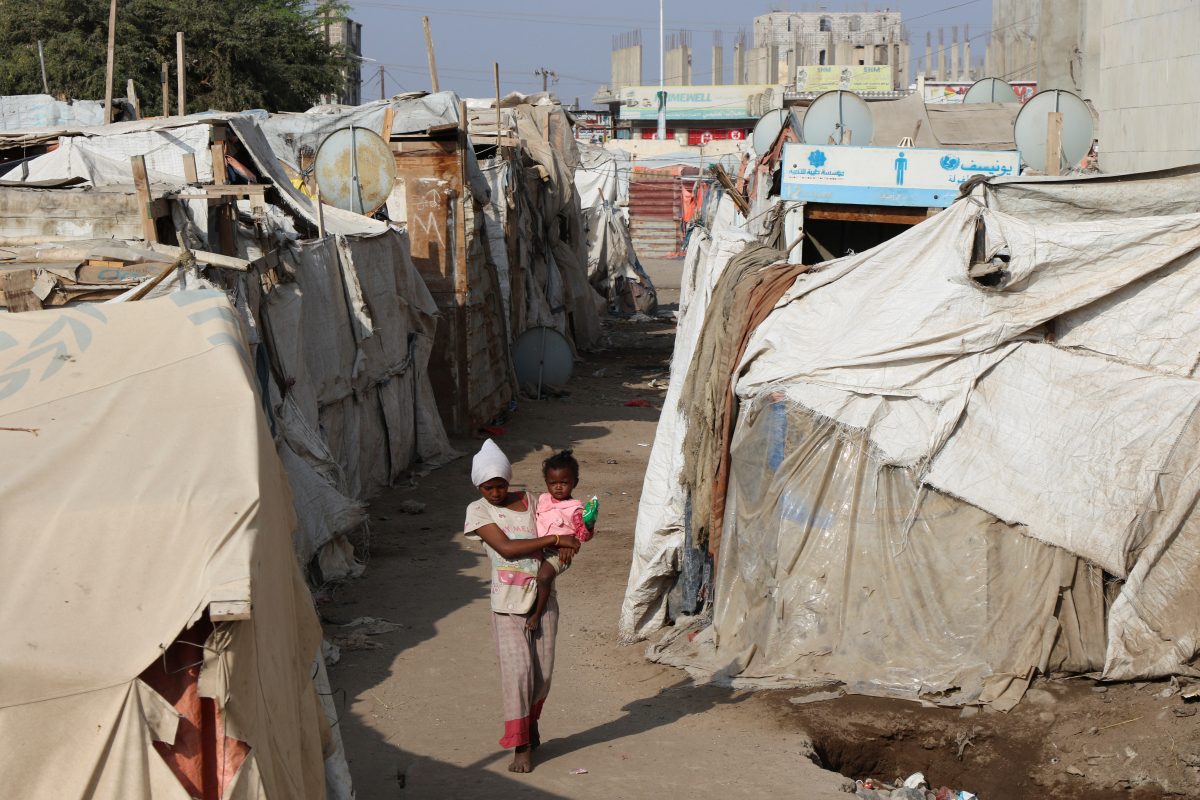
The UN says 22.3 million people in Yemen need humanitarian assistance in 2026. It says 18.3 million face acute food insecurity and 5.2 million are internally displaced. UN figures cited by the Sana’a Center show at least 213,000 more people displaced since the September offensive.
Can the war end?
With neither side appearing close to a decisive victory, prospects for a lasting peace remain uncertain.
Osamah Al-Rawhani of the Sana’a Center says retaking Sanaa “may seem like a long shot at present”.
He also questions Saudi Arabia's ability to sustain a prolonged military campaign, warning that its “track record does not inspire confidence that it has the stamina to carry a long war”.
His colleague Maysaa Shuja Al-Deen argues that neither side has presented a model of government acceptable to most Yemenis.
For civilians caught in the conflict, the consequences remain severe. As Al-Deen writes, “the crushing weight of the war remains firmly on the shoulders of ordinary Yemenis”.
Read more:










What is your opinion on this topic?
Leave the first comment