The United Nations' highest court has ruled that Myanmar committed genocide against its Rohingya Muslim minority during a 2017 military crackdown that forced hundreds of thousands to flee their homes.
In its judgment on Thursday, 19 November, the International Court of Justice (ICJ) found that Myanmar's security forces carried out killings, inflicted serious harm and committed acts intended to destroy a substantial part of the Rohingya population.
The landmark ruling establishes Myanmar's responsibility under international law and requires the country to provide reparations. Yet more than 1.3 million Rohingya remain displaced across South and Southeast Asia, as fighting continues in Myanmar's Rakhine State.
Who are the Rohingya and why did they flee Myanmar?
The Rohingya are a predominantly Muslim ethnic minority from Myanmar's western Rakhine State, which bordersBangladesh.
Despite living in the country for generations, most have been denied citizenship under Myanmar's 1982 nationality law. Authorities have historically classified them as illegal migrants from Bangladesh, leaving many stateless.
The largest exodus began in August 2017, after Rohingya militants attacked approximately 30 police posts and an army base. Myanmar's military responded with a sweeping operation across northern Rakhine State.
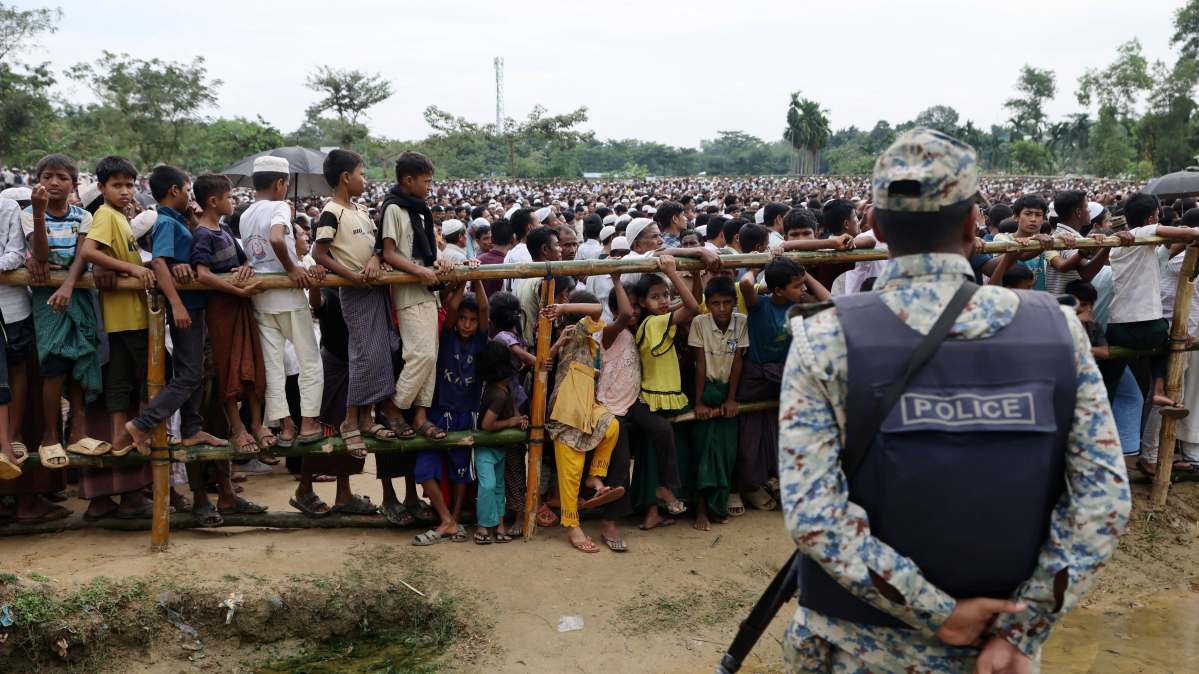
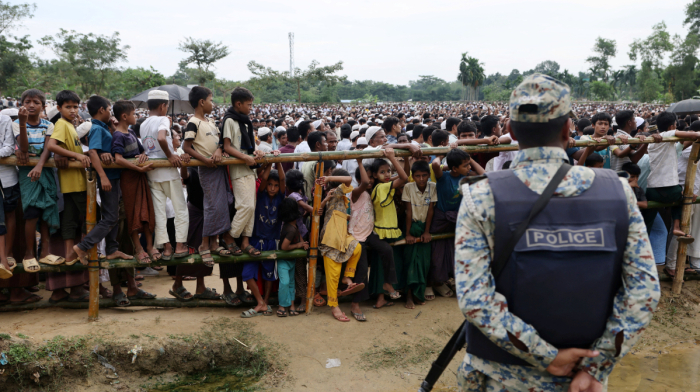
Survivors described mass killings, sexual violence, torture and the destruction of villages. Human rights organisations documented widespread abuses, while satellite imagery showed hundreds of settlements had been burned.
More than 730,000 Rohingya fled to Bangladesh within months. Myanmar defended the operation as a response to insurgent attacks and rejected accusations of genocide.
How did the case reach the International Court of Justice?
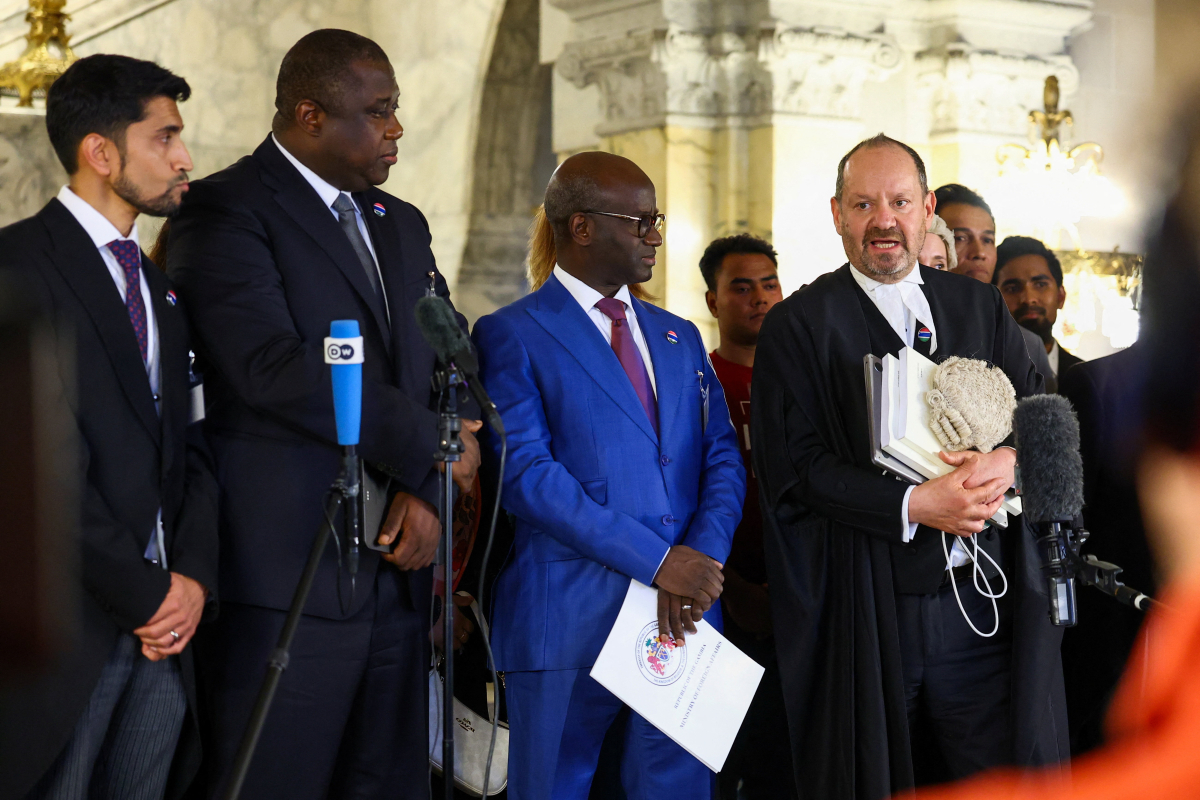
In November 2019, The Gambia brought a case against Myanmar at the ICJ, alleging violations of the 1948 Genocide Convention. The application was supported by the 57-member Organisation of Islamic Cooperation.
The Gambia argued that Myanmar had violated its obligations to prevent and punish genocide through its military operations against the Rohingya.
During preliminary hearings, Myanmar's then**-**civilian leader Aung San Suu Kyi rejected the allegations as incomplete and misleading.
In January 2020, the court ordered Myanmar to protect the Rohingya, prevent further genocidal acts and preserve evidence. Almost seven years later, on 19 November 2026, the ICJ issued its final judgment.
What exactly did the ICJ decide?
In a 9-6 decision, the ICJ ruled that Myanmar committed genocide against the Rohingya during the 2017 military operations. The court found that Myanmar had breached several obligations under the Genocide Convention, including its duties to prevent and punish genocide.
It also concluded that Myanmar had failed to adequately preserve evidence, breaching part of the court's 2020 provisional measures.
The judges ordered Myanmar to investigate and prosecute those responsible where appropriate, prevent further violations and provide guarantees against similar atrocities.
The ruling also requires reparations, including measures to allow displaced Rohingya to return voluntarily and safely. Compensation arrangements will be determined in subsequent proceedings. Myanmar must submit a report within two years outlining its progress on restitution and compensation.
Unlike the International Criminal Court, which prosecutes individuals, the ICJ determines state responsibility. Its judgments are binding, but it cannot imprison military commanders or directly enforce compliance.
How has Myanmar responded?
Myanmar's government rejected the ruling on Friday, 20 November, expressing disappointment and questioning the evidence considered by the court.
The Foreign Ministry pointed to the 9-6 vote and dissenting opinions that challenged the assessment of evidence and genocidal intent.
Myanmar maintained that its operations were counter-terrorism measures following attacks by Rohingya insurgents. It said it would study the judgment and continue humanitarian assistance and repatriation efforts when security conditions allowed.
The Gambia welcomed the decision and called for its implementation. UN Secretary-General António Guterres also hailed the judgment as an important step towards accountability.
What is happening in Rakhine State today?
Myanmar's military seized power in February 2021, overthrowing Aung San Suu Kyi's elected government and triggering a civil war. By late October 2026, more than four million people had been internally displaced across Myanmar, according to UN estimates.
In Rakhine State, fighting between the military junta and the Arakan Army, an ethnic Rakhine armed group, escalated in November 2023. Rohingya communities have since endured further displacement, restrictions on movement and violence.
In May 2024, large parts of the Rohingya settlement of Buthidaung were burned during fighting. Reuters investigations documented attacks on civilians and allegations of abuses by the Arakan Army.
Continued clashes and restrictions on humanitarian access have left communities across the state facing worsening insecurity.
Why are more than a million Rohingya still displaced?
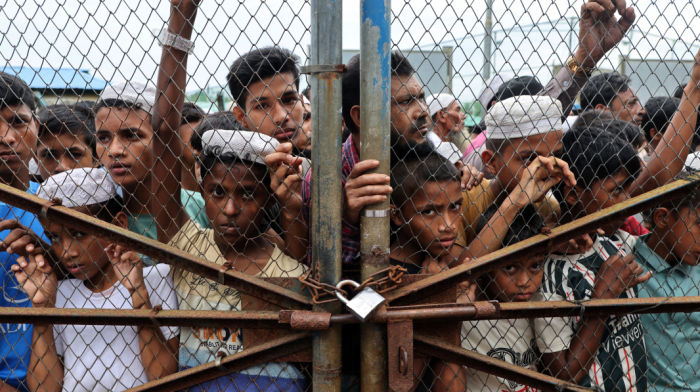
Bangladesh hosts one of the world's largest refugee populations, with Rohingya families accounting for a significant share.
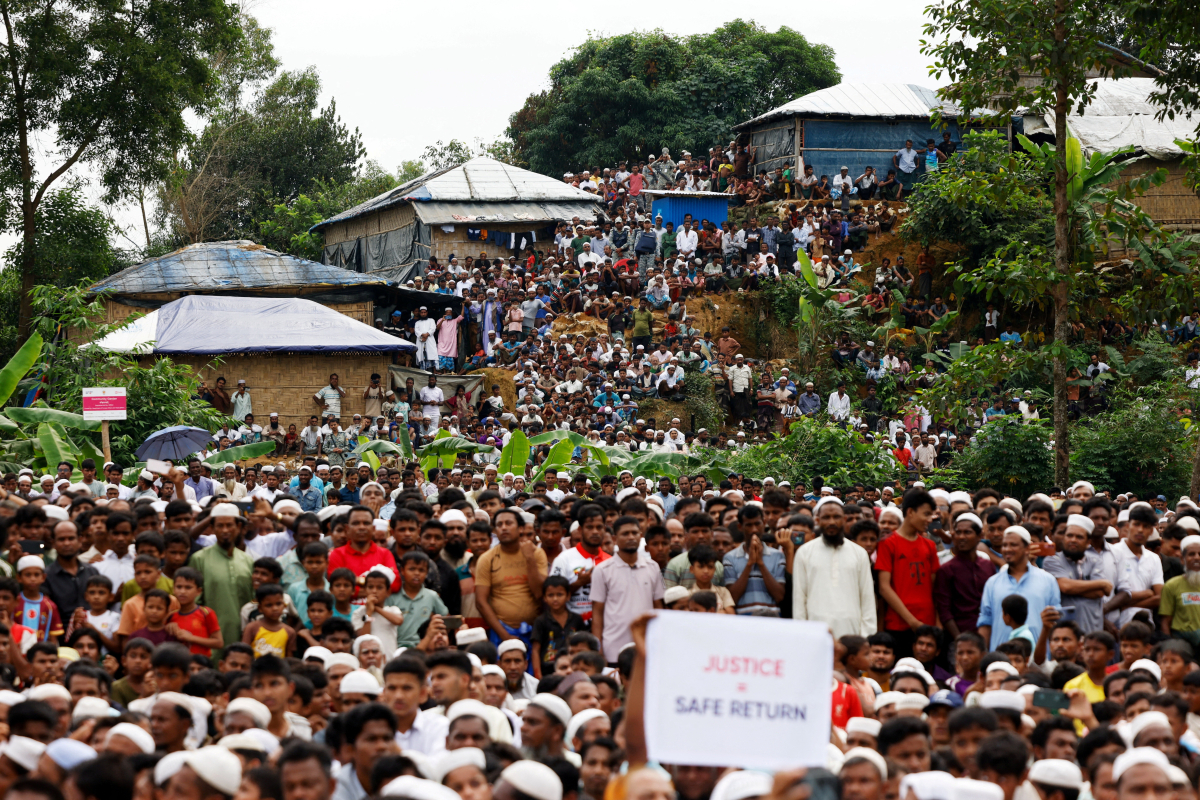
According to UNHCR figures from October 2026, approximately 1.21 million Rohingya refugees were registered in Bangladesh, including around 1.17 million in Cox's Bazar. Many live in overcrowded camps with limited access to employment, education and basic services.
Humanitarian organisations provide food, healthcare and shelter, but funding shortages are threatening essential assistance programmes.
Thousands of others have sought safety in Malaysia, India, Indonesia and neighbouring countries. Some attempt dangerous sea journeys, risking trafficking, exploitation and drowning.
Why can't the Rohingya return to Myanmar?
Continued fighting in Rakhine State remains the main obstacle to safe and voluntary repatriation.
Citizenship is another major concern. Many refugees say they will not return without legal recognition, freedom of movement and guarantees against renewed persecution.
In August 2026, Myanmar said it had verified approximately 308,797 refugees in Bangladesh as former residents of Rakhine State. However, authorities said repatriation would begin only when security improved. Previous attempts to organise returns in 2018 and 2019 failed.
The ICJ's ruling requires Myanmar to facilitate safe and dignified returns but provides no direct mechanism to ensure they take place.
What happens next after the ICJ ruling?
The judgment places Myanmar under binding legal obligations to investigate suspected perpetrators, prevent further atrocities and provide reparations. Compensation arrangements will be considered in subsequent proceedings, and the country must report on its progress within two years.
However, the ICJ has limited enforcement powers. Failure to comply can be raised before the UN Security Council, where further action depends on agreement among member states.
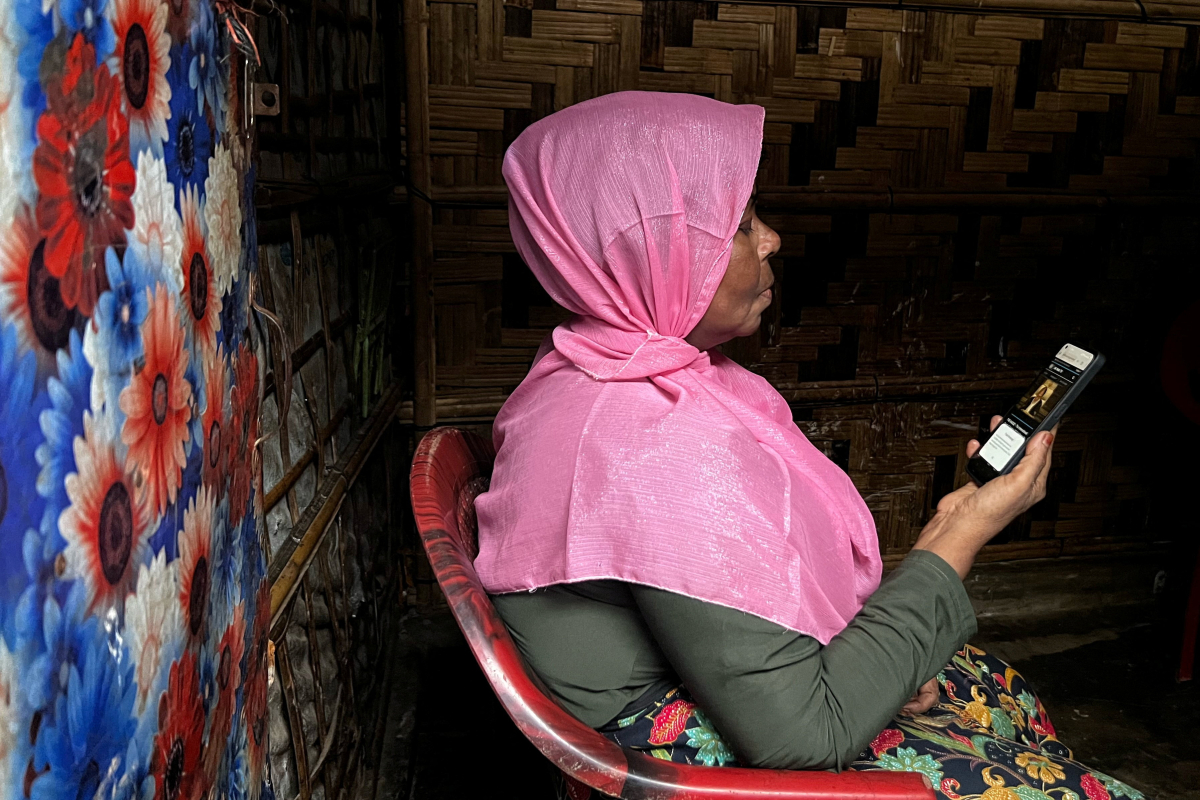
Human rights organisations have called for greater international pressure, including targeted sanctions and accountability measures. For Rohingya refugees, the ruling marks a significant step towards legal recognition and justice after years of displacement and persecution.
But whether that translates into prosecutions, compensation or a safe return home will depend on Myanmar's willingness to comply and the international community's ability to hold it accountable.
Read more:









What is your opinion on this topic?
Leave the first comment