Saudi Arabia is preparing for up to six more months of fighting against Yemen’s Houthis, potentially extending the conflict into spring 2027, Reuters reported, as the kingdom struggles to secure gains on the ground.
The report cited unnamed sources, while a Saudi Foreign Ministry official declined to comment. Recent battlefield developments, however, suggest Riyadh is preparing for a prolonged campaign.
A Yemeni war inside a regional one
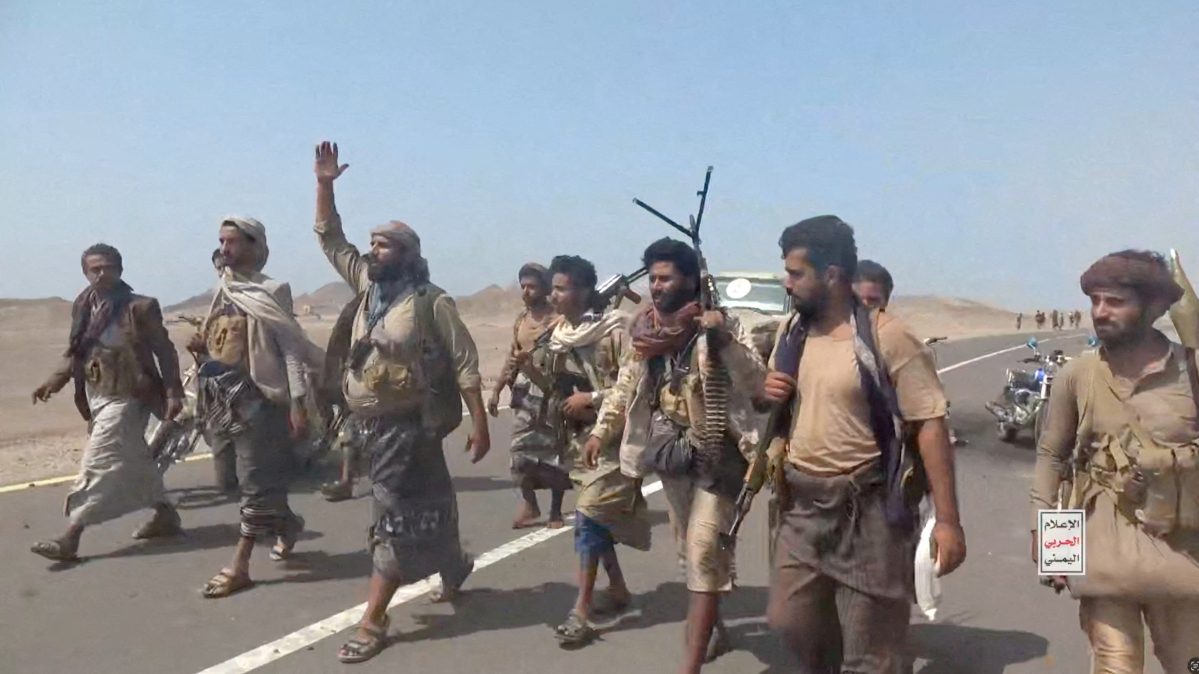
The fighting has become a major front in the wider conflict involving Iran, with the Houthis providing Tehran with leverage over Gulf states. Iran denies arming the group, although reports have documented substantial military support.
Riyadh wants Yemen’s internationally recognised government to regain territory before entering negotiations, fearing an early ceasefire would cement Houthi control of strategic Red Sea routes.
The Bab el-Mandeb Strait, a vital passage for global shipping, remains central to the conflict.
Houthi advances put pressure on Saudi-backed forces
A ceasefire agreed in 2022 collapsed this summer. The Houthis seized the Red Sea coast and Bab el-Mandeb in September, before government forces recovered territory around the strait last month. Those troops withdrew over the weekend to defend Aden, Yemen’s temporary capital.
The Institute for the Study of War reported on Tuesday that Houthi forces had advanced near Jabal Khabub and Khour Umairah, around 100 kilometres west of Aden.
The advances highlight a persistent weakness in Saudi Arabia’s campaign: air strikes have failed to deliver lasting gains without government forces holding captured territory.
With Taiz encircled, the Houthis are positioned to exploit weakened defensive lines west of Aden.
Saudi Arabia reshuffles military command
Riyadh appointed General Fayyad al-Ruwaili, a veteran air force officer who received part of his training in the U.S., to lead the Joint Forces overseeing operations in Yemen on Monday.
The reshuffle comes as Saudi-backed forces regroup to defend Aden and potentially shift their offensive eastwards, where they have made gains or maintained their positions. Changes to Yemen’s military leadership are also expected.
The move suggests Riyadh intends to continue relying heavily on air power despite setbacks on the ground.
Air strikes and missile attacks intensify
The Saudi-led coalition launched another wave of air strikes on Houthi-held areas on Wednesday. The Houthi-run Health Ministry reported at least 17 deaths, including 15 people killed at a sponge factory in Hodeida, according to spokesman Anees al-Asbahi.
On Thursday, the coalition reported intercepting drones and cruise missiles targeting Riyadh and southern areas. Saudi air defences reportedly shot down two cruise missiles over the capital, while alerts sounded in three southern cities.
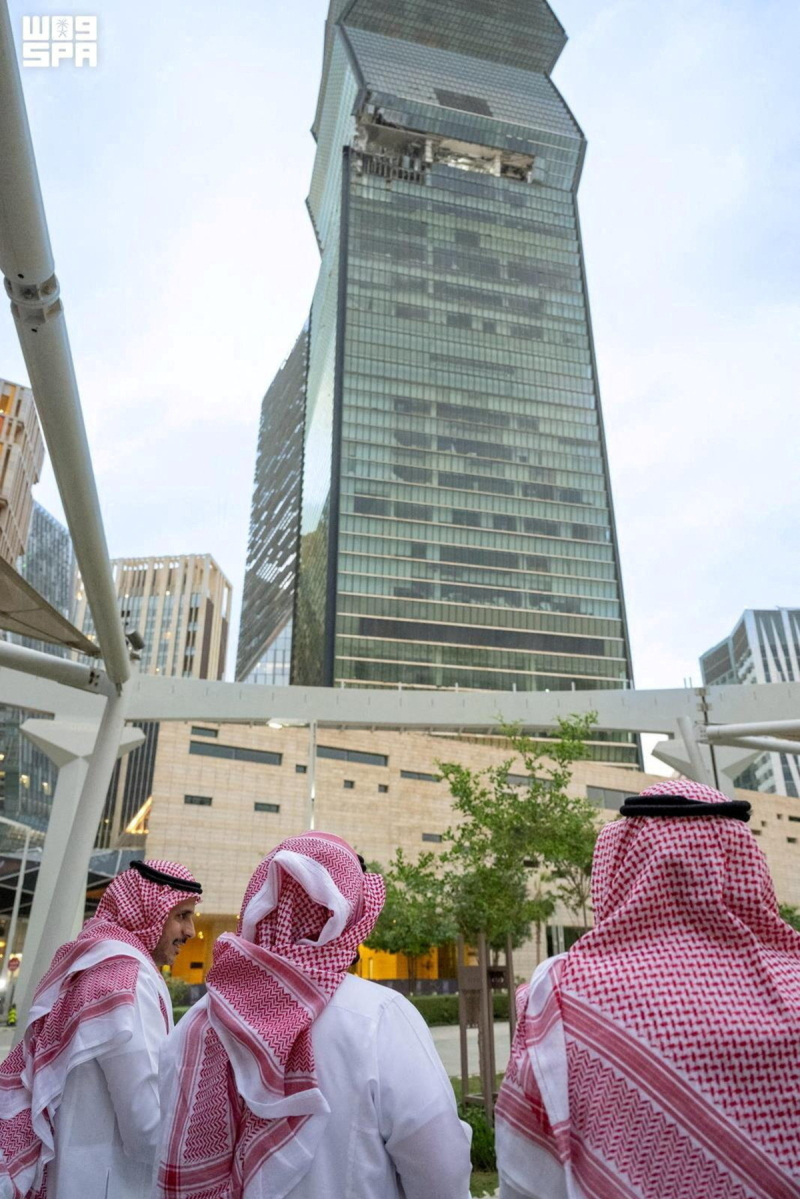
Houthi spokesman Yahya Saree claimed the group had targeted King Khalid International Airport and Riyadh’s Financial Centre. Saudi authorities have not confirmed the claims.
U.S. support could change the course of the war
Riyadh believes direct U.S. offensive support could help Saudi-backed forces achieve their objectives within weeks. However, the Trump administration has so far withheld such assistance, leaving Washington with significant influence over the kingdom’s military strategy.
Saudi Arabia has also strengthened regional defence ties, signing the Mecca Pact with Pakistan and Türkiye in August. A Pakistani military spokesperson confirmed to CNN in October that Pakistani troops were stationed in the kingdom.
Reports about possible Syrian involvement remain conflicting. Agence France-Presse reported preparations for deployments to Saudi Arabia and Yemen, while the Associated Press said Syrian special forces would be sent only to the kingdom.
Syrian Foreign Minister Asaad al-Shibani denied plans to deploy troops to Yemen but confirmed discussions about joining the pact. None of the partners has indicated a willingness to launch a ground campaign in Yemen.
Civilians face mounting costs
Renewed fighting has killed or wounded thousands of people and displaced hundreds of thousands more. A further six months of conflict would deepen Yemen’s humanitarian crisis, particularly as winter approaches.
The internationally recognised government remains divided and heavily dependent on Saudi financial and military support. Tensions persist following an unsuccessful attempt by southern forces backed by the United Arab Emirates to seize eastern territory and push for secession last winter.
Further setbacks around Aden could reignite those divisions, while continued Houthi control of coastal areas risks deepening Yemen’s territorial fragmentation.
The wider Iran conflict also threatens to overshadow Yemen’s peace process. A regional agreement could halt the fighting without resolving disputes over governance, power-sharing or the future of the south.
War brings growing costs for Saudi Arabia
The conflict is also taking a toll inside the kingdom. A Houthi strike damaged Saudi Aramco’s Riyadh headquarters last week, while attacks on King Khalid International Airport have kept it closed to most flights since October.
The disruption has extended to Saudi Arabia’s sporting ambitions. The AFC Asian Cup, originally scheduled for January 2027, has been postponed until December that year.
What happens next?
The immediate test is whether Saudi-backed forces can hold Aden and regain territory before negotiations begin. A possible eastern offensive could offer Riyadh an alternative route to military gains.
Direct U.S. involvement or a wider agreement with Iran could shorten the campaign. Without either, Saudi air strikes and Houthi missile attacks are likely to continue, leaving Yemen facing another prolonged period of conflict.
Read more from Saudi Arabia:











What is your opinion on this topic?
Leave the first comment