Tensions between Tehran and Washington have escalated following a fresh exchange of attacks in the Strait of Hormuz, with hostilities spilling over into Gulf states hosting U.S. military bases.
Meanwhile, senior Iranian military commanders have stepped up warnings of severe retaliation in response to U.S. threats of renewed military action against the Islamic Republic.
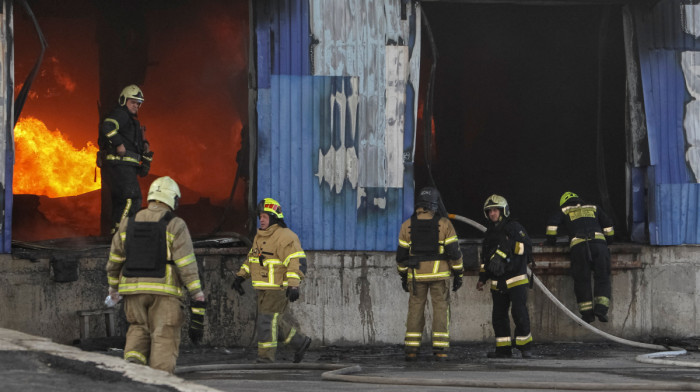
Following U.S. air strikes on Qeshm Island in the strait late on Tuesday, Iran's army said on Wednesday it had launched drone attacks targeting U.S. Patriot air defence systems, missile launchers and drone launchers at Ali Al Salem Air Base in Kuwait.
Kuwaiti officials said the projectiles had been intercepted.
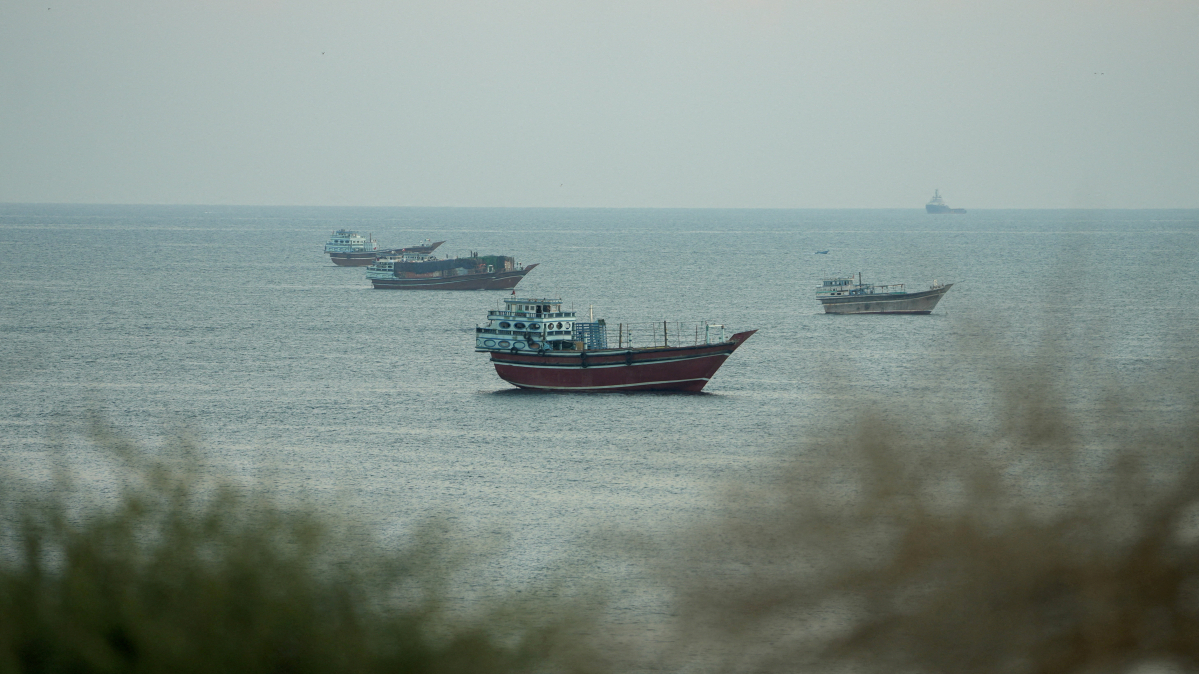
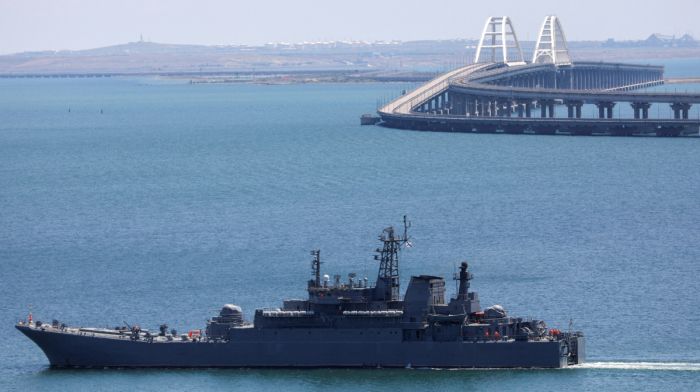
In a separate statement late on Tuesday, the Islamic Revolutionary Guard Corps (IRGC) Navy said a third vessel had been hit by a naval mine and exploded in the strategic waterway that day.
Fresh confrontations raise tensions in the Gulf
The latest escalation follows an incident on 7 November, when U.S. forces opened fire on a commercial cargo vessel, disabling it as it attempted to breach Washington's naval blockade of Iran.
Iran has also launched rocket and drone attacks on U.S. radar facilities in Bahrain, including an IRGC strike early on Tuesday.
Bahraini officials said the attack caused no damage or injuries.
Iranian commanders warn of severe retaliation
Senior Iranian military commanders have warned Washington of a forceful response to any renewed conflict.
Major General Ali Abdollahi, a senior commander of Iran's armed forces, threatened severe retaliation against U.S. vessels, saying Iran would “push the Americans back to the South Pole”.
IRGC Commander-in-Chief Major General Ahmad Vahidi also issued a warning on Tuesday, claiming Iranian forces had crippled their adversaries at military bases across the region.
Tehran and Washington face prolonged standoff
The military stalemate between Iran and the U.S. has deepened after months of uneasy calm, with sporadic clashes suggesting both sides are seeking to gain an advantage while avoiding a full-scale war.
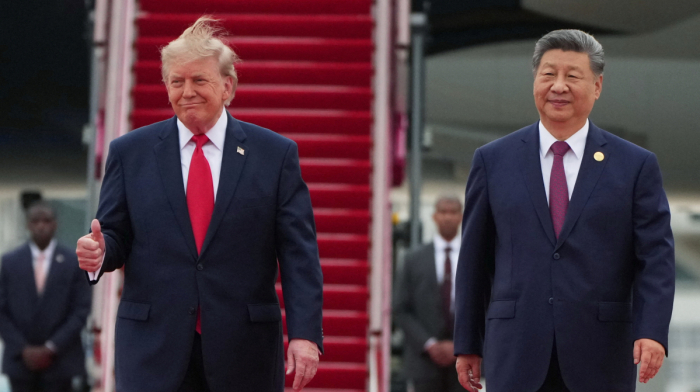
Tehran appears to be betting that President Donald Trump's political position will weaken following midterm election losses and controversy surrounding a Chinese espionage scandal, reducing Washington's leverage.
The U.S., meanwhile, is counting on sustained economic pressure to weaken Iran's position.
Military buildup fuels fears of renewed conflict
Both sides are expanding their military capabilities and preparing for a possible confrontation if mediation efforts by regional countries fail to produce a breakthrough.
Amid reports of an accelerating U.S. military build-up, Iran has reportedly stepped up production of precision-guided ballistic missiles and one-way attack drones, weapons that proved significant during the Israeli-U.S. war against Iran last June and in fighting since February this year.










What is your opinion on this topic?
Leave the first comment