Afghanistan is stepping up efforts to expand trade with Iran, India, Tajikistan and Azerbaijan as it seeks alternative routes to international markets following the closure of border crossings with Pakistan.
The latest initiatives include an agreement with Iran to operate the Islam Qala border crossing 24 hours a day from 21 November, alongside a proposal to establish a joint border market with Tajikistan.
According to Afghanistan’s Ministry of Finance, the agreement with Iran also involves connecting the two countries’ customs systems to streamline trade and transit.
Expanding regional trade ties
Tajikistan’s Ambassador to Kabul, Saadi Sharifi, unveiled plans for a joint border market during talks with the Afghanistan Chamber of Commerce and Investment (ACCI).
The chamber’s chairman, Sayed Karim Hashemi, proposed sending a delegation of at least 10 Afghan traders to Tajikistan to explore new business opportunities.
Meanwhile, Afghanistan’s Deputy Minister of Industry and Commerce, Ahmadullah Zahid, held talks with Indian business leaders in New Delhi, urging them to invest in Afghanistan’s manufacturing and industrial sectors.
New routes to Europe
Afghanistan is also looking to strengthen ties with Azerbaijan to expand transport corridors linking Central Asia to European markets.
At a roundtable discussion in Baku on Tuesday, Abdul Hai Qanit, director general of Afghanistan’s Centre for Strategic Studies, stressed the importance of regional transport networks in boosting trade and economic growth.
“Transport corridors directly influence access to regional and international markets, creating opportunities for economic growth and greater integration,” he said.
Qanit also pointed to the Lapis Lazuli Corridor, a trade route connecting Afghanistan to Turkmenistan, Azerbaijan, Georgia and Türkiye, as a key opportunity for regional cooperation.
“We see considerable opportunities for Afghanistan to participate more actively in these regional connectivity initiatives,” he added.
Trade shifts following Pakistan border closures
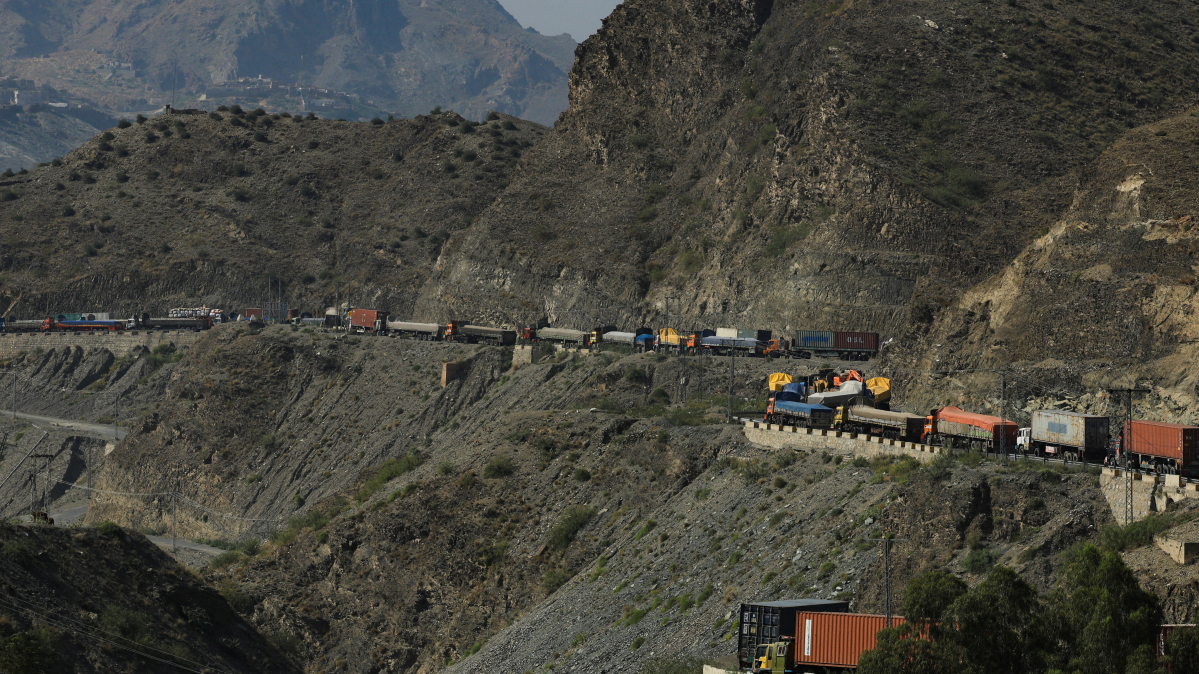
The push to diversify trade routes comes as Afghanistan faces mounting pressure on its imports and exports.
According to the World Bank's latest Afghanistan Development Update, around 97 per cent of Afghanistan's imports now enter the country via Iran and Central Asia following the closure of border crossings with Pakistan.
Afghan exports also fell by 15.1 per cent between April and September 2026 compared with the same period in 2025, highlighting the challenges facing the country's trade sector.









What is your opinion on this topic?
Leave the first comment