The European Commission has proposed a €45 billion ($49.5 billion) loan for Ukraine in 2027 and plans to unveil a fresh round of sanctions against Russia next week, stepping up financial support for Kyiv and pressure on Moscow.
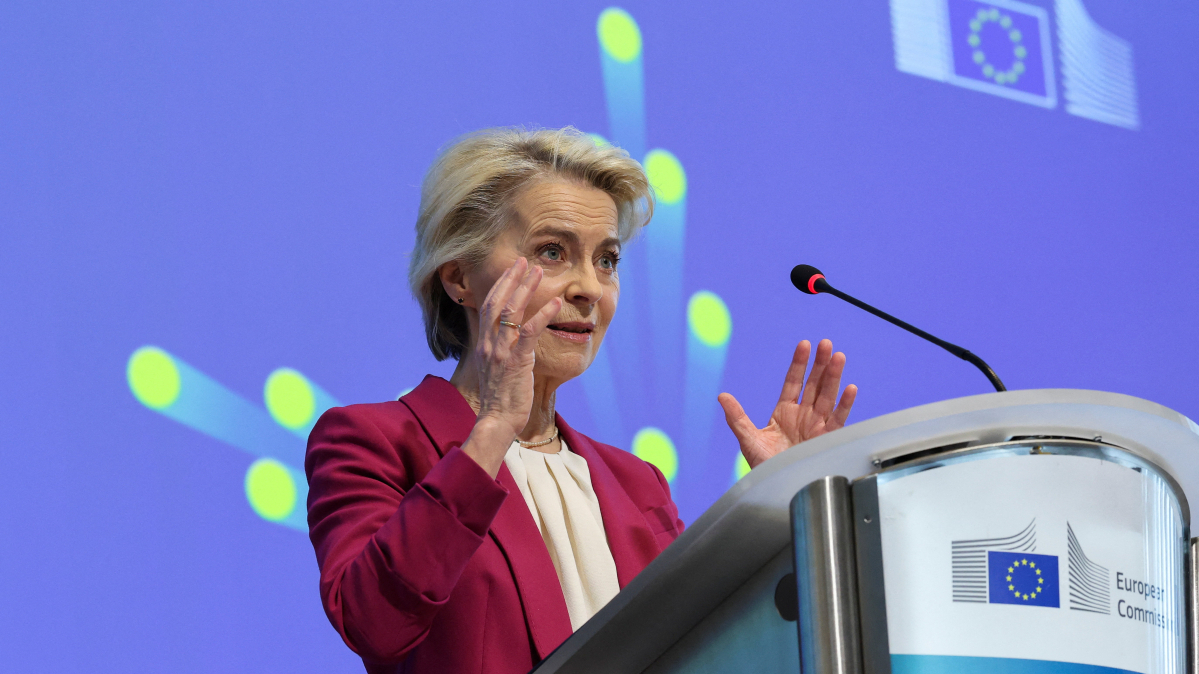
European Commission President Ursula von der Leyen unveiled the plan in Brussels on Wednesday, 18 November, saying Ukraine would only have to repay the loan once Russia had paid reparations for war damage.
The funding would help bridge Ukraine's projected €70 billion ($77 billion) shortfall in 2027, with other international partners expected to cover the remainder.
“Five years since the start of this war of aggression, Europe stands united,” von der Leyen told reporters in Brussels. “We are as committed as ever to support Ukraine in war and in peace.”
The proposal follows a €90 billion ($99 billion) financing package agreed by EU leaders in late 2025 to support Ukraine through 2026 and 2027.
Of the proposed €45 billion, up to €25 billion ($27.5 billion) would go towards military assistance, with the remaining €20 billion ($22 billion) allocated to Ukraine's general budget.
The Commission plans to raise the money through borrowing on international financial markets on behalf of the EU, although the proposal still needs approval from member states.
Brussels prepares 22nd sanctions package against Russia
Alongside the loan proposal, von der Leyen said Brussels would unveil its 22nd package of sanctions against Moscow next week.
“Work is ongoing on our 22nd sanctions package, which we will present next week,” she said.
Von der Leyen said existing sanctions were steadily weakening Russia's economy, despite failing to trigger an immediate collapse.
She cited a worsening economic outlook and mounting financial difficulties as evidence that sustained pressure was eroding Russia's economic foundations.
The Commission has yet to reveal what measures the latest package will include.
Russian attacks deepen Ukraine's funding need
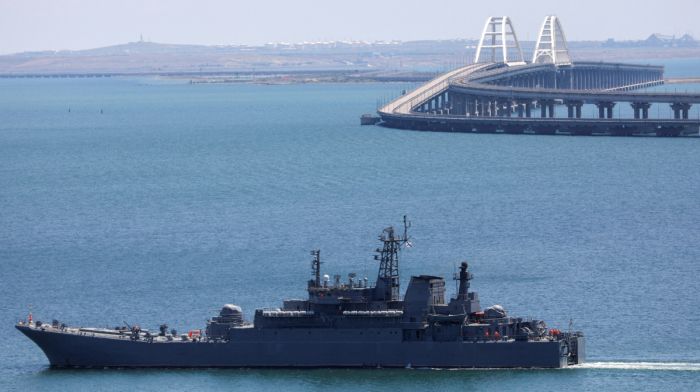
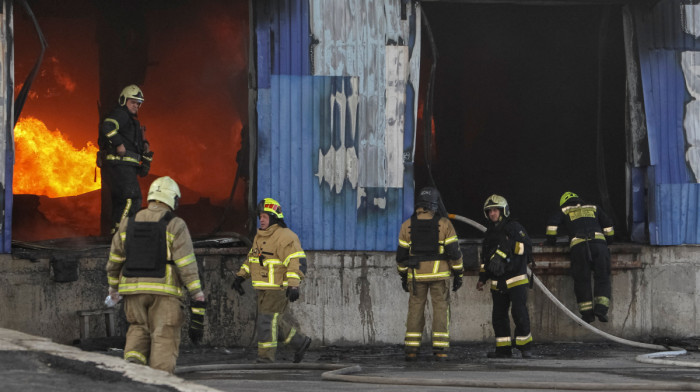
European Economy Commissioner Valdis Dombrovskis said fresh financial assistance was increasingly urgent as Russian attacks on Ukraine's critical infrastructure intensified and disruptions to Black Sea export routes hampered trade.
“For almost five years, Ukraine has stood guard against the Russian aggression that also threatens our citizens, our territory, and our way of life. Our support gives Ukraine a crucial strategic partner,” he said.
The Commission says continued funding is vital to keeping Ukraine's economy functioning and maintaining its defence capabilities as the war continues.
EU seeks consensus on financial support
Von der Leyen said she was confident of securing backing from all 27 EU member states, despite lingering disagreements over military aid to Kyiv.
Hungary, the Czech Republic and Slovakia opted out of the earlier €90 billion ($99 billion) financing arrangement, exposing divisions over the scale of European support.
However, she suggested that countries unwilling to fund military assistance could still back the civilian and budgetary elements of the new proposal.
The latest initiative underscores Brussels' efforts to sustain Ukraine financially while tightening economic pressure on Moscow through further sanctions.










What is your opinion on this topic?
Leave the first comment