Several European Union foreign ministers have warned against negotiating Europe's future security arrangements with Russia before a ceasefire in Ukraine, amid concerns that Moscow could secure concessions without ending the war.
Speaking at an EU foreign ministers' meeting in Brussels on Monday, officials said broader security talks should only begin once Russia agrees to a ceasefire and makes meaningful concessions.
EU ministers question Russia's intentions
The warnings came after Russia announced on Friday that it would consider European participation in peace talks if it believed the countries involved were genuinely committed to achieving peace.
European leaders have agreed that Britain, France, Germany, Italy, Poland and EU institutions would represent Europe's interests in potential negotiations.
However, ministers from other EU countries cast doubt on Moscow's willingness to negotiate seriously, calling for continued support for Ukraine.
“The rules are working, but the problem is that Russia is breaking them,” Lithuanian Foreign Minister Kęstutis Budrys told reporters.
He warned that discussing Europe's security arrangements at this stage could play into Moscow's hands.
“It provides a lot of chances for Russia to get something out of it. So we shouldn't fall into this trap,” Budrys said.
Russian officials have pushed for a comprehensive agreement on Europe's security architecture before tackling issues directly related to the war in Ukraine.
Kallas calls for ceasefire before wider talks
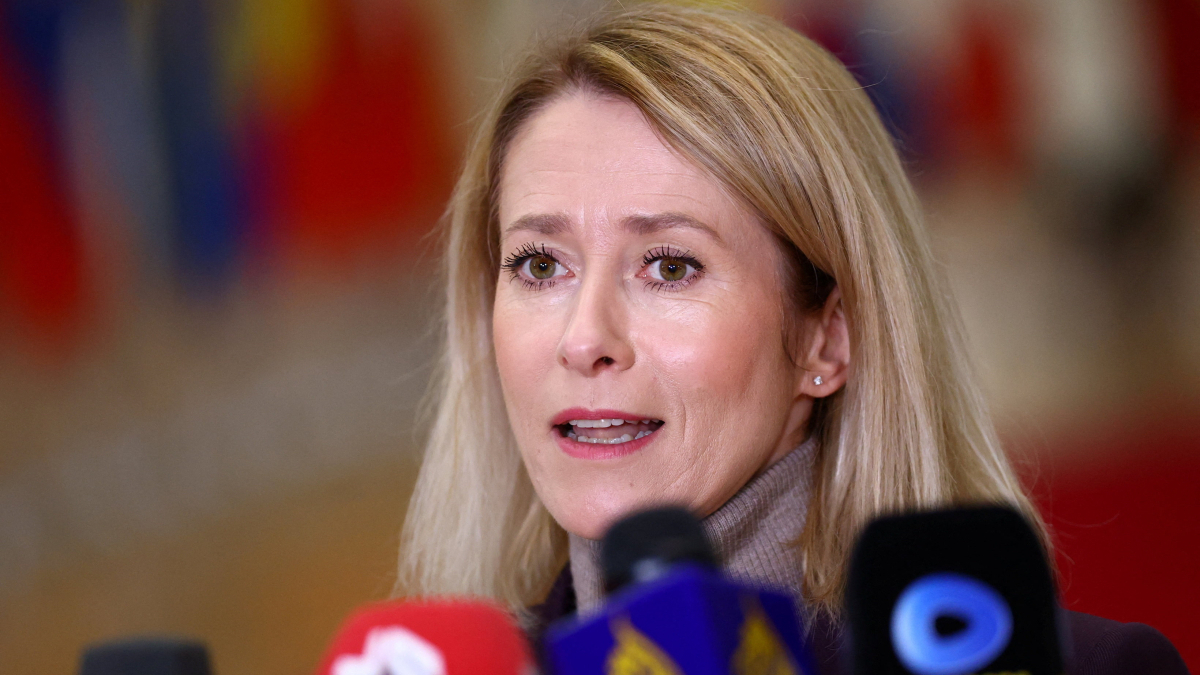
EU foreign policy chief Kaja Kallas insisted that a ceasefire must be in place before negotiations on broader security issues can begin.
“What we need to see is a ceasefire to actually start the talks about anything else,” Kallas said.
She accused Russia of intensifying its military operations while using the prospect of negotiations to prolong the war.
“They are the aggressor. We need to see concessions from their side,” she added.
EU steps up sanctions pressure on Russia
Meanwhile, the EU is preparing fresh sanctions as part of efforts to maintain pressure on Moscow.
Irish Foreign Minister Helen McEntee said a new package of measures was being finalised ahead of discussions later this week.
French Foreign Minister Jean-Noël Barrot said the EU had approved 145 new sanctions designations on Monday, targeting individuals and entities including Tatyana Kim, chief executive of Russian online retailer Wildberries, and the St Petersburg oil terminal.
Barrot also announced that France and Britain would host a conference on 4 December to address Russia's shadow fleet, used to transport oil despite Western restrictions.
German Foreign Minister Johann Wadephul reaffirmed Europe's determination to maintain pressure on Moscow despite Russia's demands.
“We will stay the course, no matter how loudly Putin's Russia tries to steer the debate in its direction with ever more absurd maximalist demands,” he said.
Wadephul said Moscow's actions would reveal whether it was genuinely prepared to negotiate or merely seeking to buy time while giving the impression of diplomatic progress.








What is your opinion on this topic?
Leave the first comment