Afghanistan disputes UN education figures, cites millions enrolled in schools and madrasas
Afghanistan’s Ministry of Education has challenged a United Nations report on access to education, saying its findings do not ref...
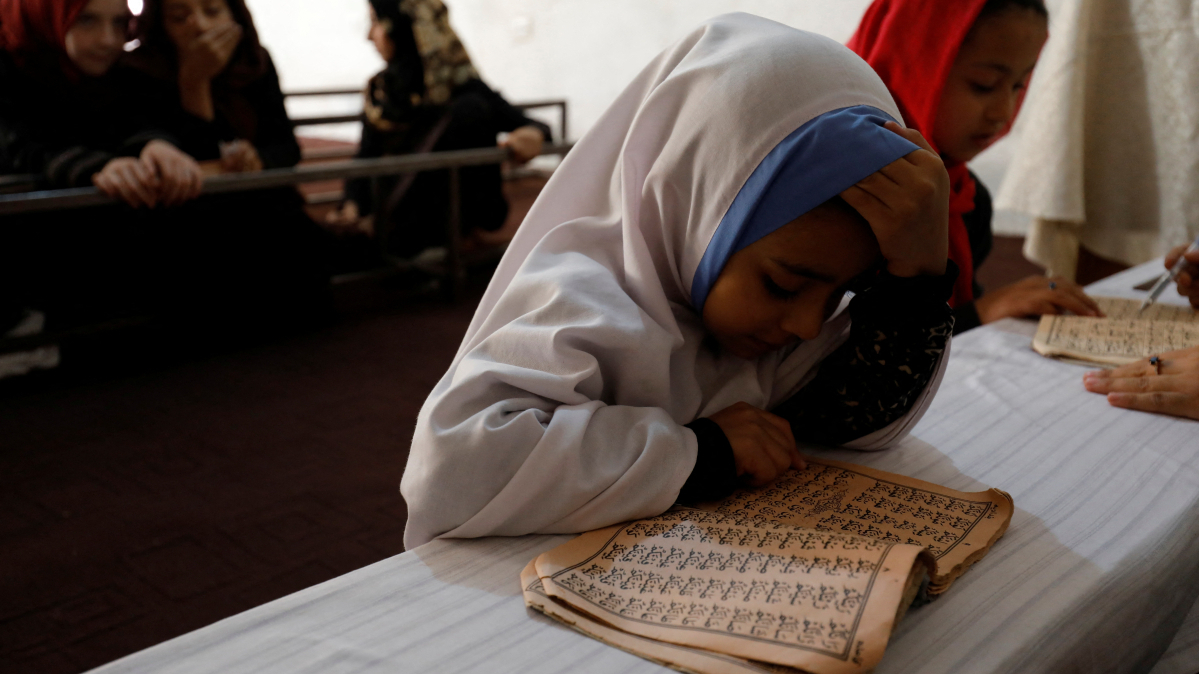
Afghanistan’s Ministry of Education has challenged a United Nations report on access to education, saying its findings do not reflect the full picture of the country’s education system.
The response follows a joint report released on 4 November by the United Nations Children’s Fund (UNICEF) and the United Nations Educational, Scientific and Cultural Organization (UNESCO), which found that 53 per cent of primary-school-age children were outside formal education.
The report also said more than 2.6 million girls had been denied secondary education since 2021, when the Taliban returned to power.
In a statement issued on 10 November, the ministry said 18,090 public and private schools were operating across Afghanistan, with more than 7.6 million students enrolled.
It also reported more than 2.4 million students attending 20,372 religious schools, known as madrasas.
The ministry challenged how the UN findings were being interpreted.
“In the Ministry’s view, however, it is inappropriate to present a single statistical category as the complete picture of children’s education across the country.”
The ministry said nearly five million new students had enrolled during the past five years, while 373 new public schools had opened.
It also reported distributing more than 48.7 million textbooks and constructing buildings for 1,368 schools and madrasas.
The UN report identified poor education quality, teacher shortages and insufficient investment as major challenges.
The ministry acknowledged that barriers to education remained, but questioned the methodology behind the UN findings.
“The Ministry of Education is ready to cooperate with the relevant organisations on a technical comparison of its data, so that future assessments present an accurate and complete picture of education in Afghanistan.”
The ministry’s figures include religious education, while the UN’s 53 per cent estimate concerns formal general education. The two sets of figures therefore measure different categories.
The ministry did not announce any change to restrictions preventing girls from attending.
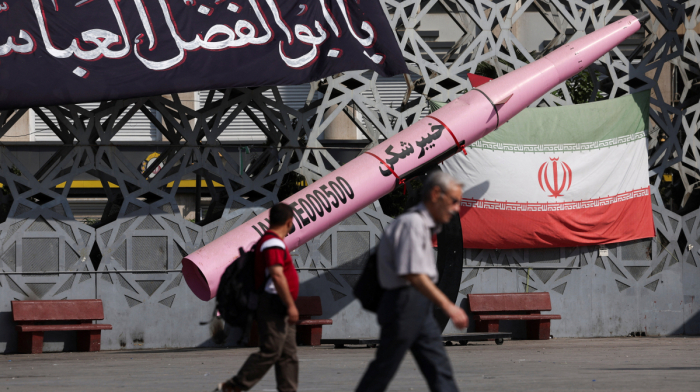
Iran’s Assembly of Experts has backed withdrawing from the Nuclear Non-Proliferation Treaty (NPT) and overhauling the country’s defence doctrine, calling both steps essential to national security and deterrence.
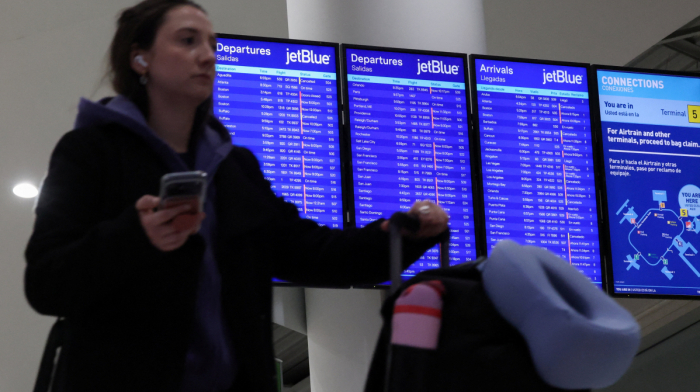
The U.S. Federal Aviation Administration lifted a nationwide ground stop on Friday (13 November) after a communications failure at air traffic control centres caused chaos at airports and triggered the longest nationwide shutdown since the 9/11 attacks in 2001.
More than 30 people have been taken to hospital after a cargo ship collided with a passenger cruise docked on the Mississippi River in New Orleans on Friday (13 November).
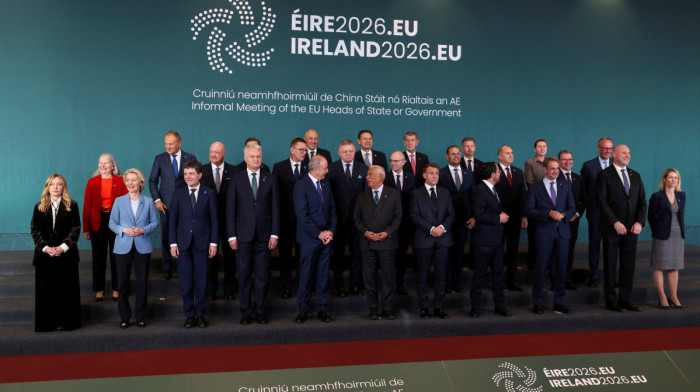
Europe will send a team of diplomats to Ukraine peace talks rather than a single envoy, EU leaders agreed on Friday at the end of a summit in Dublin.
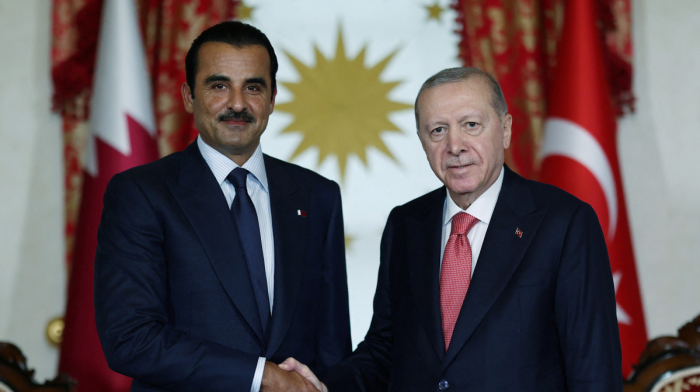
Türkiye and Qatar signed a mutual defence agreement on Friday, November 13, aimed at strengthening collective security and regional stability. The two countries pledged to take a united stance against any external armed attack on either nation.
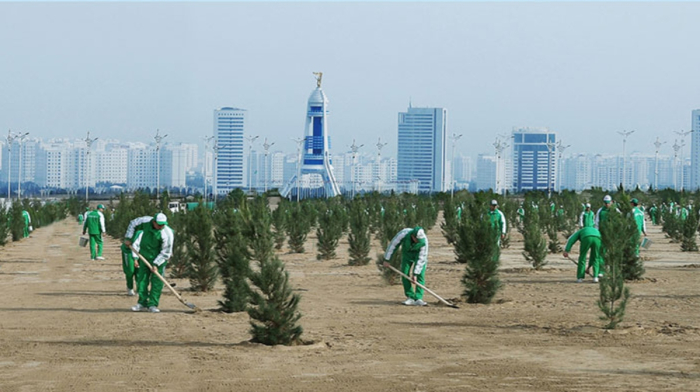
More than 537,000 trees were planted across Turkmenistan during a nationwide greening campaign as part of the autumn planting season. The initiative, attended by President Serdar Berdimuhamedov, also included maintenance work for nearly two million trees planted in previous years.
Peace is Armenia’s only reliable guarantee of security, Armenian Prime Minister Nikol Pashinyan has said in comments in Dublin, where he also commented that the Russian-led Collective Security Treaty Organisation (CSTO) alliance had failed to fulfil its obligations towards Yerevan.
Türkiye and Qatar signed a mutual defence agreement on Friday, November 13, aimed at strengthening collective security and regional stability. The two countries pledged to take a united stance against any external armed attack on either nation.
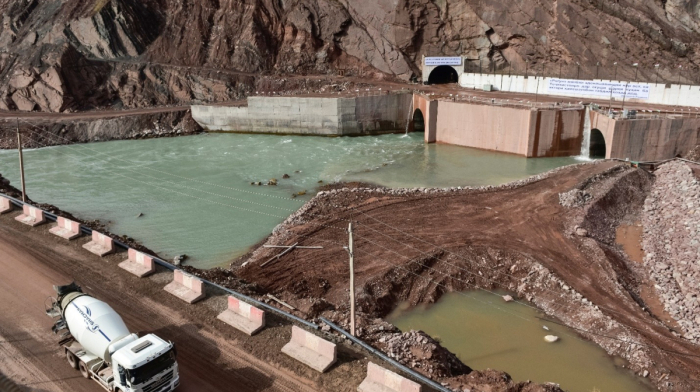
As Central Asia expands its hydropower infrastructure and high-rise construction, seismologists are examining whether large mountain reservoirs could influence earthquake activity. The question is particularly pressing in a region where major cities lie close to active tectonic faults.
As artificial intelligence (AI) becomes part of everyday life, languages with smaller speaker communities risk being left behind. Georgian, spoken by around four million people worldwide, is facing a digital challenge: making sure it is understood by the machines shaping how the world communicates.
You can download the AnewZ application from Play Store and the App Store.
What is your opinion on this topic?
Leave the first comment