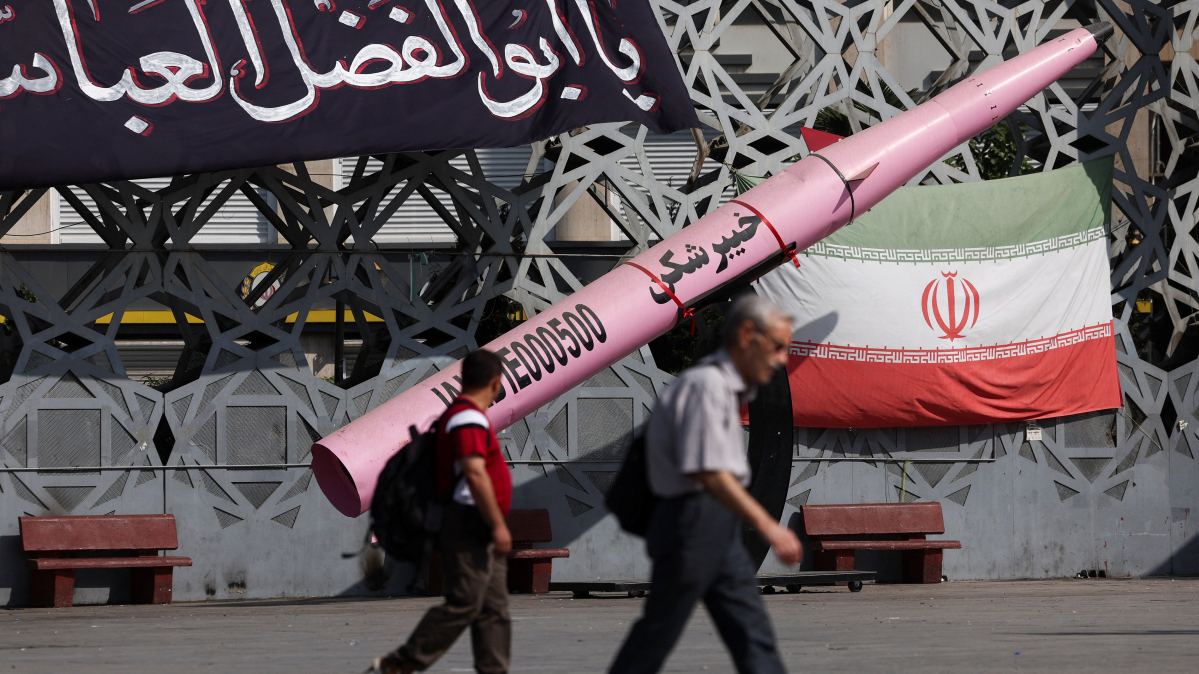
Iran’s Assembly of Experts has backed withdrawing from the Nuclear Non-Proliferation Treaty (NPT) and overhauling the country’s defence doctrine, calling both steps essential to national security and deterrence.
In a 10-point statement released on Thursday, the body responsible for appointing, supervising and dismissing Iran’s supreme leader described the moves as an “unavoidable necessity” to strengthen the country’s deterrence capabilities.
The statement, reported by WANA news agency, pointed to repeated threats against Iran’s civilian nuclear programme and the failure of international institutions to protect its interests.
It said reconsidering Iran’s membership of the NPT and revising its defence doctrine had become a national demand, aimed at establishing stronger deterrence.
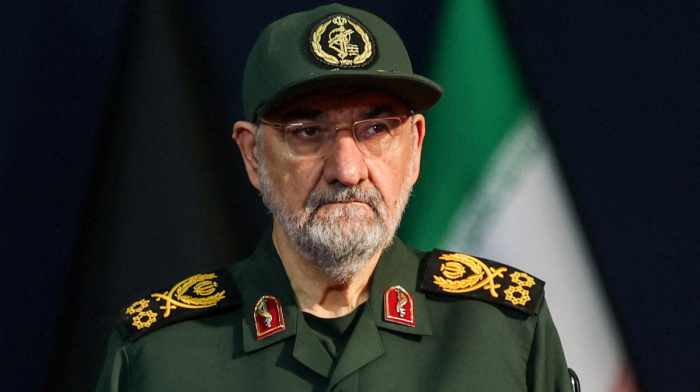
The assembly also expressed support for Supreme Leader Ayatollah Seyed Mojtaba Khamenei and recent statements by Iranian armed forces commanders. It warned against concessions to the U.S. and threatened an immediate response“without geographical limitations” to any renewed attack.
Pressure grows to abandon nuclear treaty
Calls for Iran to withdraw from the NPT have intensified among lawmakers and political groups following Israeli and U.S. airstrikes on Iranian nuclear facilities monitored by the United Nations in 2025 and 2026.
Following the strikes, Iran’s parliament passed legislation preventing inspectors from the International Atomic Energy Agency (IAEA) from accessing the bombed facilities, accusing them of espionage on behalf of foreign powers.
Iranian officials have also accused IAEA Director General Rafael Grossi of double standards, criticising his failure to condemn attacks on civilian nuclear facilities and blaming him for helping reinstate UN Security Council sanctions against Tehran.
Iran-IAEA rift widens
Tensions between Tehran and the IAEA have deepened, with Iran’s mission in Vienna accusing Grossi of inconsistency over his condemnation of attacks on nuclear facilities.
The mission argued that Grossi had previously treated condemnation of strikes on Iranian nuclear sites as falling outside his responsibilities.
“Impressive; 'STRONGLY CONDEMNS' clearly can be used by the IAEA DG @rafaelmgrossi. But why is it not applied consistently in all situations?,” the mission asked in a post on X on Monday.
“When #US and Israeli regime bombs struck #Iran safeguarded peaceful nuclear facilities, unprecedented in the Agency’s history, or the Iranian nuclear personnel were assassinated, they were never condemned. In those situations, DG apparently considered condemnation to fell outside his “purview” and “work”.”
Grossi, however, has defended the IAEA’s independence, maintaining that the UN nuclear watchdog operates without external influence.
“Selective outrage isn’t a pillar of nuclear safety and safeguards. It’s a pillar of a résumé,” the Iranian mission added, continuing its criticism of Grossi.
“Institutional duty is not optional. Professionalism requires consistency.”
Read more of the latest news:











What is your opinion on this topic?
Leave the first comment