Melting glaciers, recurring droughts and dust storms are putting growing pressure on Central Asia’s water resources, agriculture and public health.
At COP31 in Antalya, Uzbekistan proposed a new model of regional partnership, while neighbouring countries unveiled plans to protect glaciers, strengthen mountain resilience and develop climate technologies.
Central Asia is facing mounting environmental challenges, including water scarcity, land degradation and increasingly severe weather events. According to the Central Asia Climate Portal, more than 50 per cent of the region’s territory faces a high risk of drought, with severe dry spells recurring every five to six years.
Glaciers in Kyrgyzstan and the wider Tian Shan region have shrunk by nearly 17 per cent since the beginning of the century, threatening long-term water supplies for downstream countries such as Uzbekistan and Kazakhstan. In 2025, rainfall and snowfall in Kyrgyzstan and Tajikistan were reported at around 80 per cent of historical averages, putting additional pressure on major reservoirs, including Toktogul and Nurek.
Land degradation is another major concern. The drying of the Aral Sea has exposed around 60,000 square kilometres of seabed, creating the Aralkum Desert. Strong winds carry salt and dust particles from the exposed land over long distances, worsening air quality, threatening public health and damaging farmland.
Uzbekistan calls for regional climate partnership
Speaking at COP31 in Antalya, Uzbekistan's President Shavkat Mirziyoyev proposed a new model of climate cooperation for Central Asia.
The initiative focuses on three areas: information exchange, technology and financing. Uzbekistan called for a regional system to share climate-risk data and develop early-warning systems for natural disasters, with support from the World Meteorological Organization.
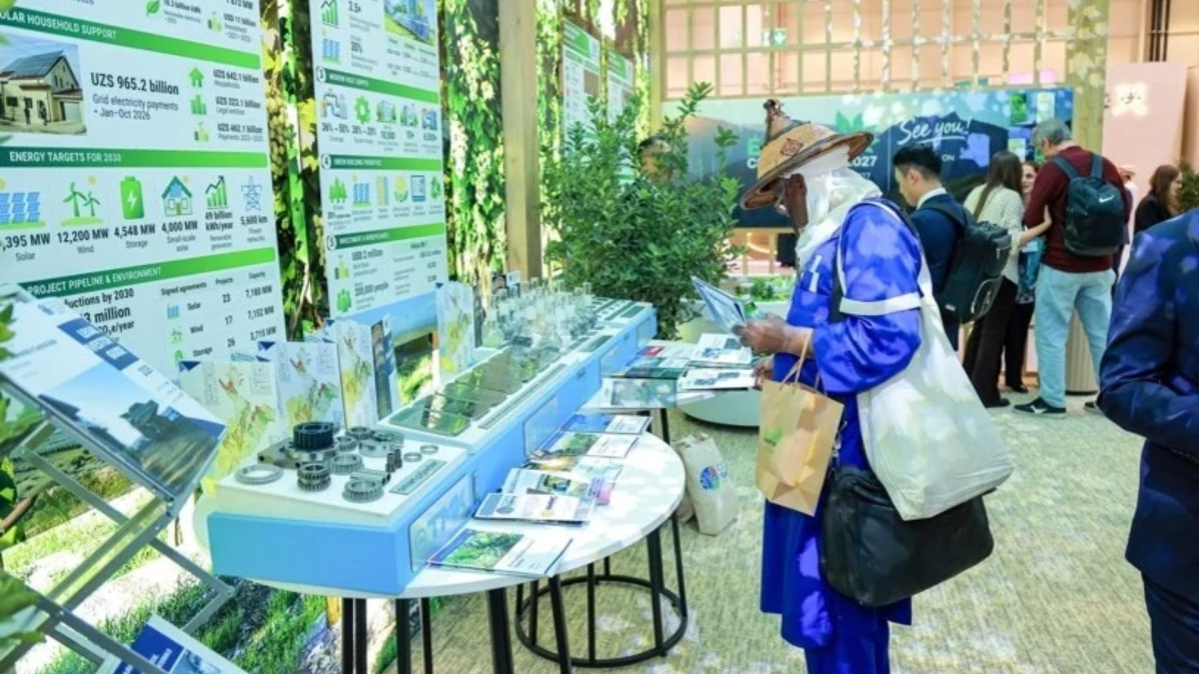
The proposal also emphasises nature-based solutions to restore degraded soils, absorb carbon and combat dust and sand storms. Mirziyoyev suggested turning the Eco Expo exhibition into a permanent platform for investment in environmental technologies tailored to the region's needs.
To secure funding, he proposed working with development banks and specialised funds to introduce new support mechanisms, including concessional grants and financing for water-related and arid-region projects.
Mirziyoyev also said Uzbekistan had met its previous target of reducing greenhouse gas emissions per unit of GDP by 35 per cent ahead of schedule. The country now aims to cut emissions intensity by 50 per cent by 2035.
Regional initiatives focus on glaciers and climate resilience
Elsewhere in the region, governments are seeking greater international backing to tackle shared climate threats.
Tajikistan called for increased international funding to protect glaciers, manage water resources and help mountain communities adapt to climate change. It also joined Kyrgyzstan, Pakistan, Nepal and Bhutan in hosting a high-level event on glacier preservation, mountain resilience and climate finance.
Kyrgyzstan is pushing for a Global Mountain Resilience Centre, while Kazakhstan unveiled an investment platform for renewable energy, electricity grids and energy storage. Turkmenistan proposed establishing a Regional Climate Technology Centre to promote the sharing of climate data, expertise and technologies.
Together, the initiatives underline the need for closer regional cooperation as climate threats intensify. Protecting glaciers, restoring degraded land and strengthening disaster preparedness will be critical to securing Central Asia's water supplies, livelihoods and long-term environmental resilience.
Read more:



















What is your opinion on this topic?
Leave the first comment