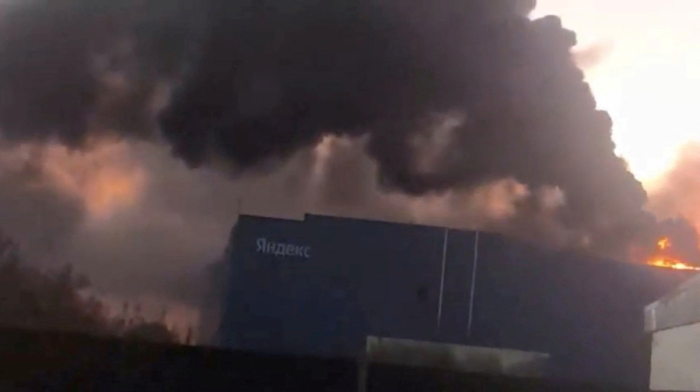
Oil supply disruptions worsen Kazakhstan’s economic forecasts
Kazakhstan’s economy is set to slow in the coming years as external conditions deteriorate and geopolitical risks intensify, according to the latest forecast by the World Bank.
China has launched a wide-ranging campaign across Central Asia aimed at improving its public image and strengthening its influence in the region.
Uzbekistan plans to significantly expand the use of electric vehicles (EVs), targeting a 10% share of all passenger cars by 2030.
Japan's elevated interest in Central Asia reflects a combination of economic motives, such as access to resources and investment opportunities, as well as geopolitical goals aimed at promoting regional stability and enabling a counterbalance to other major powers.
Since the United States and other Western countries remain hesitant to formally recognise and engage with the Taliban-led government, Afghanistan has been left with little choice but to look closer to home.
Kazakhstan’s President Kassym-Jomart Tokayev has dismissed the political significance of recent private meetings between Vladimir Putin and former Kazakh leader Nursultan Nazarbayev, describing them as purely personal exchanges.
Pipeline routes in Central Asia are a historically embedded and structurally constrained form of geopolitics. In this region, infrastructure serves as a means of transportation and a crucial instrument of power and strategic autonomy.
The tectonic plates of global trade and geopolitics are shifting, demanding that regional cooperative structures evolve to match new strategic realities.
The 2025 Shanghai Cooperation Organisation (SCO) Summit, held in Tianjin, China, has been hailed as one of the most significant gatherings in the bloc’s history.
The move is intended to combine digital innovation and long-term infrastructure planning with further modernise urban mobility while strengthening the country’s position as a key transit hub across Eurasia.
Historic border agreements in 2025 brought renewed hopes of stability to the Fergana Valley, easing long-running tensions between Kyrgyzstan, Tajikistan and Uzbekistan.
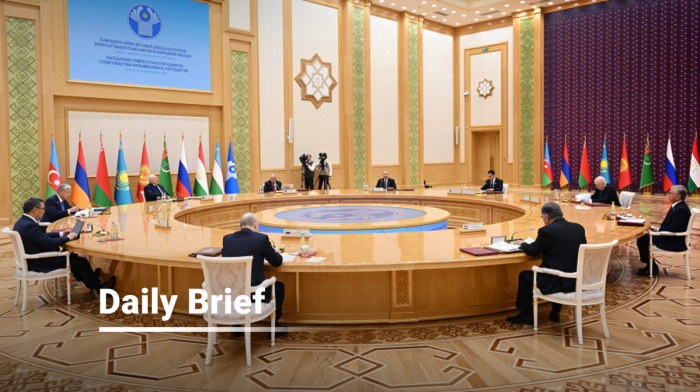
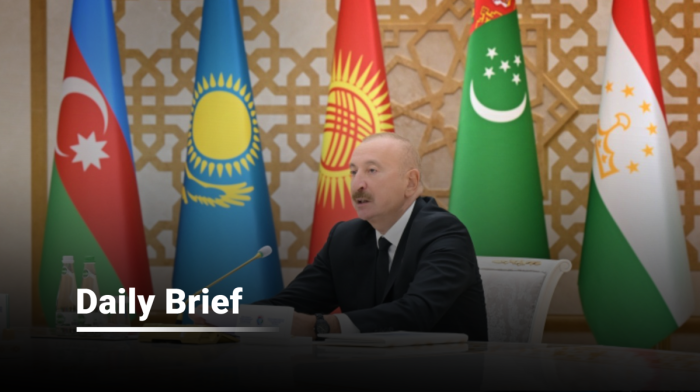
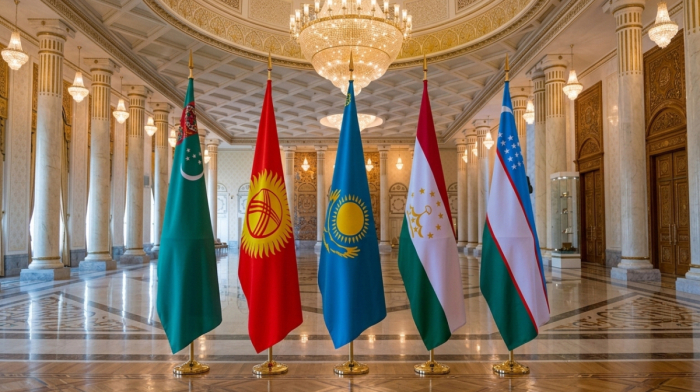
As the year draws to a close, Central Asia has taken a significant step towards deeper regional integration by formally bringing Azerbaijan into its decision-making framework. The move signals a broader shift towards political and economic coordination across Eurasia.
A landmark agreement between Türkiye’s state pipeline operator BOTAŞ and Turkmenistan’s state-owned Turkmengaz marked a significant step forward in the energy ties between the two nations.
Kazakhstan has made a notable advance in the global Government AI Readiness Index, moving up to 60th place out of 195 countries in the 2025.
U.S. President Donald Trump has invited the leaders of Kazakhstan and Uzbekistan to attend the G20 summit set to be hosted in Miami next year.
Start your day informed with AnewZ Morning Brief: here are the top news stories for the 21st of December, covering the latest developments you need to know.
Japan and five Central Asian nations have unveiled a range of initiatives aimed at strengthening critical minerals supply chains and fostering broader regional cooperation, following their first summit in Tokyo on Saturday.
Kyrgyzstan is increasingly being described as one of the fastest growing economies in Central Asia.
Afghanistan’s Ministry of Industry and Commerce said a set of Afghan–Kyrgyz meetings in Kabul on Wednesday ended with business agreements worth “more than USD 156 million” and new steps to formalise trade ties, including the opening of a Kyrgyzstan Trade House in the Afghan capital.
A major financing agreement has been signed for the construction of the China–Kyrgyzstan–Uzbekistan railway, a flagship cross-border infrastructure project expected to reshape transport connectivity across Central Asia.
Kyrgyzstan has joined the TRACECA multilateral permit system, a move analysts say will deepen regional integration, cut transport costs and ease cross-border trade, opening new routes to Europe and the Black Sea.
The Taliban leadership in Afghanistan skipped a major regional meeting in Tehran on Sunday, with analysts saying the absence is “not a deliberate political signal” but reflects timing and existing diplomatic ties.
Azerbaijan has long understood the importance of fostering strong relations with its Central Asian neighbours as the country is strategically located at the crossroads of Eastern Europe and Central Asia.
You can download the AnewZ application from Play Store and the App Store.