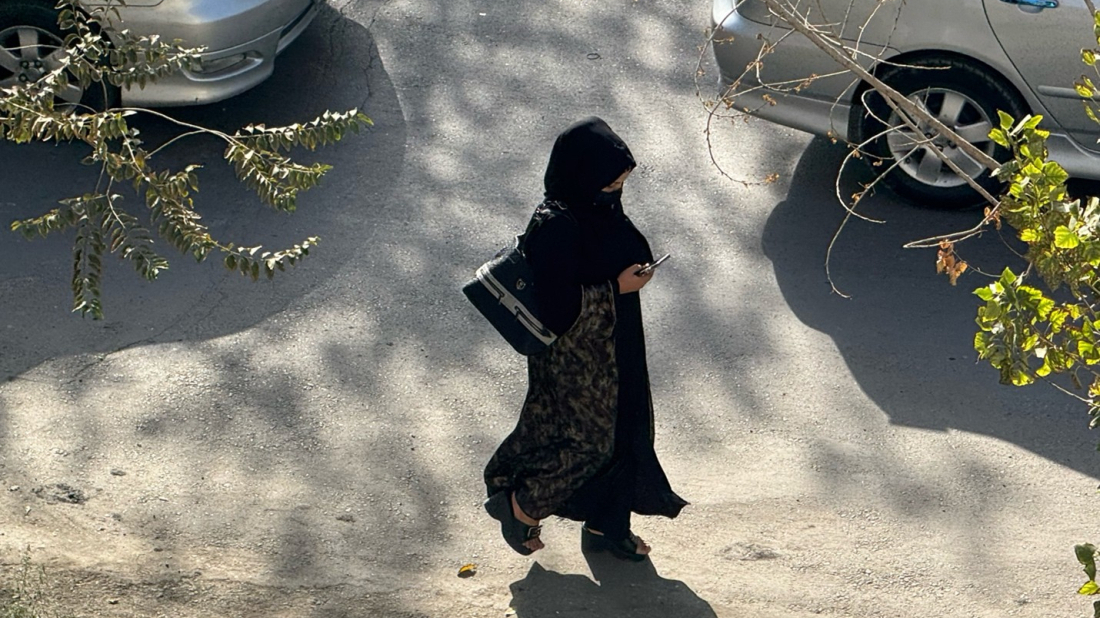
New restrictions have been reported on some social media platforms in Afghanistan, barely a week after a two-day nationwide blackout disrupted internet and telecommunications services in the country.
According to some social media users in Kabul, filters have allegedly been applied to restrict certain types of content on sites including Facebook, Instagram and Snapchat.
It is unclear however what type of filters have been applied and what sort of content is subject to filtering.
Some social media users in Kabul who spoke to AnewZ said that videos on their Facebook accounts are no longer viewable, while access to Instagram has also been restricted.
Saboor Haideri, a social media user and resident of Kabul, told AnewZ that since Wednesday morning, access to Facebook and Instagram has been restricted.
Saboor said, “Since yesterday, most of the content on Facebook is not accessible. I can see some Facebook posts but cannot view videos on Facebook. However, Instagram has been completely banned.”
On Wednesday evening, cybersecurity organisation NetBlocks confirmed the recent restrictions.
In a social media post on X, NetBlocks stated, “Metrics show social media platforms Instagram, Facebook and Snapchat are now restricted on multiple providers in Afghanistan.”
These new restrictions on social media content come just a week after internet and telecommunications services were cut off across the country for two days.
The move caused widespread problems for millions of citizens, and its end was greeted with relief and celebration.
The 48-hour blackout disrupted almost all aspects of life, including businesses, flights, health centres, as well as access to emergency services and humanitarian aid.
Taliban government officials have not yet publicly commented on the recent restrictions but had attributed last week's 48 hour blackout to technical difficulties.
Last month, after the internet was shut down in northern Afghanistan, the spokesperson for the governor in the northern province of Balkh said internet access was being blocked due to “immoral” content on the internet.
Kabul resident Saboor Haideri said, “These new restrictions are something to worry about. What I’m really worried about is how much more restriction the government will impose on us.”
AnewZ is yet to receive a responsde from officials in Kabul about recent restrictions and last week's disruption.










What is your opinion on this topic?
Leave the first comment