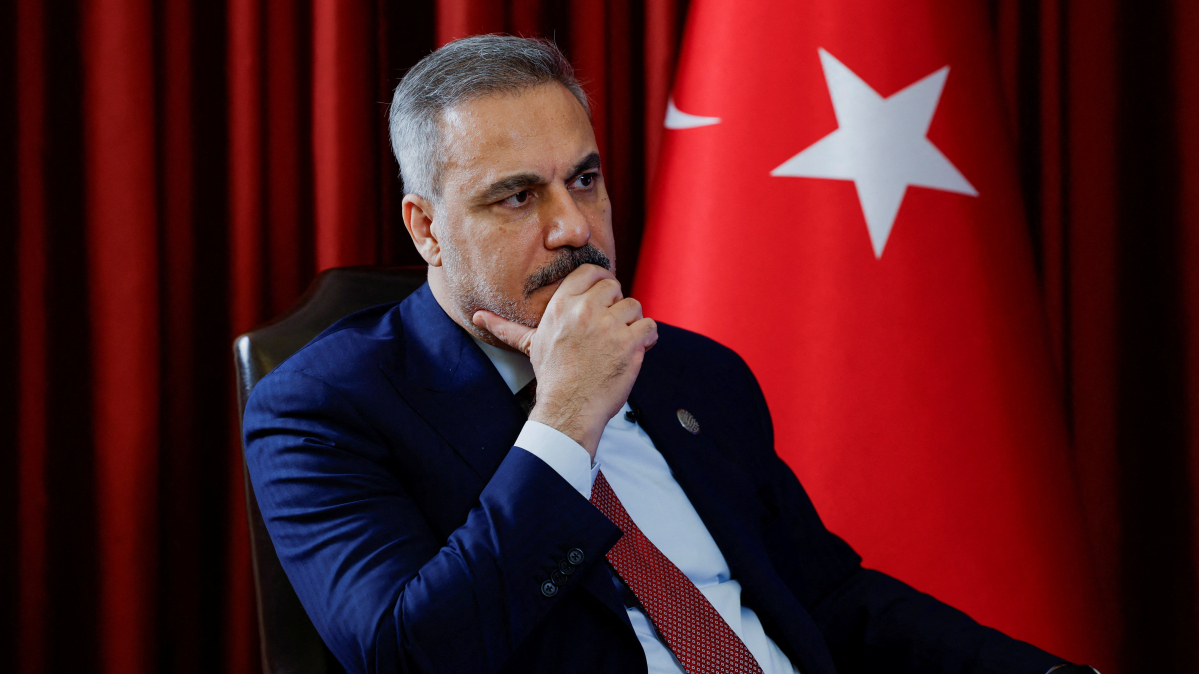
Turkish Foreign Minister Hakan Fidan has urged the U.S.-backed Syrian Democratic Forces (SDF) to “do its part for national unity” amid ongoing clashes with Syrian government forces in the country’s northwest
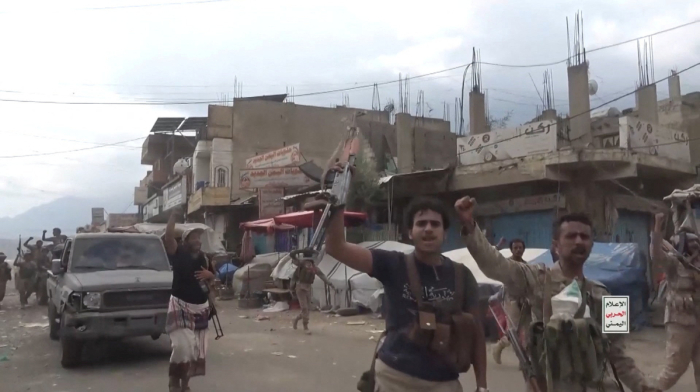
Fidan made the remarks following a resumption of clashes in northwestern Syria between the Kurdish-led SDF and Syrian government forces, which have reportedly left several people, including civilians, dead.
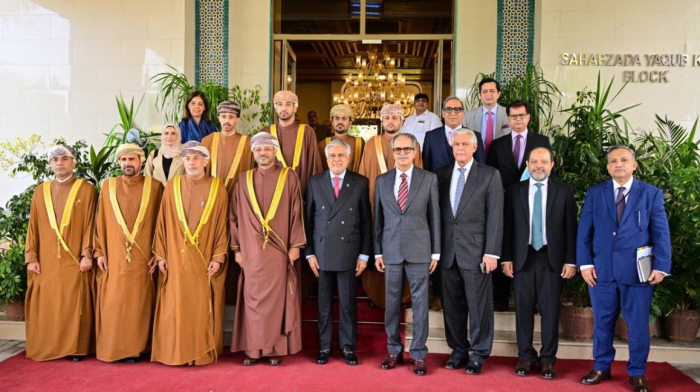
“It is time for national unity,” Fidan told reporters on Thursday at a joint press conference with his Omani counterpart in Turkish capital Ankara. “The SDF needs to do its part.”
“We are monitoring the situation very closely,” he was quoted as saying by Anadolu Agency, Türkiye’s official press service.
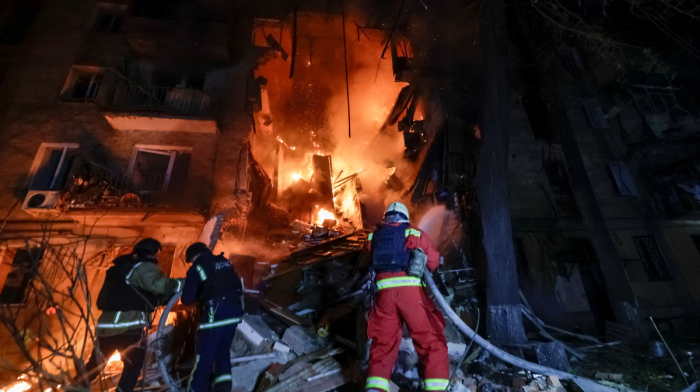
According to Syria’s state-run SANA news agency, nine people in the northwestern city of Aleppo were killed with more than 50 others injured following shelling by SDF fighters in residential neighbourhoods.
Anadolu Agency has since reported that Syrian government troops have entered Aleppo and established control over the city’s Ashrafieh district.
The Kurdish-led SDF was first established in 2015 to help U.S. forces deployed in the region combat the ISIS terrorist group.
Armed and supported by Washington, the SDF now controls a sizable enclave in northern and northeastern Syria where the central government in Damascus exerts little authority.
Türkiye, which is closely aligned with Damascus, views the SDF as a terrorist group due to its close ties with the Kurdistan Workers Party (PKK), which for decades conducted a violent insurgency against the Turkish state.
This has led to friction between Türkiye and the United States, both of which are members of the Western NATO alliance.
In March of last year, the SDF signed a deal with Damascus under which its fighters were to be incorporated into Syria’s national military apparatus.
The deal also called for SDF-held facilities, including border crossings and oilfields, to be brought under the control of the central government.
The agreement’s terms, however, have yet to be implemented.
A month after the deal was signed, several Syrian Kurdish groups, including the SDF, issued a joint proclamation demanding Kurdish autonomy in northern Syria within the framework of a “decentralised” state.
At the time, Syrian President Ahmed al-Sharaa was quick to reject the demand, calling any threat to Syria’s territorial integrity a “red line.”
Türkiye, too, vehemently rejects any notion of Kurdish autonomy in Syria.
“We have engaged all channels of diplomacy to preserve Syria’s territorial integrity and prevent a terrorist structure from forming across our borders,” Turkish President Recep Tayyip Erdogan said last October.
In recent months, Ankara has threatened the SDF with military action if it fails to merge its forces into Syria’s state apparatus in line with the March agreement.
Following the latest outbreak of violence, Türkiye’s defence ministry said it was ready to provide Syria with military assistance against the SDF if Damascus requested it.
Erdogan, meanwhile, has also spoken by phone with al-Sharaa to discuss developments on the ground in northwestern Syria.
According to a statement released by Erdogan’s office, the two leaders stressed the importance of bringing all Syrian territory under the control of Damascus.
In his remarks to reporters, Fidan said that Türkiye was “coordinating and communicating with our regional and national partners” with a view to resolving the crisis.
“What we want to see is stability and regional peace,” the foreign minister said.










What is your opinion on this topic?
Leave the first comment