A survivor of the air strike on a Kabul drug rehabilitation centre described scenes of devastation, saying patients were engulfed in flames moments after explosions tore through the facility late Monday (16 March).
“The whole place caught fire. It was like doomsday,” said Ahmad, 50, who had been receiving treatment at the centre. “My friends were burning in the fire, and we could not save them all.”
Afghan officials say more than 400 people were killed and around 250 wounded in the strike, which they say targeted the state-run Omid Addiction Treatment Hospital at about 9:00 PM.
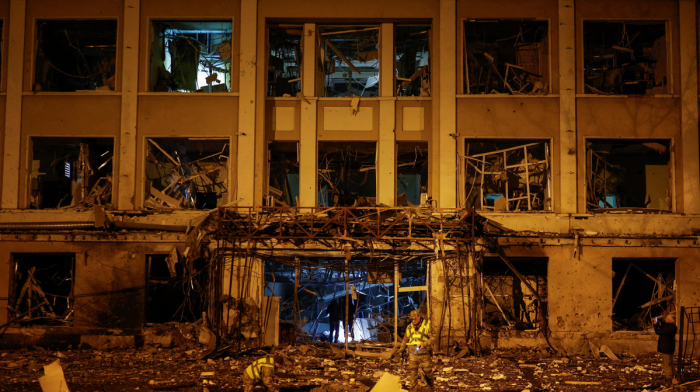
Rescue teams continued to search through the wreckage on Tuesday, with large parts of the complex reduced to charred debris. Witnesses said explosions struck patient areas as residents completed evening prayers.
However, uncertainty remains over the exact site that was hit.
Residents and local journalists said the facility occupies what was once Camp Phoenix, a former NATO military base that was converted into a drug treatment centre around a decade ago. Locals often refer to the site as “Omid Camp,” though officials identify it as the Ibn Sina Drug Addiction Treatment Hospital.
Pakistan rejected Afghanistan’s account of events, calling it “false and misleading”, and said its forces had targeted what it described as “military installations and terrorist support infrastructure”.
Afghan authorities deny the presence of any military infrastructure, insisting the facility was a civilian medical centre treating addiction patients.
Casualty figures and competing claims about the target can not be independently verified.
The strike comes amid the worst fighting in years between Afghanistan and Pakistan, which share a 2,600-kilometre border. Both sides accuse the other of harbouring militants, a charge Kabul denies.
International concern has grown following reports of heavy civilian casualties. Aid groups said they had witnessed large numbers of dead and wounded at hospitals across Kabul, warning that civilian infrastructure must not be targeted.
China urged restraint and renewed dialogue, while India condemned the attack, describing it as “unconscionable”.
The violence has escalated in recent weeks despite mediation efforts, and comes just days before the Eid al-Fitr festival marking the end of Ramadan.








What is your opinion on this topic?
Leave the first comment