Archaeologists in Kyrgyzstan’s Naryn region are uncovering medieval bathhouses, mausoleums and ancient Silk Road settlements, while warning that many historical sites are rapidly deteriorating because of the weather and erosion.
The discoveries were presented during a press tour organised by the Ministry of Culture, Information and Youth Policy, during which media representatives visited excavation sites in the Kochkor and At-Bashy districts. Among the featured sites were a medieval bathhouse in Kum-Döbö, the Kok-Tash mausoleum and the ancient settlement of Koshoy-Korgon.
Medieval bathhouse with ‘heated floors’
One of the most notable discoveries is a medieval bathhouse believed to date back to the 11th century. Archaeologists say the structure included a primitive floor-heating system, in which heat travelled through ceramic pipes beneath the building, similar to modern underfloor heating.
Excavations at the site have revealed fragments of pools, plastered walls, ceramic water pipes and stone millstones. The project forms part of the state programme “Secrets of Ancient History” for 2023–2027, which focuses on preserving and studying historical monuments.
Local resident and researcher Kayyrbek Konurbayev has spent decades collecting artefacts in the area, long before professional excavations began. Together with other local residents, he helped establish a small archaeological museum in the village nearly 20 years ago.
Archaeologists study Kok-Tash mausoleum
Another major site is the Kok-Tash mausoleum, which dates back to the 11th and 12th centuries. During excavations, archaeologists discovered the remains of two men wrapped in metal mesh - a burial practice associated with the Kara Khitai, who once ruled parts of Central Asia.
Researchers also found bronze and iron artefacts near the remains. The mausoleum has now been fenced off and partially preserved to prevent further damage from weather and livestock.
According to officials, future plans include transforming the site into an open-air museum with tourist infrastructure, including walkways and drainage systems.
Koshoy-Korgon settlement faces destruction
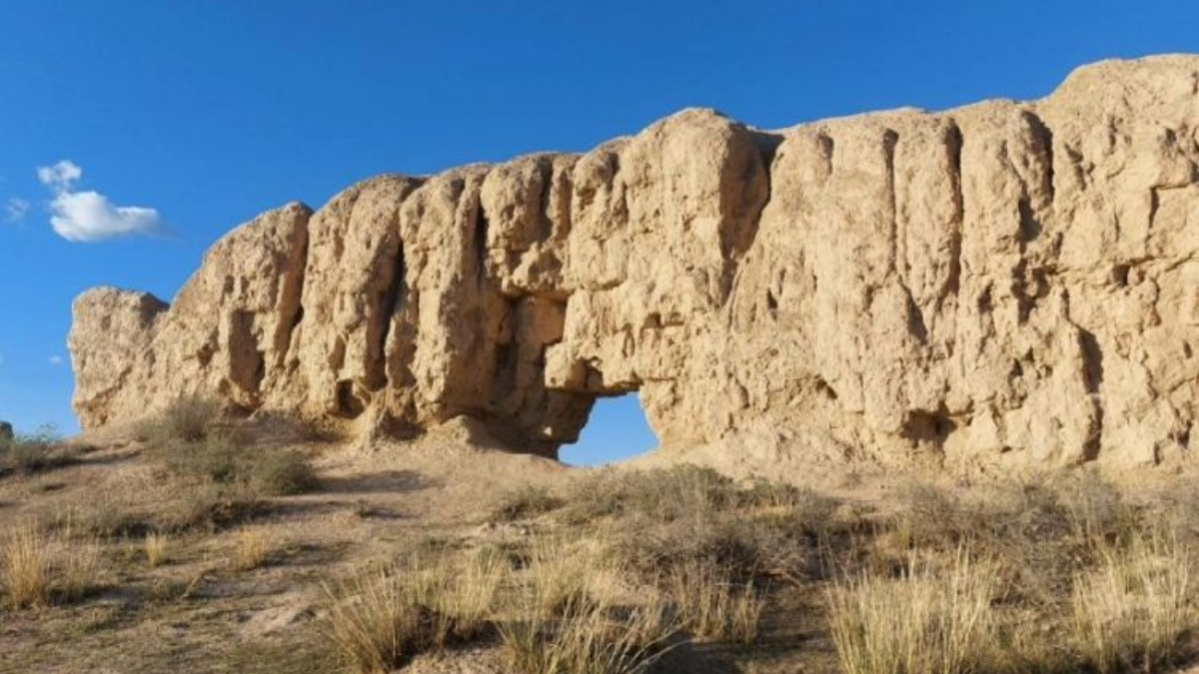
Archaeologists are also raising concerns about the gradual destruction of the ancient settlement of Koshoy-Korgon in the At-Bashy district. The fortress city, believed to date from the 8th to 14th centuries, once stood along the Silk Road and may have contained around 60 towers.
Today, only fragments of earthen walls remain, as rain, wind and snow continue to erode the site. Archaeologists say preservation efforts there have become more urgent than new excavations.
Earlier excavations uncovered the remains of homes, furnaces and ceremonial objects, including an incense burner decorated with human faces that is now housed at the Kyrgyz State Historical Museum.
18th century remains found during construction
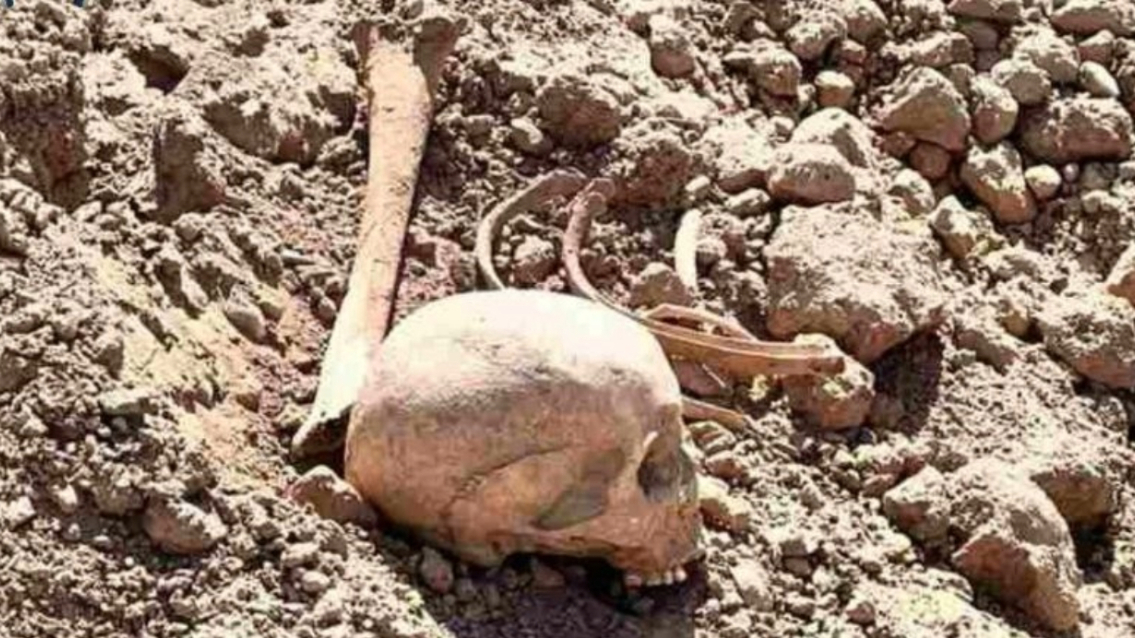
Separately, human remains believed to date back to the 18th century were discovered in the village of Bayetov during trench work for a water pipeline.
The remains were transferred to Bishkek for expert examination after local authorities and museum specialists visited the site. Preliminary assessments suggest the bones may date from the 18th century, although further studies are ongoing.
Experts say the recent discoveries highlight both the rich historical heritage of the Naryn region and the growing need for conservation efforts to protect ancient sites from natural deterioration.




















What is your opinion on this topic?
Leave the first comment