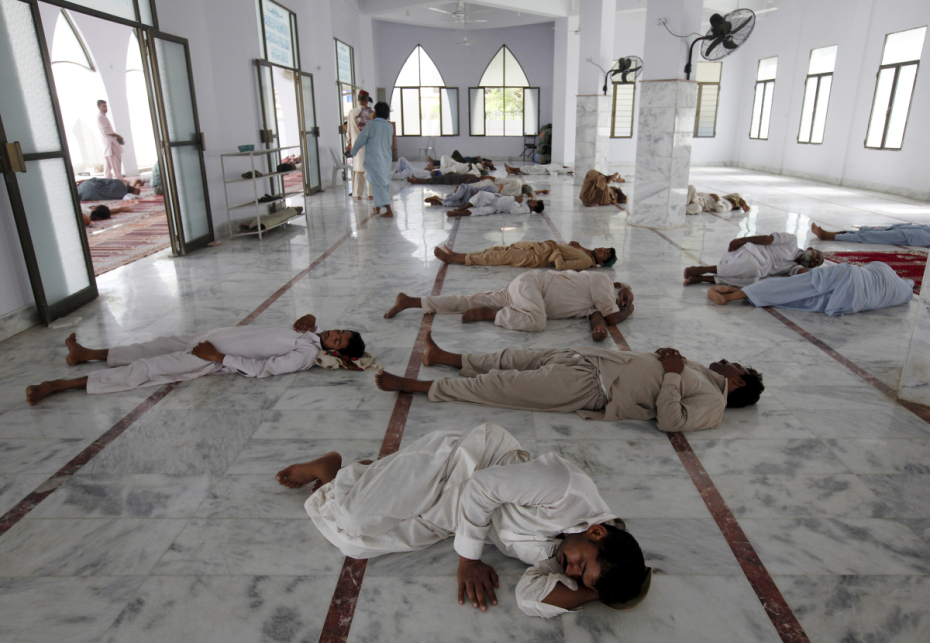
The Pakistani city of Karachi is struggling under severe heat and humidity as the country enters a prolonged heatwave period. The Pakistan Meteorological Department (PMD) has warned of above-normal temperatures across much of the country between 7 and 12 June.
While several regions in Khyber Pakhtunkhwa, Punjab and Gilgit-Baltistan are expected to experience temperatures well above seasonal averages, Karachi's coastal location has not spared it from dangerous conditions, with high humidity significantly increasing the perceived temperature.
Dangerous levels of heat
In Karachi, temperatures have recently reached around 36–40°C, but humidity levels of more than 60% have pushed the feels-like temperature to as high as 48°C, according to meteorological readings.
Officials said south-westerly winds of around 21 km/h offered limited relief, while humidity remained persistently high, intensifying discomfort for residents.
The Met Office expects maximum temperatures in the city to remain around 36°C in the coming days, although humidity levels could exceed 70%, maintaining hazardous heat index conditions.
Coastal city under pressure
Karachi, typically moderated by sea breezes from the Arabian Sea, has repeatedly experienced extreme heat in recent years. The city has previously recorded temperatures above 44°C during heatwaves, with meteorologists warning that even hotter conditions may still lie ahead.
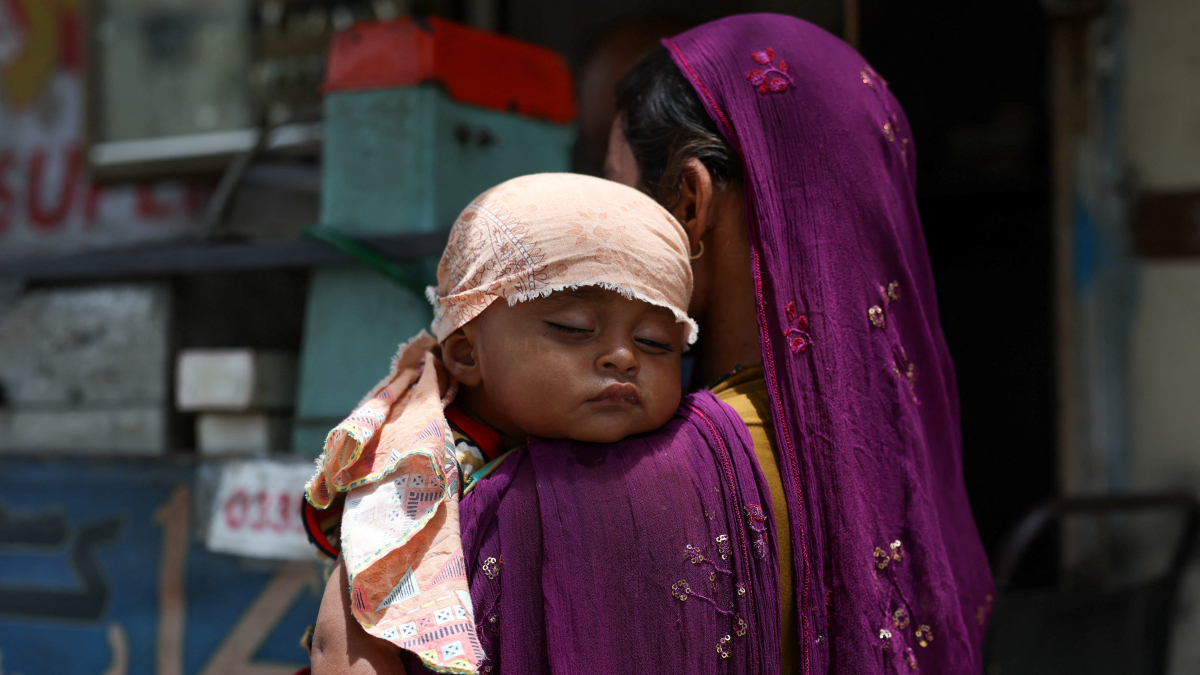
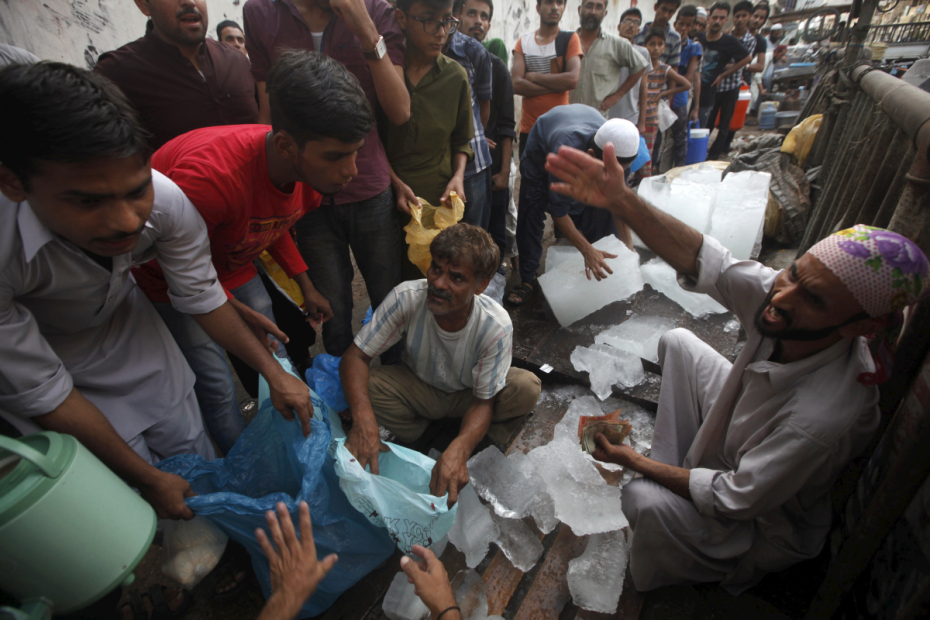
The impact has been particularly severe in coastal and low-income communities, where prolonged power cuts and water shortages have compounded the effects of extreme temperatures.
In settlements such as Ibrahim Hyderi, residents report worsening living conditions during peak heat periods, with memories of the catastrophic 2015 heatwave still shaping local fears about future summers.
Pakistan's 2015 heatwave was one of the deadliest climate disasters in the country's history, with Karachi at the epicentre of the crisis. The death toll is estimated to have reached several thousand.
The worst impacts were seen in Karachi's densely populated, low-income neighbourhoods, where access to cooling and clean water was limited.
National heatwave alert
The broader heatwave warning issued by the PMD covers multiple regions, with temperatures expected to reach up to 46°C in parts of Khyber Pakhtunkhwa and 43°C in Karachi between 8 and 12 June.
The department has also warned of dust storms in southern Punjab and Sindh, alongside rising night-time temperatures that may limit relief from daytime heat.
Looking ahead, the PMD forecasts below-normal rainfall and above-normal temperatures for the June–August period, influenced by shifting climate patterns, including El Niño conditions.
Climate experts say such extreme heat events are becoming more frequent, with the World Weather Attribution group finding that human-induced climate change has significantly increased the likelihood of heatwaves across the region.
Climate change effects
Researchers have warned that rising temperatures in Pakistan and neighbouring countries are part of a broader long-term trend linked to climate change and rapid urbanisation.
According to attribution studies, similar heat events would have been significantly cooler under pre-industrial conditions, underscoring the growing intensity of modern heatwaves and their increasing impact on vulnerable urban populations.



















What is your opinion on this topic?
Leave the first comment