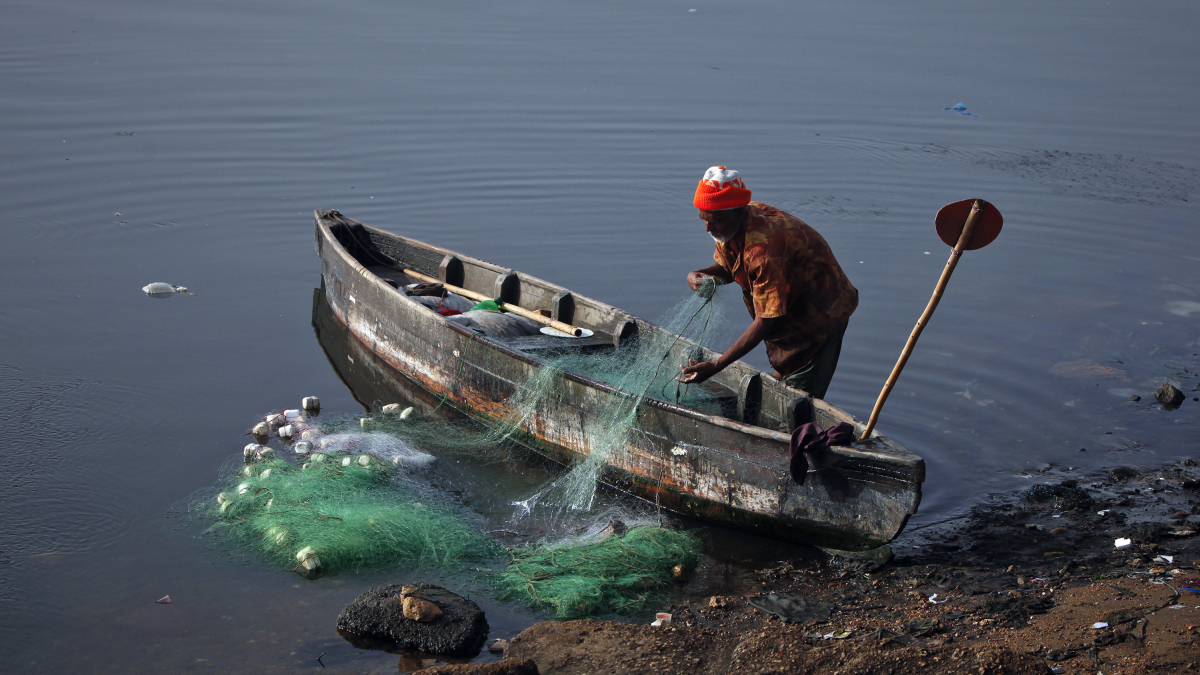
For fishermen along Pakistan’s southwestern coast, the consequences of the U.S.-Iran conflict are being felt far from the battlefield.
Balochistan, Pakistan’s largest province by area, lies in the country’s southwest, bordering Iran to the west and the Arabian Sea to the south. Along this coastline, fishing communities have long depended on nearby Iranian markets for part of their catch.
That trade is now close to a standstill.
Recent U.S. strikes on Iranian coastal areas have disrupted the movement of Pakistani fishing boats to Iranian ports, while the disruption of cross-border fuel supplies has made fishing more difficult and expensive.
Why Iran matters to Pakistan’s tuna trade
Pakistan’s Iran-bound tuna trade is small compared with its formal seafood exports. But for fishing communities along Balochistan’s coast, Iran has been a crucial market.
Pakistani fishermen harvest an estimated 50 to 60 tonnes of tuna and tuna-like species each year, most of which is sold directly to Iran.
The informal trade is estimated to be worth around $52,900 to $123,300 annually, based on prices of approximately $1.06 to $2.47 per kilogramme. These are industry estimates rather than official customs figures because much of the trade operates through informal channels.
The dependence is driven largely by price. Tuna can fetch six to seven times more in Iran than in Pakistan, while demand for the fish remains limited in Pakistan.
Iranian ports have become difficult to reach
The latest escalation has directly disrupted the route on which this trade depends.
Iranian ports including Konarak, Pasabandar and Beris, close to Pakistan’s Balochistan coast, have been important hubs for the fish trade.
But security concerns following attacks on Iranian coastal sites have led Pakistani boat owners to stop sending vessels there.
The risks have also reached fishing communities operating in and around Iranian waters.
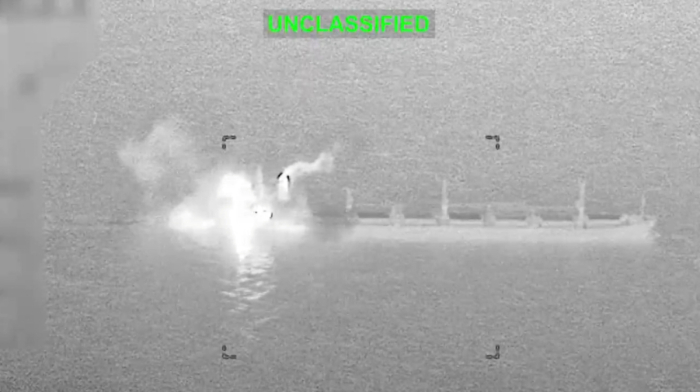
In July, three fishermen were killed and 15 injured in a U.S. strike on a commercial fishing pier in Iran’s southern Hormozgan province.
Earlier, in March, a 17-year-old Pakistani fisherman was killed after debris from an intercepted projectile struck his vessel in the Arabian Sea.
For fishermen operating close to a conflict zone, the danger now affects both their livelihoods and their access to the market.
Tuna and fuel are part of the same trade
The disruption is particularly significant because fish and fuel have traditionally moved in opposite directions across this border.
Pakistani fishermen have exchanged fish, including tuna, for Iranian petrol and diesel through an informal barter system. Iranian boats have collected fish from Pakistani fishermen offshore and at landing sites including Gwadar and Jiwani.
With cross-border supplies disrupted, fishermen face a double pressure: fewer buyers for their catch and higher costs to go to sea.
Earlier reporting put Iranian fuel at around $0.53 per litre, rising to approximately $0.63 to $0.70 after supplies were disrupted.
A small tuna trade within a much larger seafood industry
The Iran-bound tuna trade represents only a fraction of Pakistan’s wider seafood industry.
Pakistan’s Ministry of Maritime Affairs says exports of fish and fish preparations reached a record $568 million in fiscal year 2025–26.
In the first six months of FY2025–26, Pakistan exported 122,629 tonnes of seafood worth $253.24 million, up 19.1% in volume and 21.6% in value from the same period a year earlier.
The contrast matters.
Pakistan has a sizeable formal seafood export industry serving international markets. But along its western coastline, part of the fishing economy remains heavily dependent on an informal trade with neighbouring Iran.
The impact spreads along Balochistan’s coast
Balochistan has an approximately 770-kilometre coastline along the Arabian Sea.
Its fishermen contribute an estimated 340,000 tonnes of catch annually, with a market value of about $70.1 million. More than 16,000 registered boats and around 6,000 smaller unregistered boats operate in the province, supporting tens of thousands of families.
The disruption therefore extends beyond tuna.
When boats remain ashore, fish traders, transporters, ice factories, processors and boat mechanics also lose business. Limited cold-storage facilities make it harder to preserve catches or redirect them to alternative markets.
The wider coastal economy is consequently absorbing the shock of a conflict that is being fought elsewhere.
A regional war reaching Pakistan’s fishing boats
The value of the Iran-bound tuna trade may be modest in Pakistan’s overall export numbers.
Its significance lies in what it reveals.
For fishermen on Pakistan’s Arabian Sea coast, the U.S.-Iran conflict is no longer a distant geopolitical confrontation. It has closed a market, disrupted a fuel route and put a familiar maritime corridor at risk. The longer the conflict continues, the further its economic consequences could spread beyond the battlefield.
Read more













What is your opinion on this topic?
Leave the first comment