Soaring temperatures across Europe have broken records in Portugal and sparked heat alerts in Italy and France, affecting events including the French Open tennis tournament.
Portugal recorded its hottest May day on Wednesday, with temperatures reaching 40.3°C in the central town of Mora, surpassing the previous record of 40°C in May 2001.
The Portuguese meteorological office predicts parts of the country will peak above 40.3°C on Friday before conditions gradually ease.
France grapples with heat and school disruptions
French ministers convened to assess the nation’s preparedness for extreme heat, focusing on forest fire prevention and water supply management.
17 departments, including Paris, are under an orange alert, urging citizens to exercise caution. Temperatures in Paris reached 33°C on Thursday, and are expected to rise to 34°C over the weekend. Authorities have introduced traffic measures and a single fare for public transport to ease the impact.
Some schools have struggled with indoor temperatures. In Souston, a primary school hit 53°C inside, forcing a closure. Despite the heat, baccalaureate exams are continuing, with Education Minister Édouard Geffray ensuring exam centres can use the coolest rooms. Teachers and unions have voiced concern about conditions, reporting temperatures above 30°C in many schools.
Italy issues red alerts
Italy issued its first red heatwave alerts of the year in Rome, Florence, Bologna, Brescia, and Turin. Temperatures in the capital reached 32°C on Thursday, warning of “possible negative effects on the health of healthy, active people.”
Tennis world number one Jannik Sinner withdrew from the French Open after experiencing dizziness and exhaustion in the heat. He described it as “a tough spot” but stressed it was not due to the weather.
Spain, Germany, and Switzerland also affected
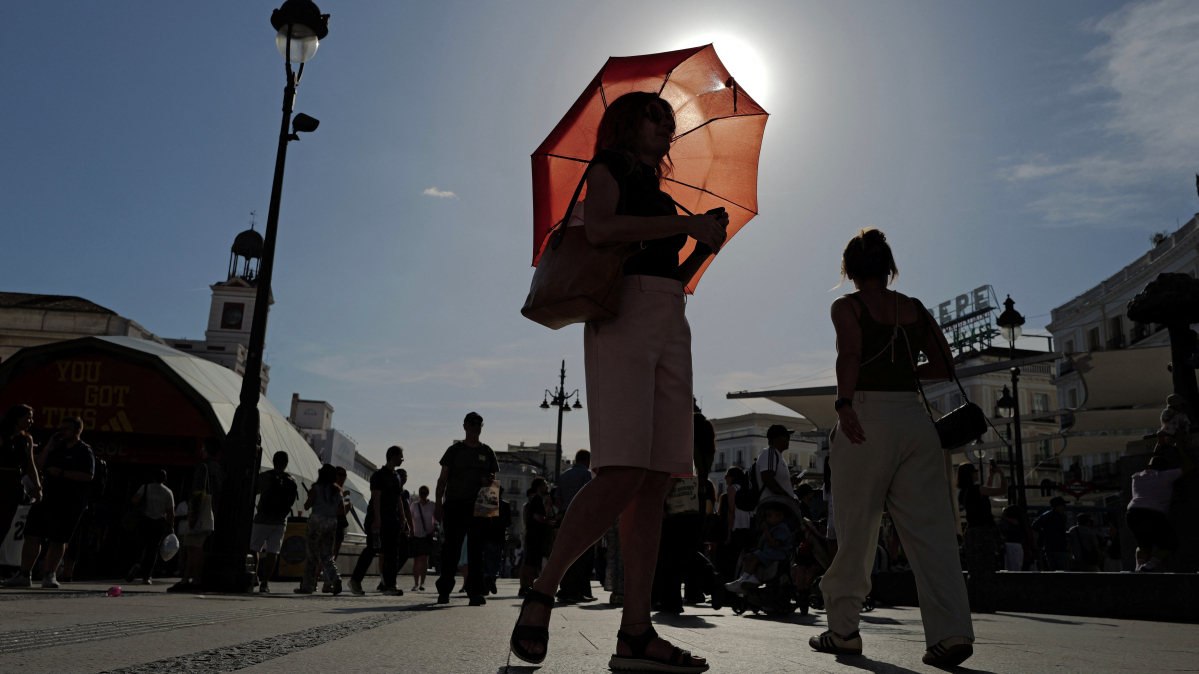
Madrid is expected to see temperatures climb to 35°C over the weekend, while Germany and Switzerland have experienced unusually hot conditions. Spain’s meteorological office notes that current temperatures are more typical of July or August.
Cause and climate context
The immediate cause of the heatwave is a “heat dome”, a high-pressure system that traps warm air beneath it.
Scientists caution that while single events cannot be directly linked to climate change, the warming trend in Europe – 0.56°C per decade over the past 30 years, makes such heatwaves more frequent and severe.
The UN warned that global average temperatures are likely to remain at or near record levels for the next four years, with the 11 hottest years on record all occurring since 2015. A new “hottest-ever year” is considered likely before 2031.















What is your opinion on this topic?
Leave the first comment