The Japanese yen strengthened on Monday after Japan and the United States confirmed a rare coordinated currency intervention to halt the currency's slide following weeks of pressure.
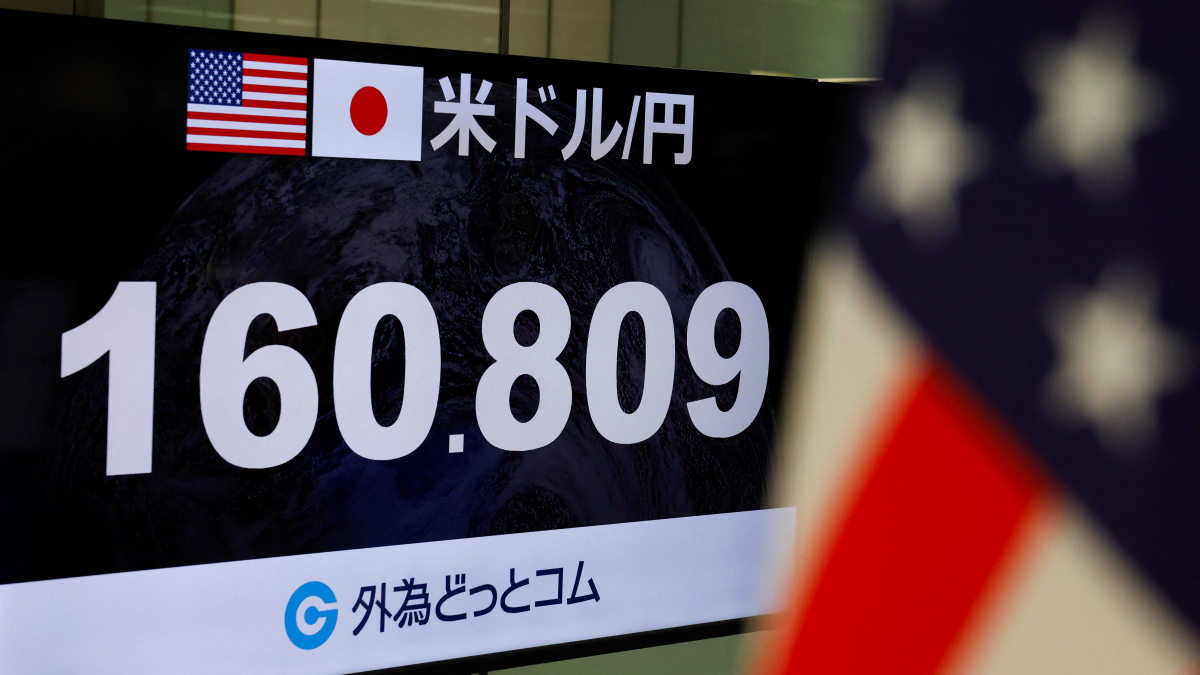
Japan's Finance Ministry said Tokyo and Washington had conducted coordinated yen-buying intervention and would not hesitate to take further action if needed. The announcement followed a sharp move in the currency, with the yen strengthening 0.5 per cent to 156.47 yen per dollar.
The confirmation came a day after U.S. President Donald Trump said Washington was helping Japan support the yen "as a sign of friendship" and to bolster the global economy.
"They have a weakening yen, and they wanted a little bit of help. And we're always there for Japan," Trump said.
Markets focus on policy outlook
U.S. Treasury Secretary Scott Bessent said Washington was considering increasing the size of the Federal Reserve's repurchase facility in the coming months, describing it as an "important backstop" for providing temporary dollar liquidity.
Analysts said confirmation of joint intervention was likely to have a stronger impact than Japan's previous unilateral efforts, which provided only temporary support for the currency.
The yen had traded near a 40-year low of 163.99 yen per dollar in recent weeks, with investors maintaining large bearish positions against the currency.
Rate hike expectations grow
The coordinated intervention and renewed calls from Bessent for higher Japanese interest rates also sharpened expectations that the Bank of Japan could tighten monetary policy again.
Japan's two-year government bond yield, which is highly sensitive to interest-rate expectations, briefly climbed to 1.545 per cent on Monday, its highest level since 1995, as markets priced in the possibility of an early rate hike.
Analysts cautioned that while the intervention had boosted the yen, a sustained recovery would depend on changes in underlying economic fundamentals and monetary policy.
Read more:



















What is your opinion on this topic?
Leave the first comment