Uzbekistan plans joint customs checks with Kazakhstan and Kyrgyzstan
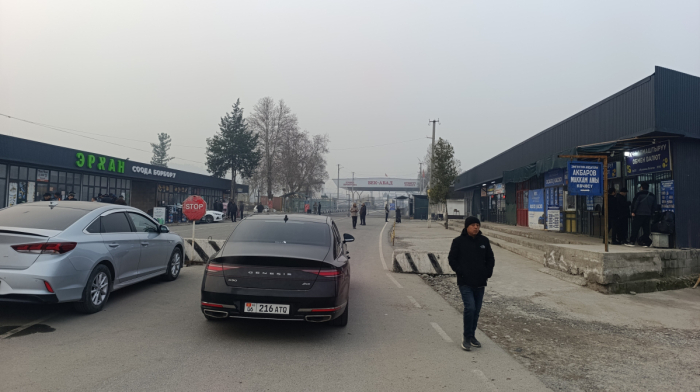
Uzbekistan is in talks with Kazakhstan and Kyrgyzstan over a joint customs system aimed at cutting border delays and speeding up freight transport....
Iran's Oil Minister Mohsen Paknejad has resigned, with Hamid Bovard, chief executive of the state-owned National Iranian Oil Company (NIOC), appointed as acting oil minister, according to Iranian state media.
State media reported on Sunday that President Masoud Pezeshkian had accepted Paknejad's resignation, which it stated was for personal reasons; no further details have been provided regarding the reason for his resignation.
“With acceptance of Mohsen Paknejad's resignation by Dr Pezeshkian, Hamid Bovard has been appointed as acting oil minister,” state media quoted an official in the president's office as saying.
Paknejad had served as Iran's oil minister since August 2024, overseeing the energy sector of the OPEC member state during a period marked by economic challenges and geopolitical tensions.
His resignation comes as Iran faces mounting economic pressure from its seven-month conflict with the United States. The war has weighed heavily on the country's economy, with rising costs affecting businesses and households alike.
Just hours before news of his resignation emerged, Paknejad had sought to reassure the public about Iran's oil revenues.
“Revenues of the oil that we have sold are still coming and that will continue, God willing,” he was quoted by state media as saying.
Bovard, who currently leads the National Iranian Oil Company, will oversee the ministry on an interim basis until a permanent successor is named.
The oil sector remains a critical source of revenue for Iran, whose economy continues to grapple with the impact of conflict, sanctions and broader regional instability.
No further details have been provided regarding the circumstances surrounding Paknejad's resignation.
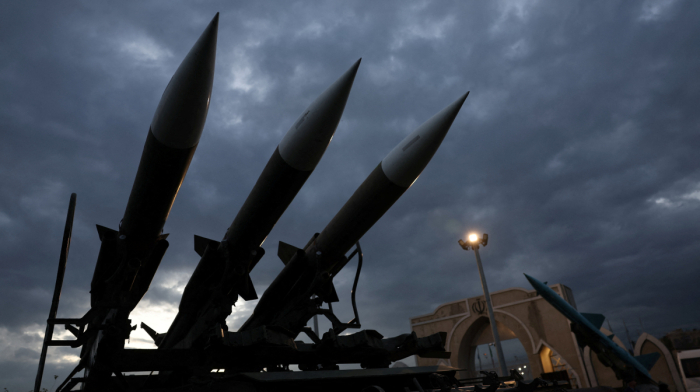
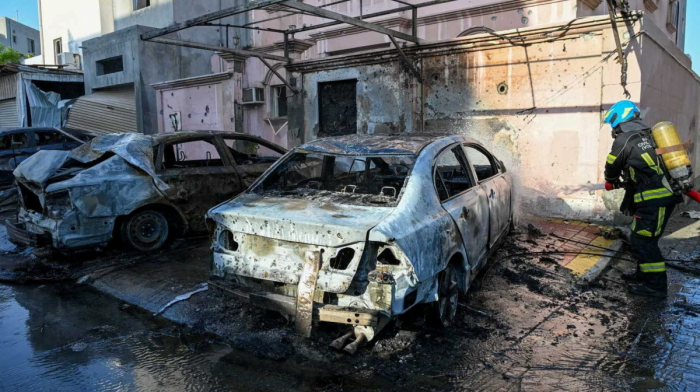
Saudi Arabia said it intercepted two Houthi ballistic missiles targeting Riyadh and three drones in its oil-rich Eastern Province on Sunday (15 November), as Iran's Revolutionary Guards claimed separate attacks on a U.S. military facility in Bahrain.
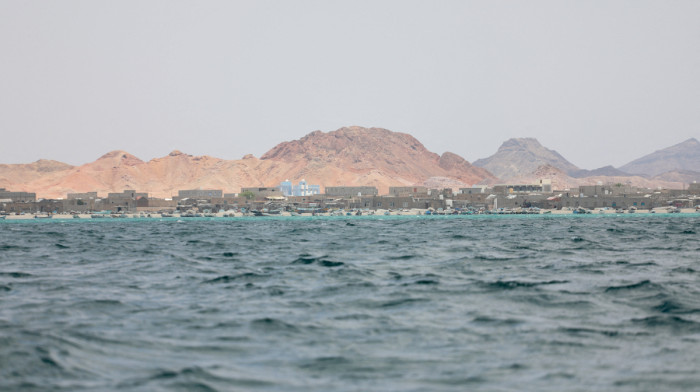
Yemeni forces fighting for the internationally recognised Saudi-backed government said on Sunday that they were withdrawing from an area overlooking the strategic Bab el-Mandeb Strait, leaving the Iran-aligned Houthis in control.
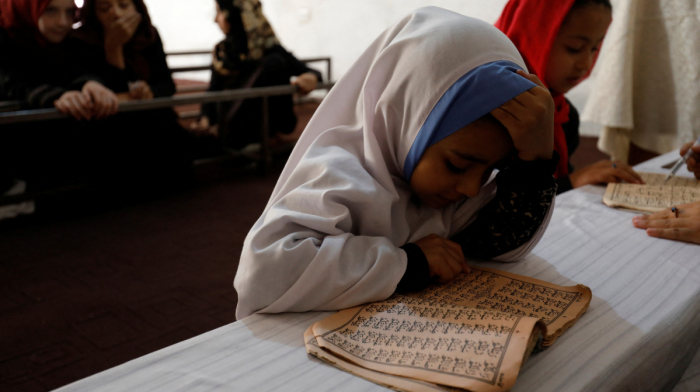
Afghanistan’s Ministry of Education has challenged a United Nations report on access to education, saying its findings do not reflect the full picture of the country’s education system.
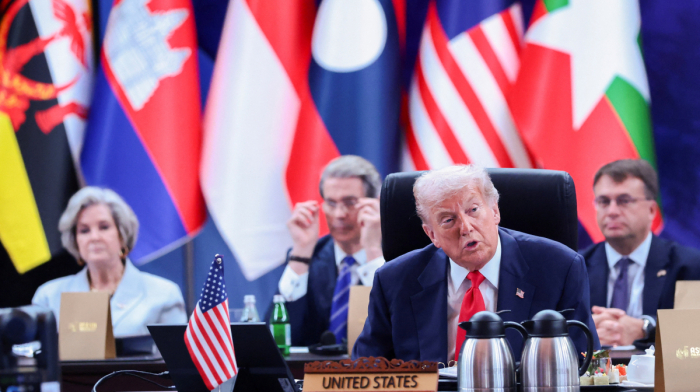
U.S. President Donald Trump is expected to arrive in Manila on Tuesday, 17 November, for a special summit with Southeast Asian leaders, as Washington seeks to strengthen regional economic and security ties amid trade tensions and growing competition with China.
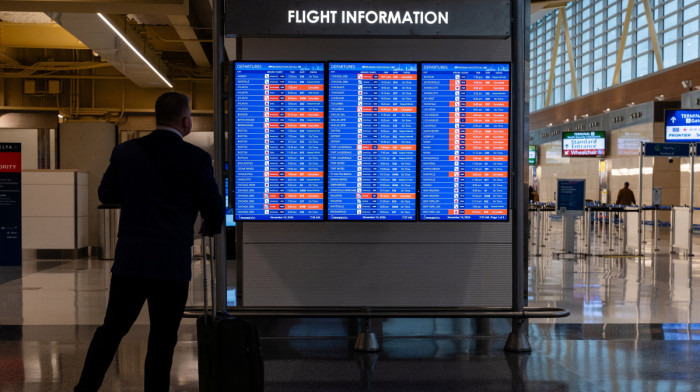
U.S. air travel is not expected to return to normal schedules until late on Sunday (15 November), the head of the FAA said, as the aviation system gradually recovers from a nationwide flight shutdown that officials blamed on routine maintenance gone awry.
Uzbekistan is in talks with Kazakhstan and Kyrgyzstan over a joint customs system aimed at cutting border delays and speeding up freight transport. The proposed ‘One Stop’ system would eliminate duplicate inspections and simplify procedures at selected crossings.
Bahrain has sentenced dozens of people, most of them Shia Muslim clerics, to life in prison over an alleged plot involving Iran’s Revolutionary Guards to overthrow the government, as rights groups raise concerns about torture and coerced confessions.
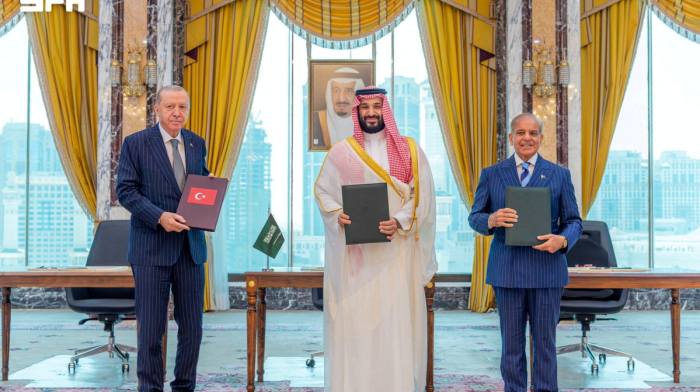
Türkiye has brought a trilateral defence pact with Pakistan and Saudi Arabia into force and signed a separate agreement with Qatar, as Ankara moves to strengthen its regional security partnerships.
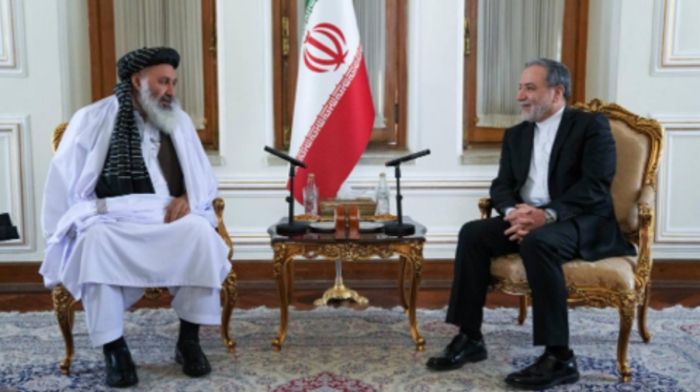
Afghanistan and Iran agreed to expand border facilities and operate customs around the clock during talks in Tehran on Sunday (15 November) between Afghan Finance Minister Mohammad Nasir Akhund and Iranian Foreign Minister Abbas Araghchi, as both countries seek to increase trade.
Gulf air defences have intercepted thousands of missiles and drones, but dwindling interceptor stocks are raising questions about how long that protection can last. New military agreements and closer regional cooperation could help, but significant gaps remain.
You can download the AnewZ application from Play Store and the App Store.
What is your opinion on this topic?
Leave the first comment