Peace only reliable guarantee of Armenia's security - Armenia
Peace is Armenia’s only reliable guarantee of security, Armenian Prime Minister Nikol Pashinyan has said in comments in Dublin, where he also...
Peace is Armenia’s only reliable guarantee of security, Armenian Prime Minister Nikol Pashinyan has said in comments in Dublin, where he also commented that the Russian-led Collective Security Treaty Organisation (CSTO) alliance had failed to fulfil its obligations towards Yerevan.
“From our perspective, there can be one reliable security guarantee: peace,” Pashinyan told an audience at international affairs think tank, the Institute of International and European Affairs, according to Armenian state news agency, Armenpress.
Pashinyan said his government was concentrating on building upon peace agreed with Azerbaijan at a summit hosted by U.S. President Donald Trump in August 2025.
“That is why we are now focused on peace with Azerbaijan, in order to further strengthen and institutionalise the peace that has already been established,” Pashinyan said.
He added that the CSTO had failed to honour its security commitments during Azerbaijan’s military operation in Garbagh in 2022.
“This meant the collapse of our understanding of the security provided by the CSTO,” Pashinyan said.
Armenia formally froze its participation in the alliance in 2024 and has not paid membership fees since.
The CSTO was established in 2022, building on a 1992 collective security treaty between former Soviet states. Its members are Russia, Belarus, Kazakhstan, Kyrgyzstan, Tajikistan and Armenia.
On Wednesday (11 November), the CSTO stripped Armenia of its voting rights for failing to pay membership fees for more than two years.
CSTO Secretary-General Taalatbek Masadykov said the decision didn’t mean Armenia’s membership had been cancelled.
“As soon as it decides to settle its dues, Armenia can be reinstated.” Masadykov said.
In Dublin, Pashinyan stressed he had no intention of loosening ties with Russia, announcing three scheduled visits to the country for talks in December.
“I have been to the European Union three times. In December, I will be in Russia three times – three visits,” he said, according to Armenpress.
“Our goal is not to undermine our relations with Russia. We do not want to create problems for Russia,” Pashinyan added.
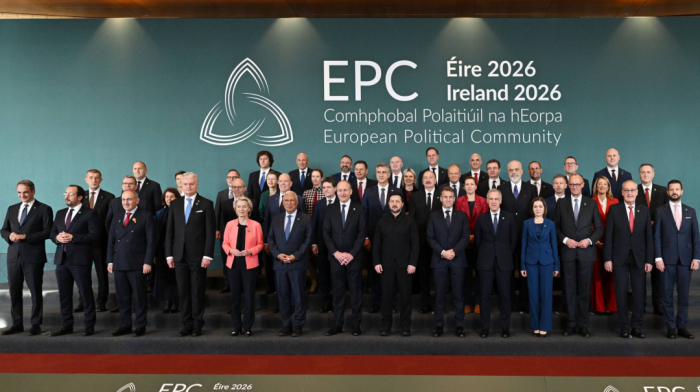
European leaders gathered in Dublin on Thursday, 12 November, for the ninth European Political Community (EPC) summit, with security, defence and energy high on the agenda. Azerbaijani President Ilham Aliyev held talks focused on peace, trade and regional cooperation.
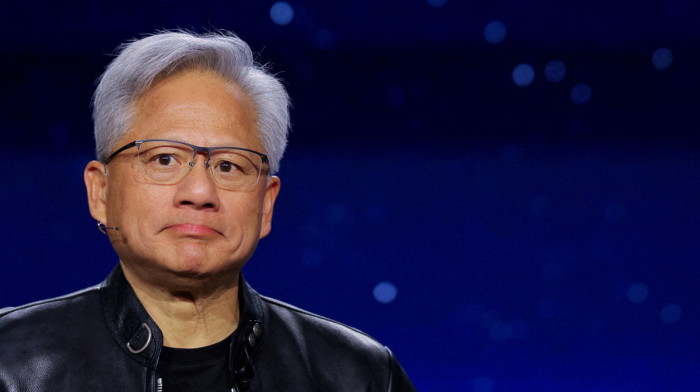
Nvidia chief executive Jensen Huang is stepping down amid reports linking him to a woman suspected by U.S. authorities of spying for China, throwing the future of the $4 trillion chipmaker into uncertainty.
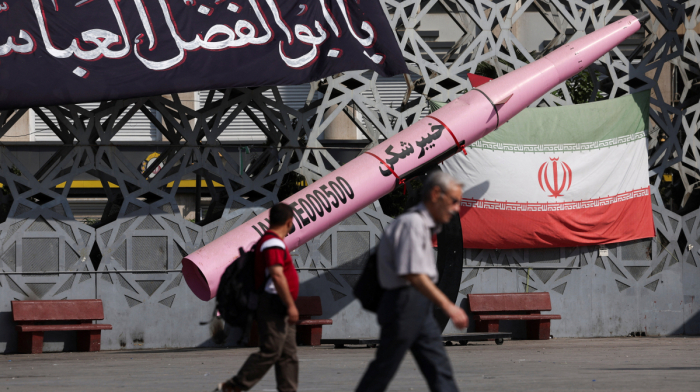
Iran’s Assembly of Experts has backed withdrawing from the Nuclear Non-Proliferation Treaty (NPT) and overhauling the country’s defence doctrine, calling both steps essential to national security and deterrence.
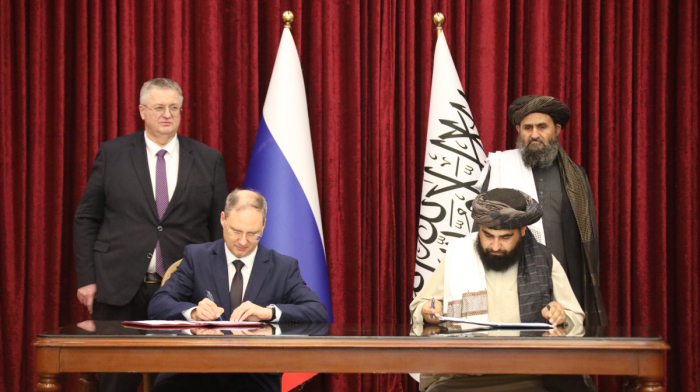
Afghan and Russian businesses signed 15 trade agreements worth $103 million in Kabul on Thursday during a visit by Russian Deputy Prime Minister Alexei Overchuk, Afghanistan’s government said.
President Vladimir Putin agreed on Thursday to let European representatives join the next round of Ukraine peace talks while the United States continues to work towards what could become the largest prisoner exchange of the Russia-Ukraine war.
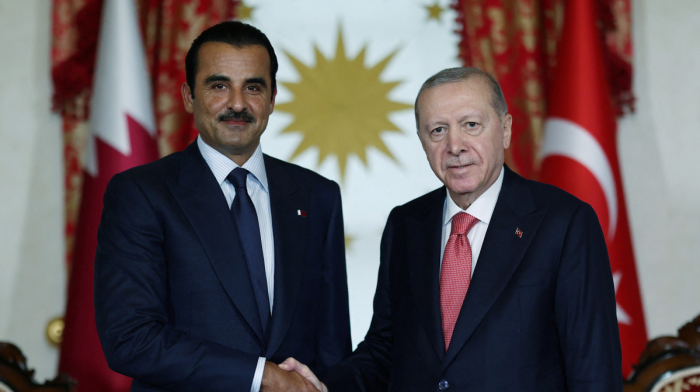
Türkiye and Qatar signed a mutual defence agreement on Friday, November 13, aimed at strengthening collective security and regional stability. The two countries pledged to take a united stance against any external armed attack on either nation.
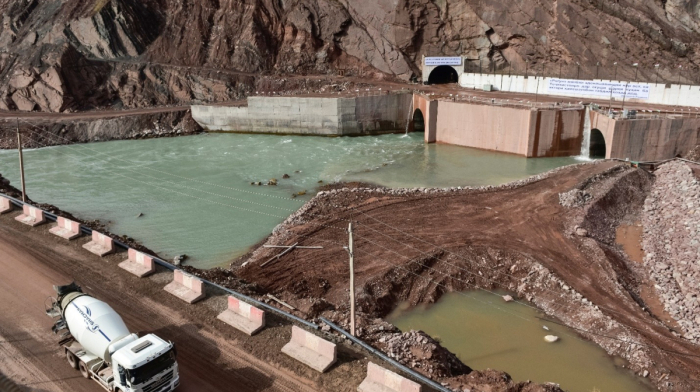
As Central Asia expands its hydropower infrastructure and high-rise construction, seismologists are examining whether large mountain reservoirs could influence earthquake activity. The question is particularly pressing in a region where major cities lie close to active tectonic faults.
As artificial intelligence (AI) becomes part of everyday life, languages with smaller speaker communities risk being left behind. Georgian, spoken by around four million people worldwide, is facing a digital challenge: making sure it is understood by the machines shaping how the world communicates.
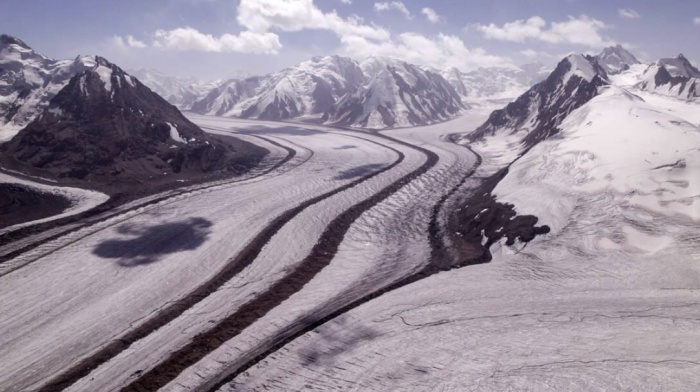
Tajikistan has urged the international community to increase funding to protect shrinking glaciers and help mountain communities adapt to climate change at the COP31 UN climate summit in Antalya, Türkiye.
Melting glaciers, recurring droughts and dust storms are putting growing pressure on Central Asia’s water resources, agriculture and public health.
You can download the AnewZ application from Play Store and the App Store.
What is your opinion on this topic?
Leave the first comment