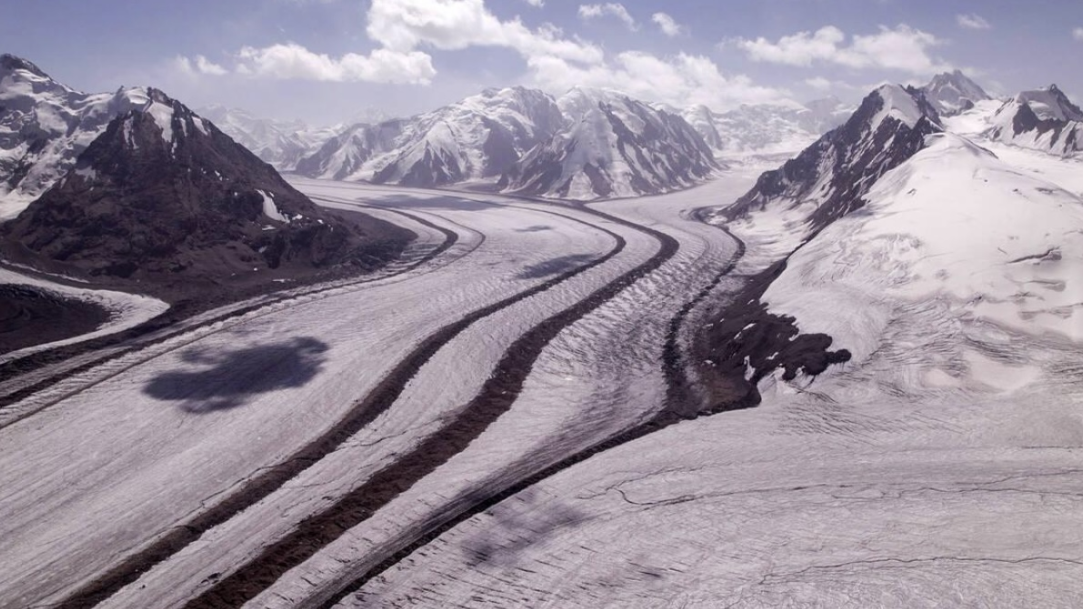
Tajikistan has urged the international community to increase funding to protect shrinking glaciers and help mountain communities adapt to climate change at the COP31 UN climate summit in Antalya, Türkiye.
The appeal comes as concerns mount over water security across Central Asia, where millions depend on rivers fed by mountain glaciers.
Countries push for climate funding
Tajikistan co-organised high-level talks with Kyrgyzstan, Nepal, Pakistan and Bhutan, calling for long-term climate funding, stronger scientific research and better glacier monitoring and early-warning systems.
Representatives from UNESCO and the Asian Development Bank joined the discussions, which focused on tackling mounting environmental threats to mountain regions.
Record glacier losses threaten water supplies
The stakes are particularly high in Central Asia, where glacier-fed rivers are vital to drinking water supplies, agriculture and hydropower.
A study published in Environmental Research Letters in May 2026 found that the region lost nearly 2 per cent of its remaining glacier ice in 2025, marking the largest annual loss on record.
More than 1,000 glaciers have disappeared in Tajikistan alone in recent decades, according to the UN Environment Programme.
The retreat poses a growing threat to long-term water security. While rising temperatures can initially increase river flows as ice melts, continued glacier loss could eventually lead to water shortages, particularly during dry summer months.
Scientists warn that shifting seasonal river flows could put additional strain on agriculture, which relies heavily on water from mountain catchments.
Calls for action but no new funding pledges
The talks ended with a renewed commitment to international cooperation on glacier protection and climate adaptation.
Participants stressed the urgent need for sustained financial support, but the meeting ended without any specific new funding commitments.
Read more:


















What is your opinion on this topic?
Leave the first comment