Apple Pay launches in Kyrgyzstan and Tajikistan, expanding cashless payments
Apple Pay has launched in Kyrgyzstan and Tajikistan, expanding digital payment services across Central Asia and supporting the region's shift towards cashless transactions.
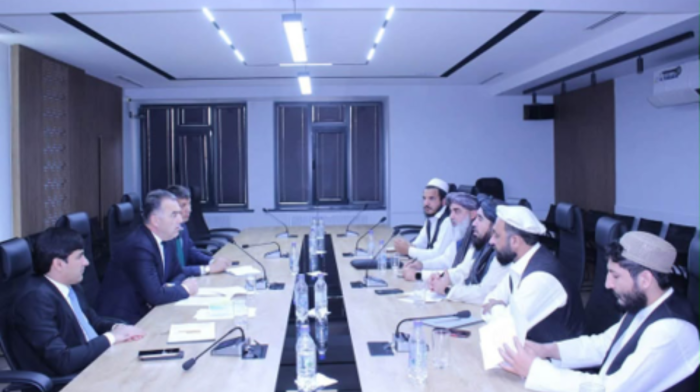
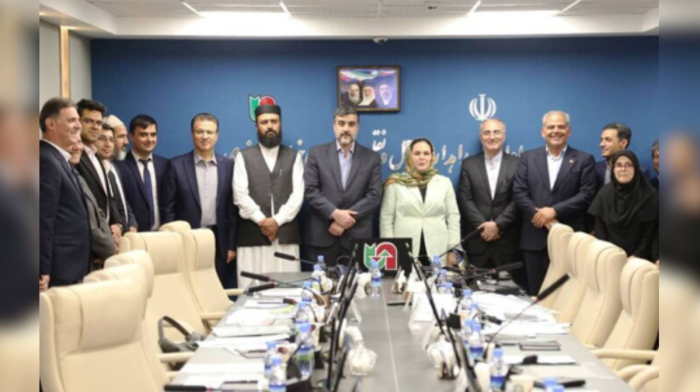
Afghanistan, Iran and Tajikistan have agreed to establish a road transport corridor through Afghanistan to boost regional trade and streamline the movement of commercial cargo. The agreement was reached during talks in Mashhad this week.
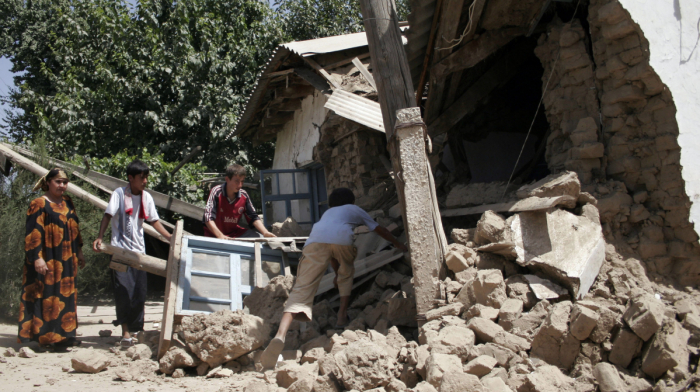
Natural disasters caused $5.7 million in damage across Tajikistan during the first half of 2026, as hundreds of avalanches and mudflows swept through the country, killing 12 people, according to government figures.
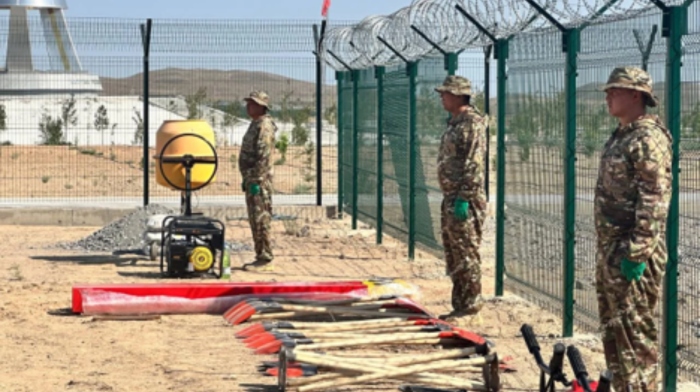
Kyrgyzstan and Tajikistan have begun installing the first border markers along their shared frontier, marking the start of the physical demarcation of a boundary that was disputed for decades before being formally settled under a landmark agreement signed earlier this year.
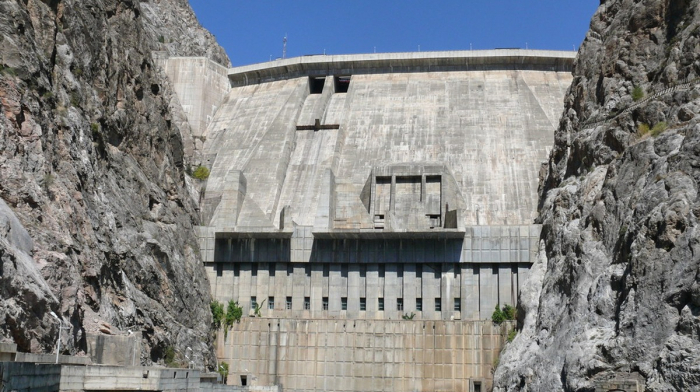
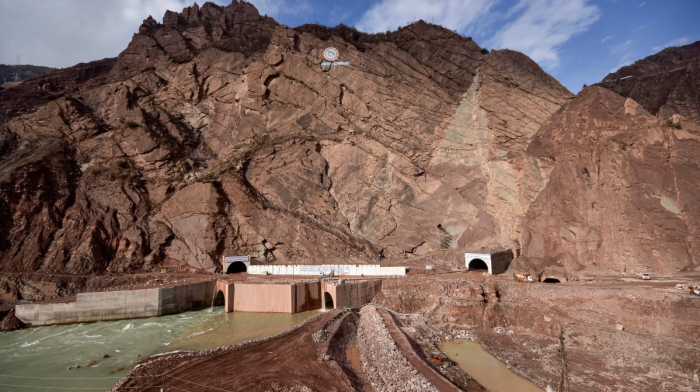
Tajikistan will reduce electricity exports and increase water reserves ahead of winter as the government seeks to improve domestic power supplies after last year’s seasonal shortages.
The Green Climate Fund has approved a $30 million climate adaptation project for Tajikistan to help 73,500 people strengthen food security, protect water resources and build more resilient rural livelihoods.
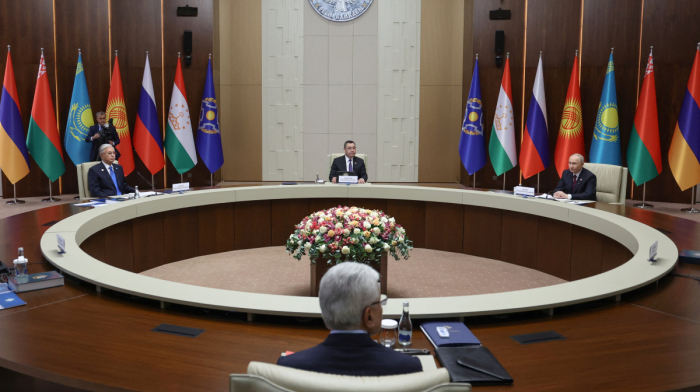
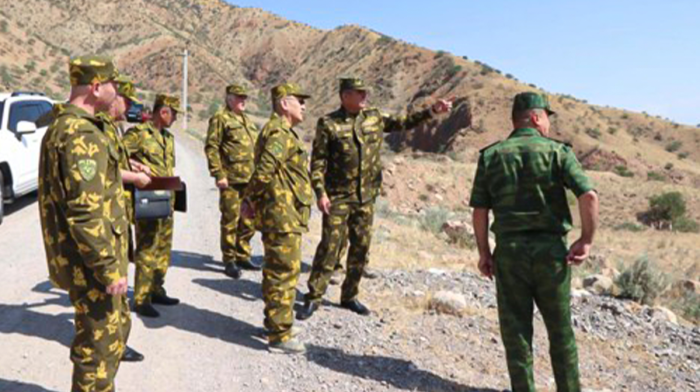
CSTO Secretary General Taalatbek Masadykov has inspected security along the Tajikistan-Afghanistan border as the regional bloc continues a long-term programme to strengthen one of Central Asia's most strategically important frontiers.
Tajikistan has strengthened its position as one of Central Asia’s fastest-growing economies. According to the European Bank for Reconstruction and Development (EBRD), the trend is supported by investment activity, industrial expansion and large-scale infrastructure projects.
The U.S. is deepening engagement with Central Asia on critical minerals as global competition for strategic resources intensifies. The issue dominated talks in Astana between Washington and the five Central Asian states.
Tajikistan is hosting the Fourth International Conference on the International Decade for Action “Water for Sustainable Development” from 25 to 28 May in Dushanbe, bringing together thousands of participants from governments, international organisations and financial institutions.
Tajik scientists have warned that glaciers in the Pamir Mountains are melting at an alarming rate, including in high-altitude areas previously considered relatively stable, following the country’s first direct winter glacier measurements since independence.
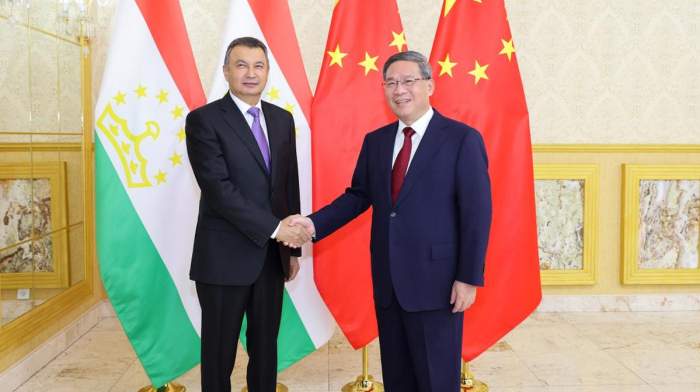
Tajikistan and China signed more than 50 agreements worth more than $8 billion during President Emomali Rahmon’s visit to Beijing, deepening economic ties and reinforcing China’s role as Tajikistan’s leading investor and creditor.
Samarkand is hosting the 59th Annual Meeting of the Asian Development Bank (ADB), where global leaders have gathered to discuss regional growth, as the bank unveils a major $70 billion initiative to strengthen energy and digital connectivity across Asia and the Pacific.
Around 14% of Central Asia’s population - about 12 million people - are facing food shortages, according to the United Nations. The issue was a central focus at the Regional Environmental Summit in Astana.
More than 1,300 glaciers have disappeared in Tajikistan, President Emomali Rahmon has said, warning of growing strain on water resources across Central Asia.
Five Central Asian states are launching a $30 million programme to tackle water scarcity and land degradation, as climate pressures and rising demand sharpen risks across the region.
Kazakhstan has ratified an allied relations treaty with Tajikistan and a strategic partnership agreement with the United Kingdom, aiming to deepen regional cooperation and expand ties with a major foreign investor.
Russia and Tajikistan are discussing the construction of large-scale solar power plants with a total capacity of up to 500 megawatts. The initiative builds on a memorandum signed in 2025, with both sides now working on implementation details and potential locations for the facilities.
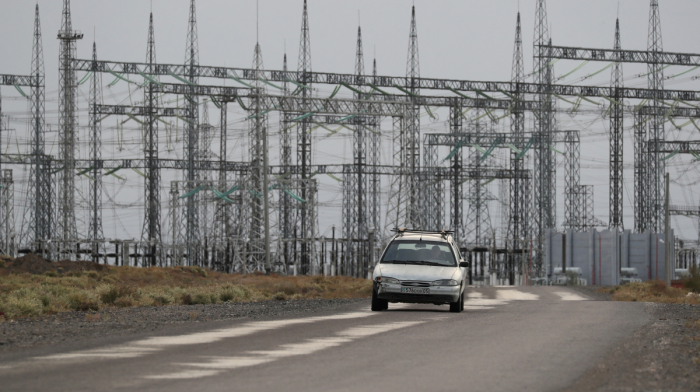
Central Asia’s energy systems are becoming increasingly vulnerable as countries depend heavily on single power sources while facing mounting climate pressures, a new report by the Eurasian Development Bank (EDB) warns.
China will finance the construction of nine border facilities in Tajikistan along the frontier with Afghanistan in a project worth more than $50 million aimed at strengthening the operational capacity of the country’s Border Troops.
Escalating tensions between Iran and the U.S. are raising economic concerns across Central Asia. Although the region lies far from the conflict, its economies remain closely tied to global energy markets and trade routes linked to the Persian Gulf.
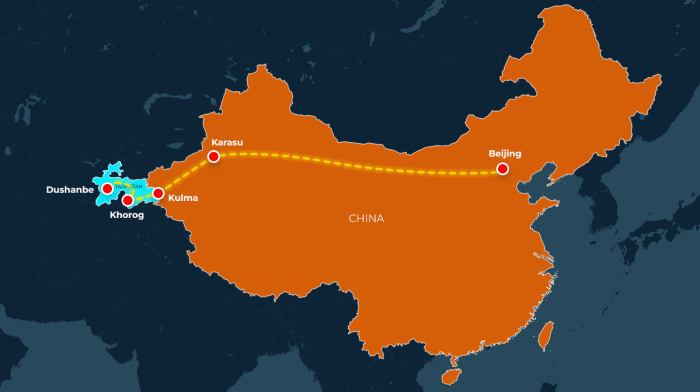
A new freight corridor linking China with Tajikistan via Kyrgyzstan and Uzbekistan has entered pilot operation, marking another step in Central Asia’s expanding transport connectivity.
Tajikistan has announced an unprecedented rise in dust storms. Over the past 12 months, meteorologists recorded 63 such weather events, lasting a total of 216 days, or almost 60 per cent of the year.
Trade turnover between Kyrgyzstan and Tajikistan reached $33.4m in 2025, almost three times higher than the previous year, according to data from Tajikistan’s Customs Service.
You can download the AnewZ application from Play Store and the App Store.