Afghanistan’s Foreign Minister Amir Khan Muttaqi spoke to his Tajikistani counterpart Sirajuddin Muhriddin regarding the recent security crisis along their shared border.
The conversation which took place via telephone call centred around the incident where more than five Chinese nationals were killed in two separate attacks last week.
The Afghan foreign minister Muttaqi stressed that both countries needed to reinforce trust and respond jointly to the emerging security threat.
Muttaqi condemned the killings of Chinese citizens on Tajik soil, calling the incident “a deliberate attempt by certain circles to harm the positive trend” in bilateral cooperation.
He added that Afghanistan was prepared to “strengthen border security, conduct joint investigations, and provide any kind of coordination”.
In a statement put out by the foreign ministry, Muhriddin recalled the “historical, cultural, and religious brotherhood ties” between the two nations and affirmed Tajikistan’s support for strengthening border coordination.
The statement added that he rejected “malicious groups that seek to worsen relations between the two countries”.
Both ministries confirmed that security committees would remain active, with regular contacts between border forces and technical teams.
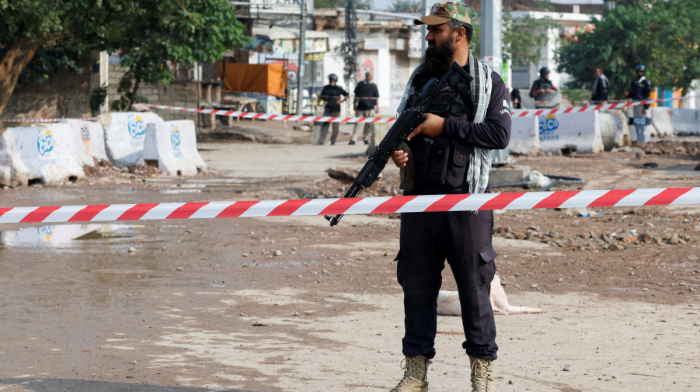
Tajik officials and the Chinese embassy have confirmed the deaths of more than five Chinese citizens in attacks near the Afghanistan–Tajikistan border, with five others wounded. China issued a warning to its companies and staff to leave the border area with Afghanistan.
Reuters has reported that Tajikistan is in discussions with Russia and the Moscow-led Collective Security Treaty Organization (CSTO) on possible joint patrols along the 1,344-kilometre frontier.
Kabul had earlier expressed sorrow “to the People’s Republic of China and the Republic of Tajikistan” and condemned the attacks, saying initial assessments pointed to “elements… seeking to create disorder, instability, and mistrust among the countries of the region”.
It said Afghanistan was ready to share information and conduct joint assessments once suspects were identified.
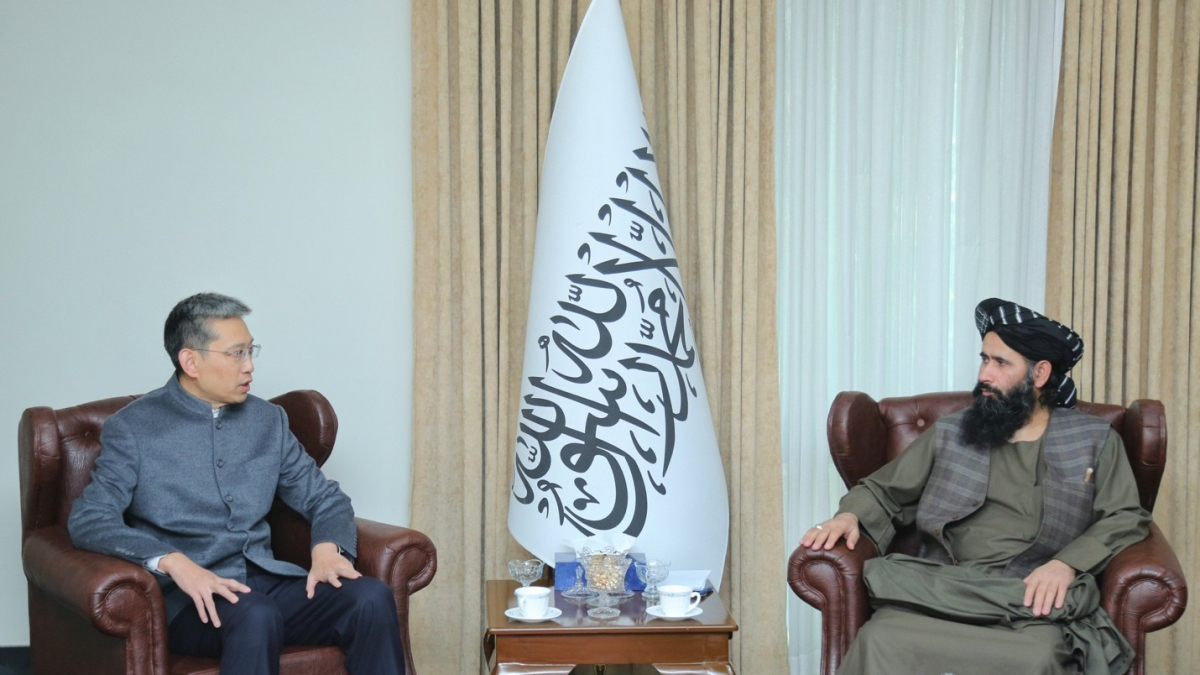
In a separate meeting earlier today in Kabul, Deputy Foreign Minister Dr Mohammad Naeem told China’s Ambassador Zhao Xing that investigations were continuing, describing the attackers as those who “seek to create distrust between countries”.
The ambassador welcomed Afghanistan’s response, saying the perpetrators aimed to damage China–Afghanistan relations.
With investigations ongoing and regional consultations expanding, both sides signalled that heightened cooperation will be crucial as Afghanistan, Tajikistan and their partners confront shared security threats along one of Central Asia’s most sensitive border areas.














What is your opinion on this topic?
Leave the first comment