Uzbekistan has expressed deep concern over the rapid escalation of tensions in the Middle East, urging restraint and diplomatic resolution as the conflict begins to affect civilian aviation and regional security.
Meanwhile, neighbouring Kyrgyzstan has opened a round-the-clock crisis headquarters to monitor the situation and assist its citizens abroad.
Uzbekistan calls for diplomatic resolution
The Ministry of Foreign Affairs of Uzbekistan issued an official statement expressing “serious concern” over the sharp deterioration of the situation in the Middle East, warning that further escalation could lead to unpredictable military, political and humanitarian consequences.
Tashkent called on all parties to exercise maximum restraint and avoid actions that could aggravate tensions. The ministry stressed that the crisis must be addressed strictly in accordance with international law through political and diplomatic means, including constructive and mutually acceptable dialogue.
Uzbekistan reaffirmed its commitment to strengthening regional stability and security and expressed hope for a swift normalisation of the situation.
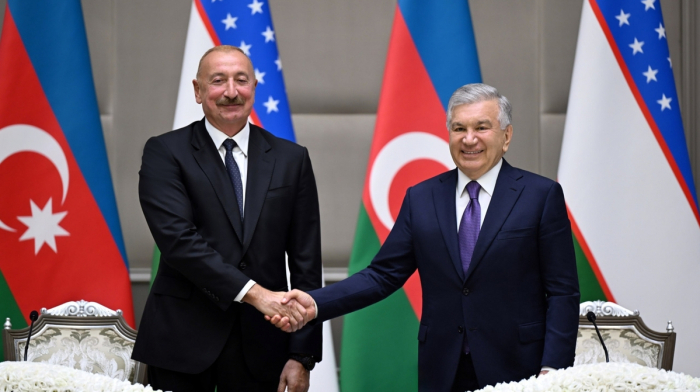
Against this backdrop, Uzbekistan’s foreign minister held telephone consultations with counterparts in Qatar, Kuwait, Oman, Jordan, Bahrain, Azerbaijan and the United Arab Emirates. During the discussions, the sides exchanged views on the evolving situation and reaffirmed their commitment to respecting sovereignty and resolving disputes through dialogue. Messages of support from the President of Uzbekistan were conveyed during the calls.
Flights disrupted and travel advisory issued
The escalating conflict has already disrupted air travel following the closure of airspace in several Middle Eastern countries.
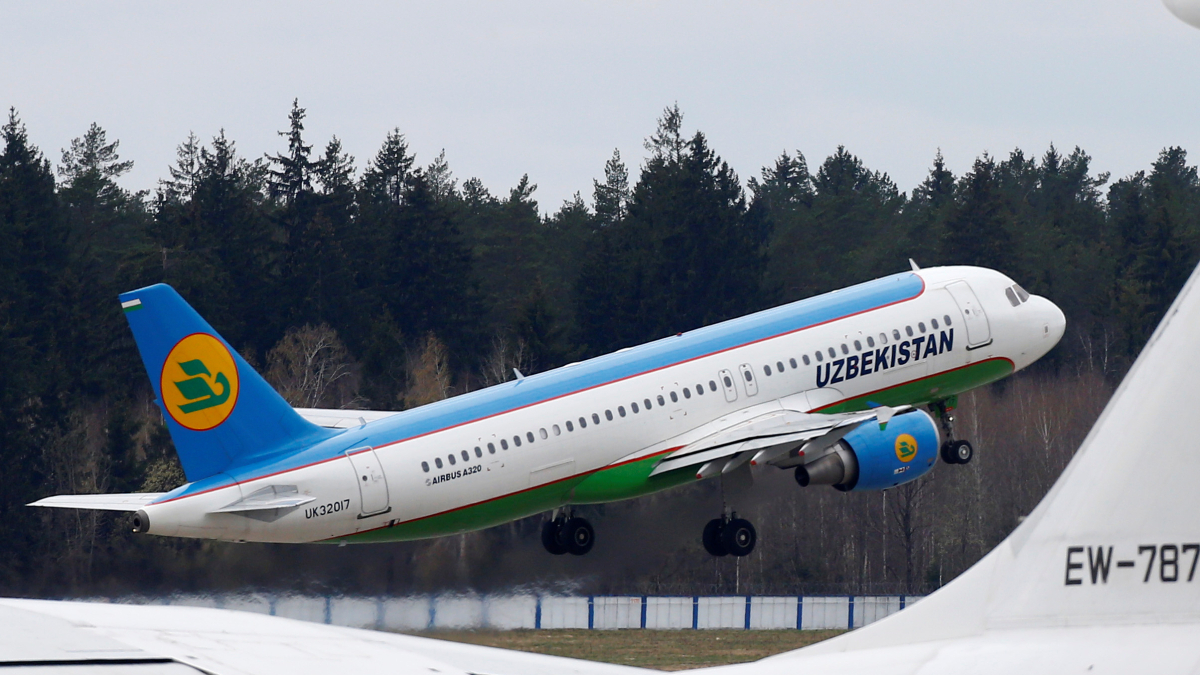
Uzbekistan Airways cancelled flights between Tashkent and Dubai, as well as Tashkent and Tel Aviv. Flights to Jeddah are operating via alternative routes for safety reasons, resulting in longer journey times.
Authorities have suspended departures for the Umrah pilgrimage until further notice. From 2 March, repatriation flights are being organised from Jeddah to return Uzbek pilgrims home.
The Foreign Ministry advised citizens to postpone non-essential travel to the Middle East and urged those currently in the region to remain in contact with diplomatic missions and follow safety instructions issued by local authorities.
Kyrgyzstan opens 24-hour emergency headquarters
In neighbouring Kyrgyzstan, the Ministry of Foreign Affairs established a special headquarters operating 24 hours a day in response to the crisis.
The Consular Department held an emergency meeting and established direct communication with embassies and consulates in the United Arab Emirates, Saudi Arabia, Kuwait, Qatar, Bahrain and Turkey. Officials reported no casualties among Kyrgyz citizens and said the overall situation remained stable in most Gulf states.
According to Consular Department Director Seytek Zhumakadyr uulu, Saudi Arabia’s airports remain open, although some flights are delayed, while the situation in Qatar is described as stable. WhatsApp groups have been set up to provide operational updates to citizens abroad. Consular staff are also assisting Kyrgyz nationals facing accommodation difficulties.
Regional impact
The escalation began on 28 February with U.S. and Israeli airstrikes on Iran, followed by retaliatory missile attacks by Tehran on U.S. military bases in the Gulf. Reports indicate that senior Iranian officials were killed in the strikes, intensifying regional tensions.
Airspace closures across parts of the Middle East have left tens of thousands of travellers stranded. Governments across Central Asia are closely monitoring developments, as further instability could affect energy markets, transport routes and regional trade.
Both Uzbekistan and Kyrgyzstan have emphasised diplomacy and restraint as the only viable path to de-escalation.











What is your opinion on this topic?
Leave the first comment