Russian airstrikes kill 26 in southeastern Ukraine ahead of Abu Dhabi talks next week
Russia airstrikes on a school used as a humanitarian aid distribution point in southeastern Ukraine's Zaporizhzhia region killed at least 26 pe...
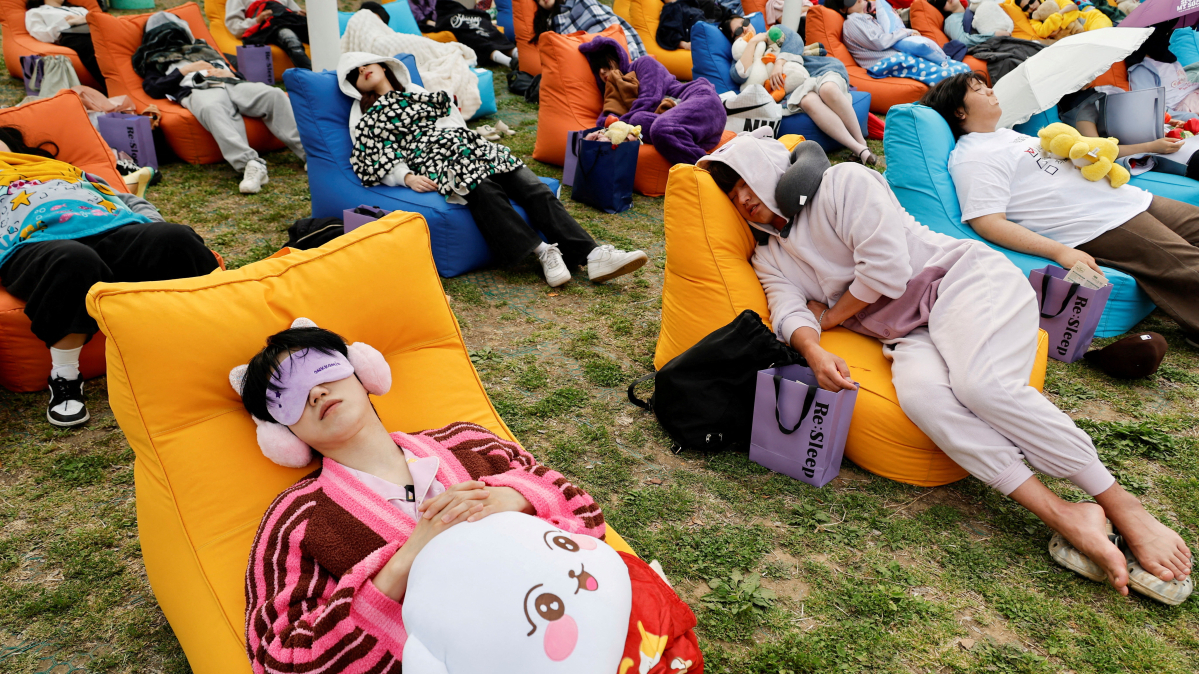
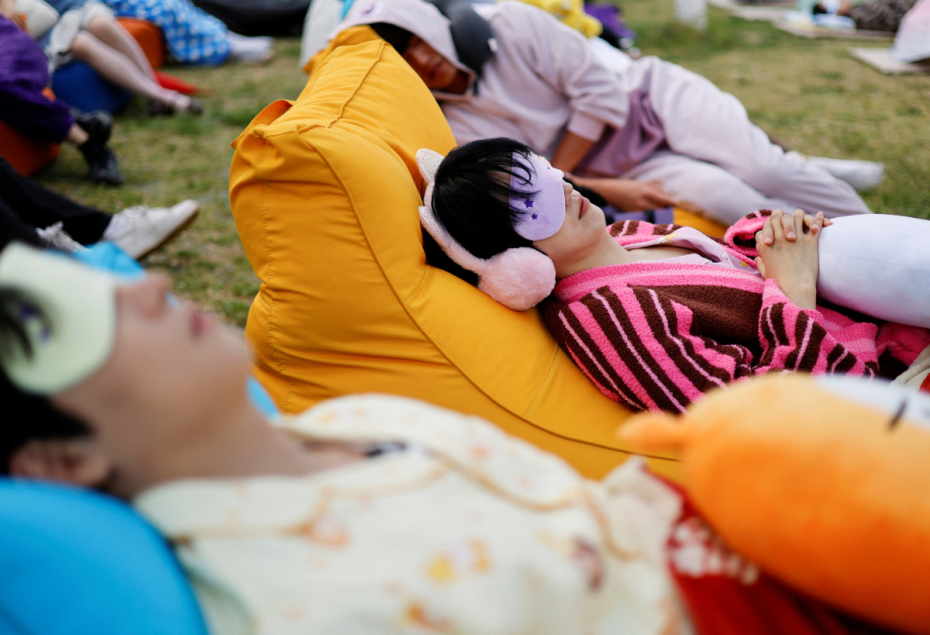
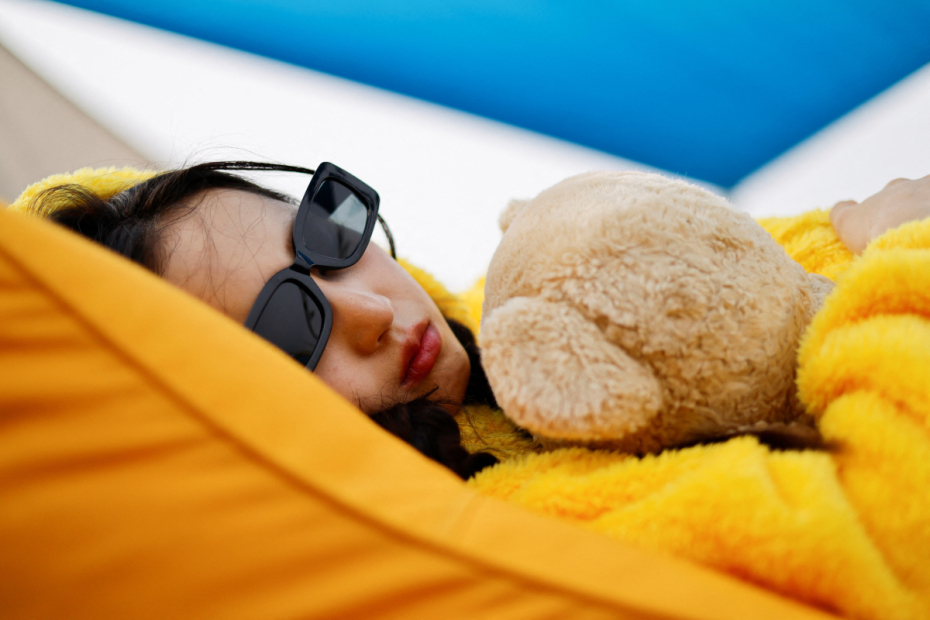
Hundreds of young people in South Korea have gathered in Seoul to take part in a city-backed “power nap contest”, aimed at drawing attention to the country’s chronic sleep deprivation.
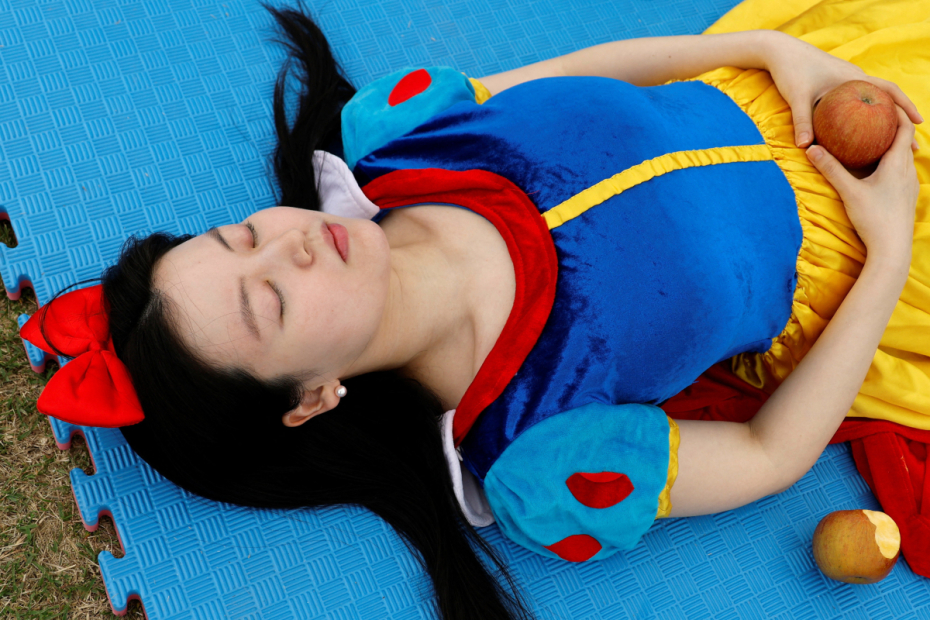
Held at a riverside park along the Han River, the event invited participants to do what many overworked residents rarely manage: sleep properly in public. The Seoul Metropolitan Government organised the third annual spring edition, which began at 15:00 local time (06:00 GMT), with entrants encouraged to arrive tired, well-fed and dressed in themed costumes.
Some participants wore elaborate outfits, ranging from traditional royal robes to animal-themed onesies, as they competed to demonstrate their “best sleep”.
“Between exam prep and part-time jobs, I survive on three or four hours of sleep a night,” said Park Jun-seok, a 20-year-old university student dressed in the silken crimson robes of a Joseon Dynasty king.
“I’m here to show off my napping skills, and to demonstrate exactly how a king sleeps.”
Another participant, 24-year-old English teacher Yoo Mi-yeon, wore a plush koala costume. “I’ve always suffered from insomnia, I struggle to fall asleep and wake up easily,” she said.
“Koalas are famous for their deep slumber. I came dressed as one hoping to borrow a little of their magic.”
As the contest began, participants lay down across the park wearing eye masks while officials monitored heart rates to assess who had achieved the most stable, restful sleep.
The event reflects a wider social issue in South Korea, which is consistently ranked among the most sleep-deprived countries in the OECD, with long working hours and intense academic pressure contributing to chronic fatigue.
This year’s winner was a man in his 80s.
A 37-year-old office worker, Hwang Du-seong, came in second, saying he had been exhausted from night shifts, long workdays and frequent driving for his job.
“I was completely drained, so when I saw the contest I was determined to sleep and recharge,” he said.
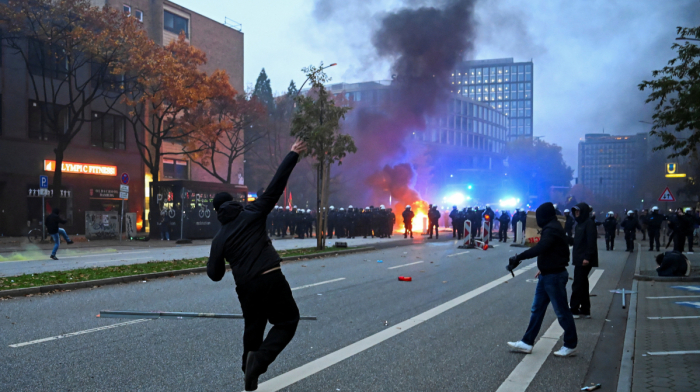
Gen Z protests swept 34 German cities on Saturday (31 October) over education and living costs. Violence erupted in Frankfurt, where shops were looted and police reported Molotov cocktail attacks.
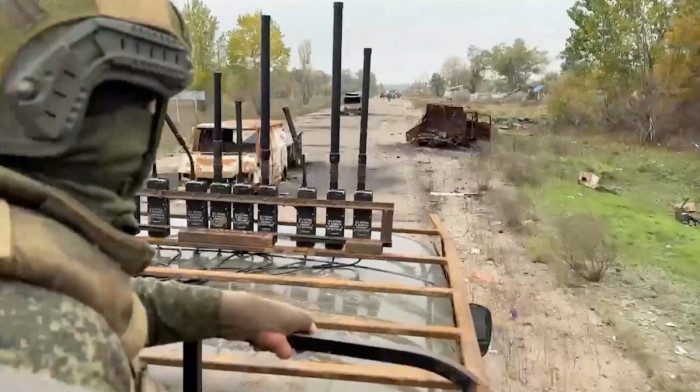
A six-day humanitarian ceasefire in the Russian-held Ukrainian town of Oleshky ended on Sunday, 1 November, after facilitating aid deliveries and civilian evacuations.
Thousands protested in Albania's capital, Tirana, on Saturday (31 October), demanding Prime Minister Edi Rama's resignation over perceived corruption allegations and dissatisfaction with the government over a lack of jobs and poor education standards.
Hundreds of millions of U.S. citizens head to the polls on 3 November to elect the House of Representatives and Senate. How they vote could influence the direction of Donald Trump’s remaining 26 months in office and the outcomes of the Ukraine and Iran conflicts.
Saudi Aramco's acquisition of a 49 per cent stake in artificial intelligence (AI) company HUMAIN is putting a spotlight on a wider investment question: why are some of the world's biggest energy companies moving deeper into AI, and what do they expect to gain?
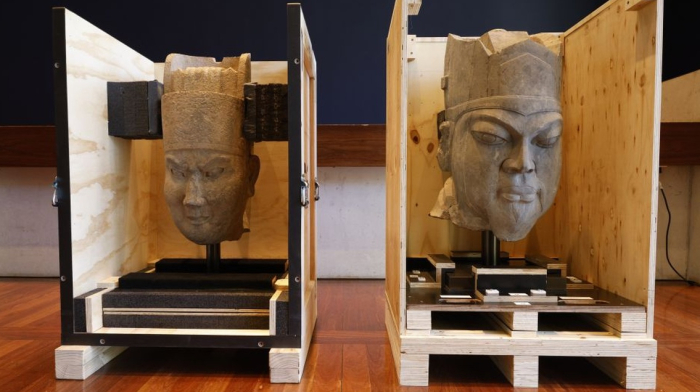
Australia has returned two ancient stone statue heads to China, more than 30 years after they were taken from imperial tombs in central China.
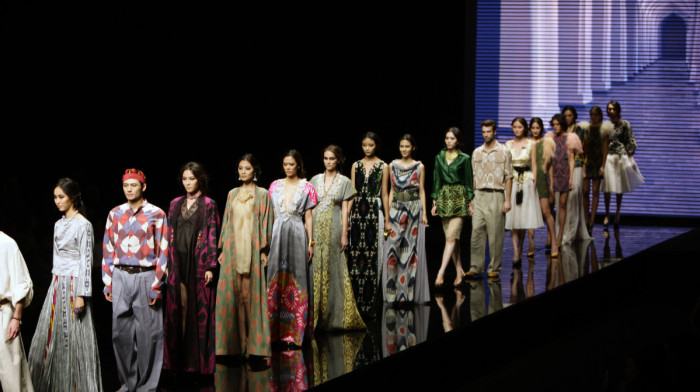
Uzbekistan is launching a new fashion academy in Tashkent to help local clothing manufacturers build their own brands, sharpen design skills and compete in international markets.
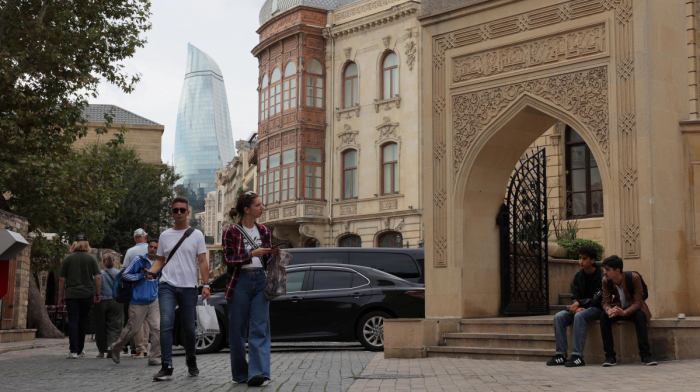
Baku is set to host the second “Fly to Baku” Art Weekend from 30 October to 1 November, bringing together Azerbaijani and international artists to explore the Caucasus’ wildlife and cultural heritage, and the need to protect nature.
A rare 67-million-year-old dinosaur skeleton known as “Jodi” has sold for $47.3 million at Sotheby’s in New York, smashing its pre-sale estimate and becoming the second-most expensive dinosaur fossil ever sold at auction.
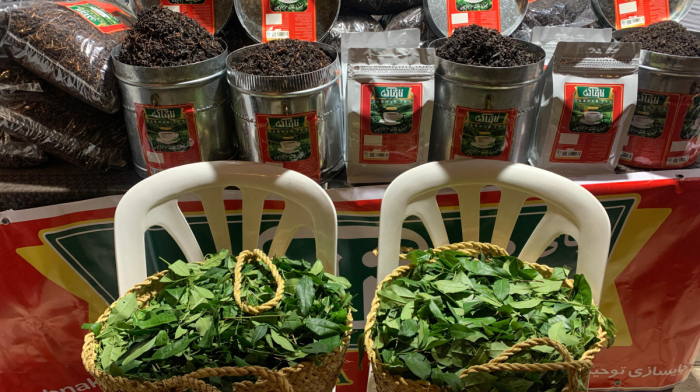
Iran is looking to turn its centuries-old tea culture into an opportunity for trade, industrial development and tourism as it held the Second Tea Festival in the northern province of Gilan bordering the Caspian Sea.
You can download the AnewZ application from Play Store and the App Store.
What is your opinion on this topic?
Leave the first comment