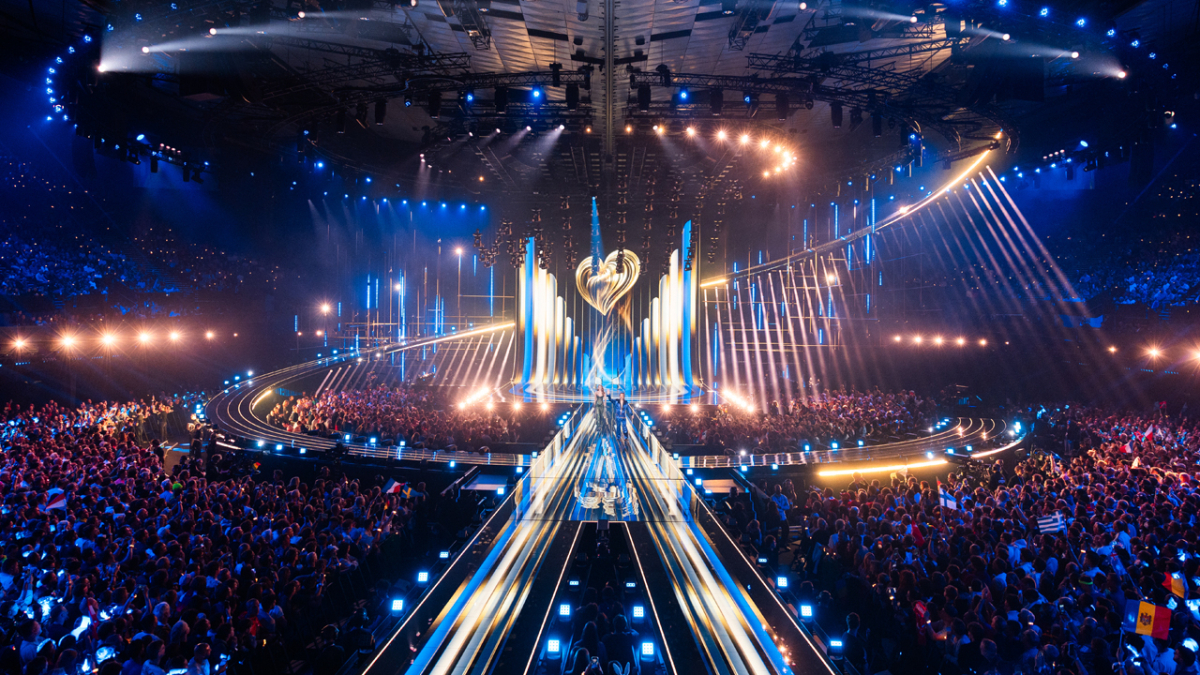
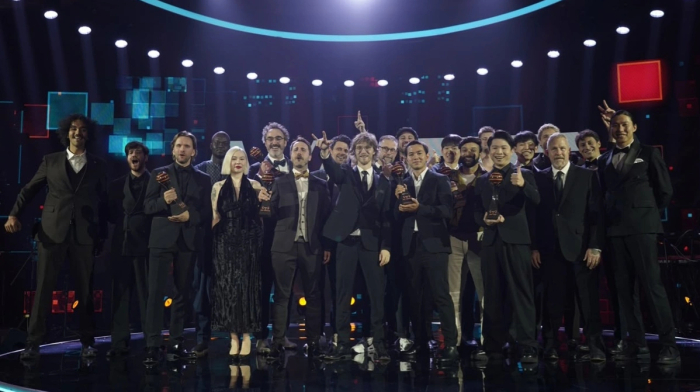
Eurovision Song Contest once again proved how unpredictable its outcome can be, with Bulgaria’s Dara turning a late surge into a dominant win while several expected contenders collapsed early. At the same time, the absence of the South Caucasus region from the final raised questions.
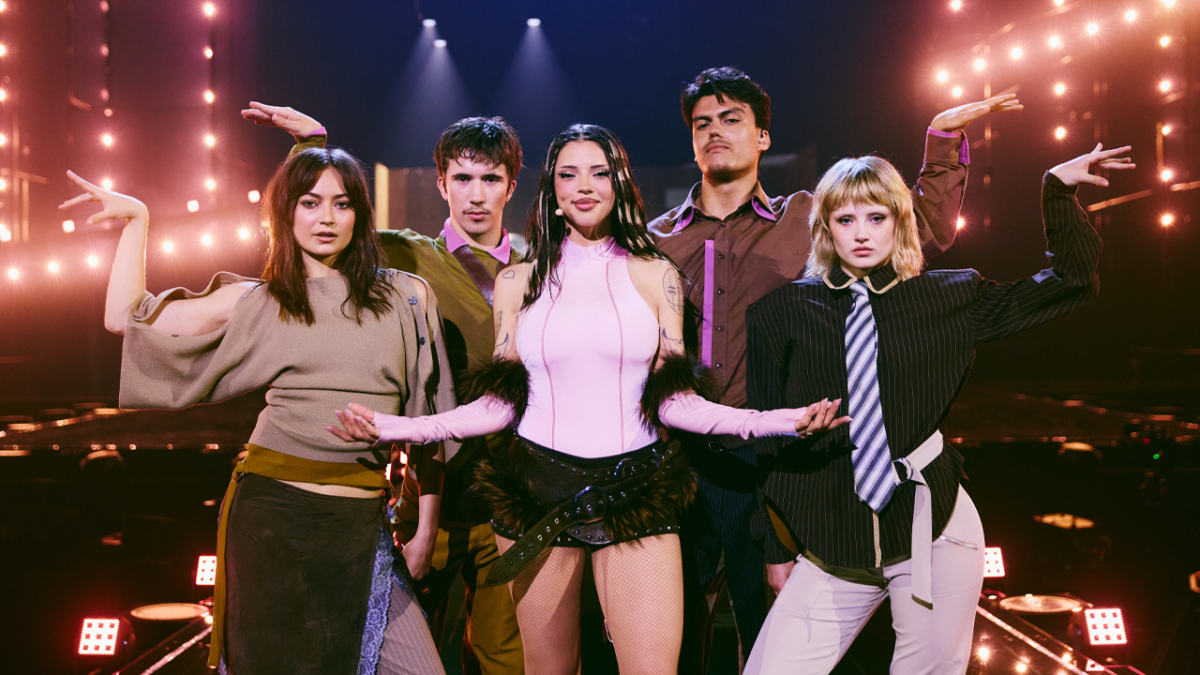
Dara entered the contest without strong pre-show odds, but her performance of Bangaranga quickly changed expectations.
The staging stood out for its K-pop- inspired choreography, precision, and unconventional visual design, breaking away from the typical Eurovision pop formula.
Unlike safer staging approaches seen in previous winners, Dara leaned into complexity and intensity. This risk paid off, helping her secure both jury and televote support and delivering Bulgaria its first-ever Eurovision win.
Why 'Bangaranga' worked
The performance succeeded largely because it felt designed for current global pop trends rather than traditional Eurovision patterns. Instead of relying on spectacle alone, it combined choreography, rhythm, and visual identity into a unified concept.
This coherence made the entry feel fresh rather than repetitive. The dual appeal to juries and public voters suggests the song managed to balance technical execution with mass appeal- something many entries struggle to achieve.
South Caucasus entries fall short
For the first time since 2018, none of the South Caucasus countries- Armenia, Azerbaijan, or Georgia- reached the final.
Armenia’s entry, Simón (Simon Hovhannisyan) with 'Paloma Rumba', leaned heavily into chaotic energy and thematic abstraction, but it struggled to translate its concept into a clear emotional message for viewers. Instead of feeling intentionally quirky, it was widely perceived as unfocused.
Azerbaijan’s ballad 'Just Go' sung by Jiva (Jamila Hashimova), was vocally strong, but was criticised for overly simplistic lyrics and limited narrative depth. Even strong vocal performance couldn’t fully compensate for a song that many viewers found emotionally flat.
Shift in Eurovision expectations
This year highlighted a growing divide: performances now need both strong identity and clear emotional or conceptual grounding. Pure spectacle or pure vocal delivery alone is no longer enough.
The contrast between Bulgaria’s structured innovation and the South Caucasus entries’ weaker conceptual clarity suggests that Eurovision audiences are increasingly rewarding cohesion over experimentation without direction.
Looking ahead to Sofia
With Bulgaria set to host next year’s contest, expectations are already rising for a more trend-driven, youth-oriented direction. The challenge for future entrants will be to combine originality with clarity- something that proved decisive this year.














What is your opinion on this topic?
Leave the first comment