U.S. Secretary of State Marco Rubio said negotiations with Iran remain deadlocked over uranium enrichment and the Strait of Hormuz, despite what he described as modest progress in recent talks.
Speaking after a meeting of NATO foreign ministers in Sweden on Friday (22 May), Rubio struck a cautiously optimistic tone while making clear that significant differences remain between Washington and Tehran.
“There’s been some progress. I wouldn’t exaggerate it. I wouldn’t diminish it,” Rubio told reporters. “There’s more work to be done. We’re not there yet. I hope we get there.”
Intensified diplomacy as regional actors step in
Diplomatic activity has accelerated in recent days, with several regional players attempting to narrow differences between the two sides.
Iranian media reported that Iran’s foreign minister met his Pakistani counterpart on Friday to discuss proposals aimed at ending the conflict, while Qatar dispatched a negotiating team to Tehran to help bridge key gaps.
A source familiar with the matter said the Qatari delegation, which is coordinating closely with the United States, arrived in Iran on Friday.
Doha has previously played a central mediating role in regional conflicts, including between Israel and Hamas, although its involvement in the Iran crisis has been more limited after coming under attack from Iranian missiles and drones earlier in the conflict.
Major gaps remain over uranium and Hormuz
Despite diplomatic movement, core disagreements remain entrenched. One of the most sensitive issues is Iran’s enriched uranium stockpile, which Washington believes could be used in a weapons programme, while Tehran insists its nuclear activities are entirely peaceful.
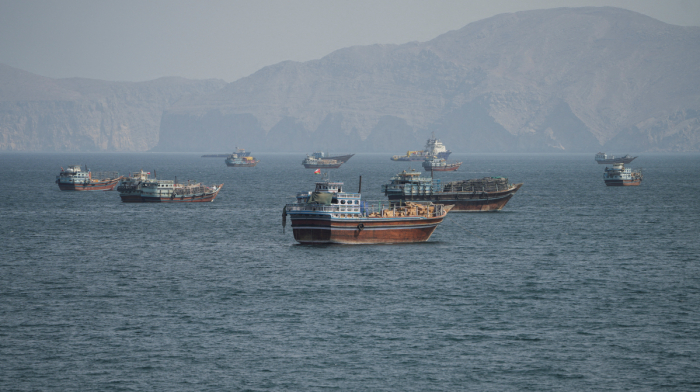
Another major sticking point is control of the Strait of Hormuz, a vital shipping lane through which around a fifth of global oil and liquefied natural gas supplies pass.
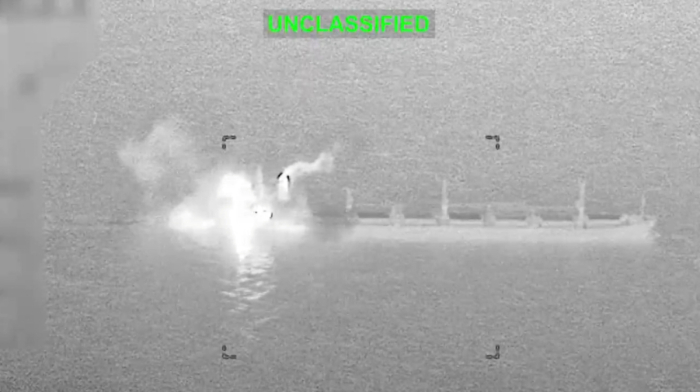
The waterway has been heavily disrupted since the outbreak of hostilities, adding to growing pressure on global energy markets. Iran has proposed a toll system for passage through the strait, a plan the United States has rejected.
“We’re dealing with a very difficult group of people, and if it doesn’t change, then the president’s been clear he has other options,” Rubio said.
U.S. rules out NATO role and warns of contingency plans
Rubio confirmed that Washington had not requested NATO involvement in securing the Strait of Hormuz, but said contingency planning would be necessary if Iran continued restricting access.
He also reiterated that while the U.S. remains engaged diplomatically, military and strategic alternatives are still being considered if talks fail.
Competing proposals deepen disagreements
Tehran submitted what it described as a revised proposal to the United States earlier this week. However, Iranian accounts suggest it largely mirrors earlier demands already rejected by Washington.
These include sanctions relief, the release of frozen assets, compensation for war damage, limits on U.S. military presence in the region, and conditions relating to control of the Strait of Hormuz.
U.S. President Donald Trump has separately said Washington intends to recover Iran’s stockpile of highly enriched uranium, which the United States argues could be used for nuclear weapons development. Iranian officials reject that claim, maintaining the programme is civilian in nature.
Two senior Iranian sources told Reuters that Supreme Leader Ayatollah Mojtaba Khamenei has issued a directive preventing the transfer of enriched uranium abroad, further complicating negotiations.
Hormuz disruption continues to squeeze markets
Commercial traffic through the Strait of Hormuz remains sharply reduced compared with pre-conflict levels. Before the conflict, between 125 and 140 vessels passed through the strait each day. In recent days, that number has fallen significantly.
Officials from Iran’s Revolutionary Guards said 35 tankers and cargo vessels passed through the strait in the past 24 hours after receiving clearance.
Iran has suggested access could eventually be limited to countries complying with its proposed framework, potentially including the payment of transit fees.
Markets react as energy uncertainty grows
The economic impact of the conflict continues to ripple through global markets. Oil prices rose on Friday amid uncertainty over negotiations, while the U.S. dollar hovered near six-week highs.
Analysts said investors remain unconvinced that a breakthrough is imminent.
“We’re coming to the end of week 12, we’re six weeks in the ceasefire, and I’m just not really that convinced we’re any closer to a resolution between the U.S. and Iran,” said Tony Sycamore, a market analyst at IG.
Strategic stakes and domestic pressure mount
The broader geopolitical stakes remain high. Washington and its allies say their objectives include curbing Iran’s support for regional militias, dismantling its nuclear programme and reducing its missile capabilities.
Iran, meanwhile, retains its enriched uranium stockpile and continues to rely on allied regional groups alongside its missile and drone arsenal.
Domestically, the U.S. administration faces mounting political pressure, with rising fuel prices fuelling public concern ahead of upcoming midterm elections and scrutiny intensifying over President Trump’s approval ratings.












What is your opinion on this topic?
Leave the first comment