AnewZ Morning Brief – 2 July 2026
Start your day informed with the AnewZ Morning Brief. Here are the top stories for the 2nd of July, covering the latest developments you need to know.
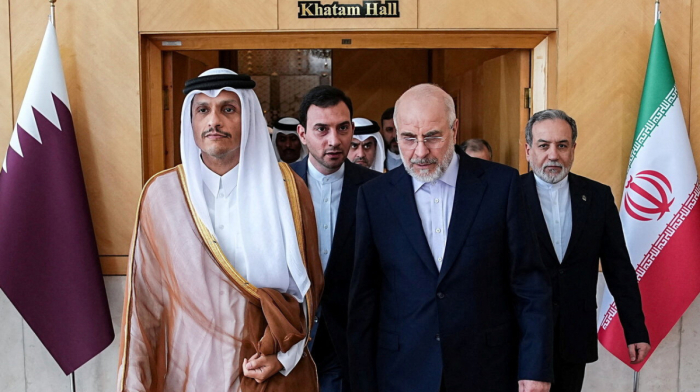
Iran and the U.S. are at odds over planned talks in Doha, with Tehran denying any meeting is scheduled despite Washington preparing to send senior envoys. The disagreement comes amid renewed missile attacks and rising tensions that are testing a fragile ceasefire.
U.S. President Donald Trump has temporarily suspended certain duties on phosphate fertiliser imports from Morocco, as American farmers face supply shortages linked to recent conflict in the Middle East.
The U.S. and Iran have agreed to 'stand down' and resume technical talks, allowing vessels allowed to move freely under the interim peace deal, a U.S. official said.
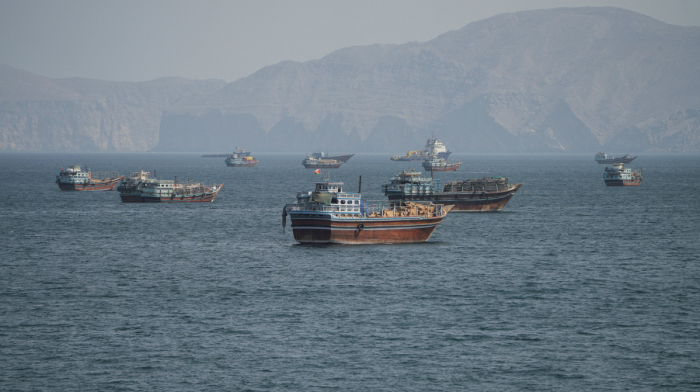
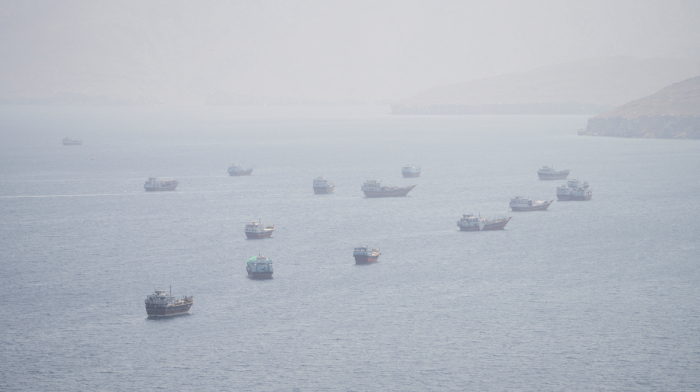
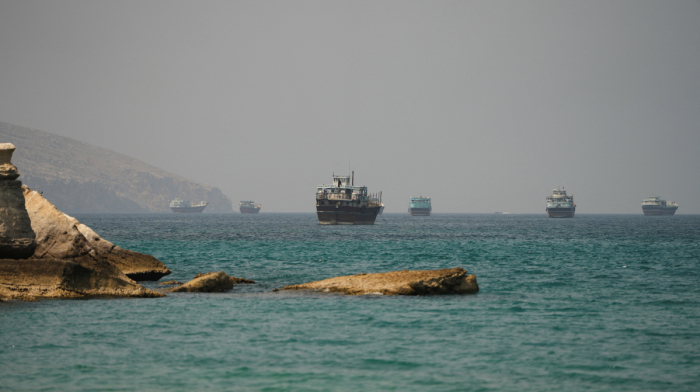
Iran and Oman have held the first meeting of a new joint committee to discuss the future management of the strategically important Strait of Hormuz, an Iranian deputy foreign minister said on Monday.
Iran and the United States have agreed to halt recent hostilities in the Gulf and resume talks over the Strait of Hormuz dispute, a U.S. official said. The move raises hopes of preserving an interim peace deal after days of tit-for-tat strikes.
The United States and Iran have agreed to halt strikes against each other, in a potential breakthrough after weeks of escalating tensions. The two sides are expected to meet in Doha on Tuesday to address their dispute over the Strait of Hormuz.
Start your day informed with the AnewZ Morning Brief. Here are the top stories for 27 June, covering the latest developments you need to know.
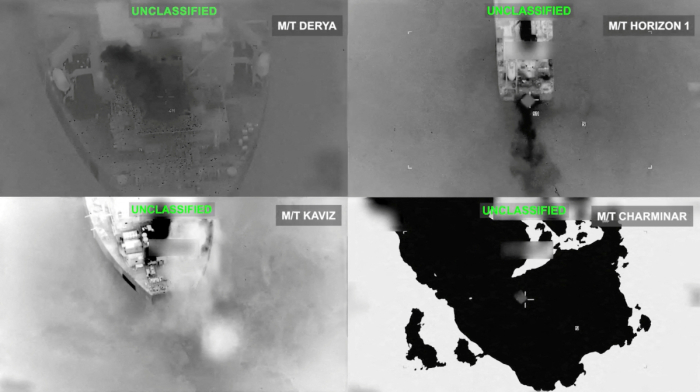
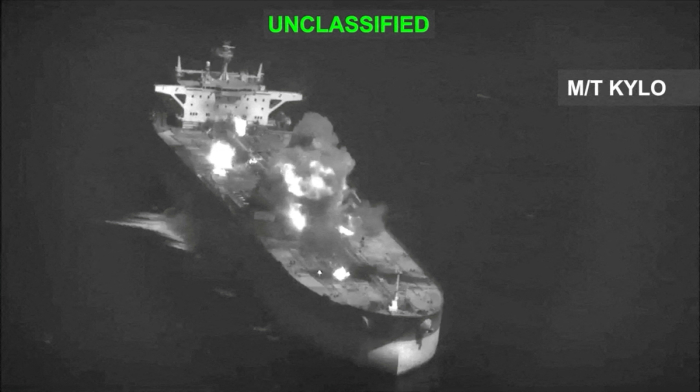
The UN's International Maritime Organization has paused escort operations through the Strait of Hormuz after a cargo ship was reportedly attacked near Oman, with two U.S. officials accusing Iran of the attack.
Iran's Ministry of Foreign Affairs on Friday (26 June) condemned as "interventionist, irresponsible and provocative" a statement issued following a joint meeting of foreign ministers from the U.S. and the Gulf Cooperation Council (GCC) in Manama, Bahrain.
Fertiliser shipments through the Strait of Hormuz have begun to recover following an interim U.S.–Iran agreement aimed at stabilising the waterway after months of disruption during conflict, industry data shows.
Start your day informed with the AnewZ Morning Brief. Here are the top stories for 26 June, covering the latest developments you need to know.
The U.S. Senate rejected a resolution on Wednesday that would have directed President Donald Trump to remove U.S. forces from hostilities against Iran unless Congress formally authorised military action.
Israel's defence minister said on Wednesday Israeli troops will not withdraw from southern Lebanon, highlighting a hurdle to Iran-U.S. peace talks, as the top U.S. diplomat tours the Middle East to win over allies sceptical about a proposed deal.
Oman has announced measures to keep vessels moving through the Strait of Hormuz, confirming it will maintain free passage and impose no tolls as efforts continue to restore navigation through the strategic waterway.
Start your day informed with the AnewZ Morning Brief. Here are the top stories for 24 June, covering the latest developments you need to know.
Iran's top joint military command, Khatam al-Anbiya Central Headquarters, has said that the Strait of Hormuz is closed to ships again, citing alleged violations of a ceasefire agreement by the U.S. and Israel. Lebanon has said Israeli strikes killed 16 people on Saturday.
The United States is working with Qatar on a plan that could give Iran access to billions of dollars in frozen funds for humanitarian purchases, The Wall Street Journal reported, citing people familiar with the matter.
Iran will issue authorisations to merchant vessels passing through the Strait of Hormuz for the next 60 days, requiring ships to obtain permission from Iranian authorities under a new agreement with the U.S.
Oil tankers began moving through the Strait of Hormuz on Thursday as an interim agreement between the United States and Iran came into effect, marking a tentative de-escalation in a conflict that has disrupted global energy markets and heightened regional tensions.
U.S. President Donald Trump sought a deal with Iran "out of deperation," Iranian Supreme Leader Mojtaba Khamenei has said, in a statement on social media. Khamenei added that he himself "held a different view," to Trump, but allowed the agreement after receiving assurances from Iran's President.
Donald Trump has said the U.S. will resume bombing Iran if Tehran doesn't "behave," at the sidelines of the G7 summit in France. Earlier, the U.S. President criticised Israel for its tactics against Hezbollah, saying it was unnecessary to bomb entire apartment buildings to tackle militants.
G7 leaders said on Wednesday they stand united to support Ukraine, including its territorial integrity, and agreed to increase sanctions on Russia, in a joint statement.
A secretive offshore oil transfer network backed by U.S. military support has helped keep Gulf energy exports flowing despite major disruption around the Strait of Hormuz, a Reuters investigation has found.
You can download the AnewZ application from Play Store and the App Store.