Iran said on Monday (3 August) it is not negotiating with the U.S. over reopening the Strait of Hormuz, saying current talks with Oman are focused solely on ensuring safe shipping through the strategic waterway.
Bilateral talks with Oman
Iran’s Foreign Ministry said Tehran is not currently negotiating with Washington over the reopening of the Strait of Hormuz to shipping, stressing that ongoing discussions with Oman are bilateral efforts to secure safe transit through the strategic corridor.
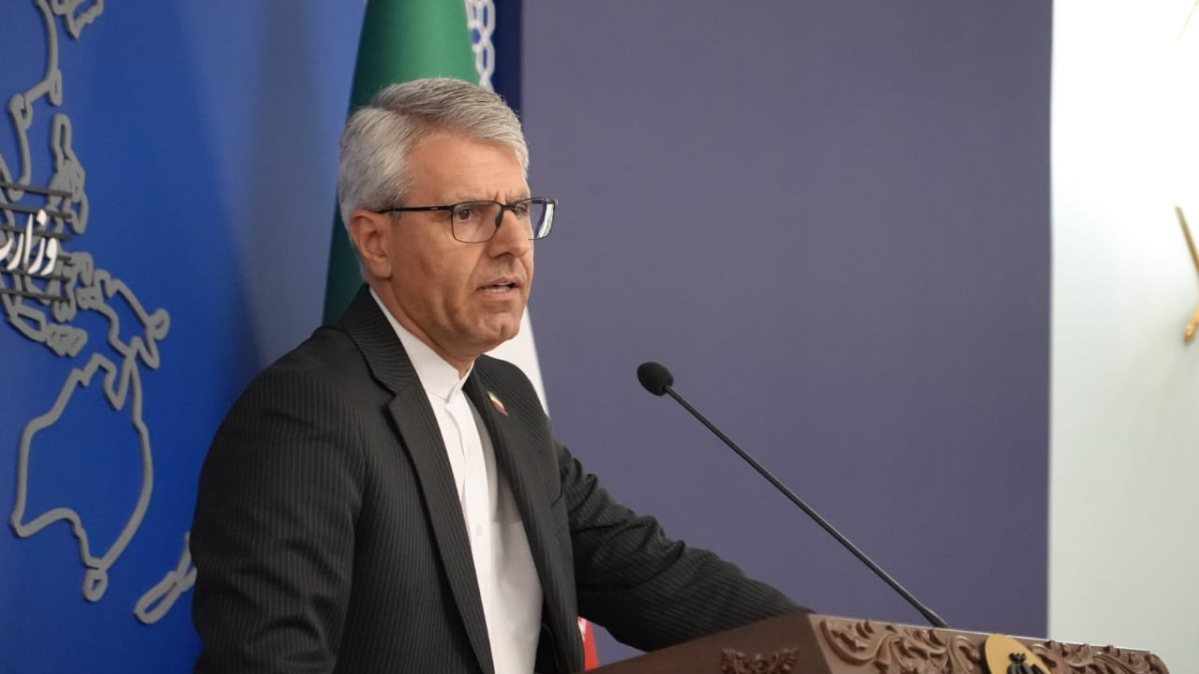
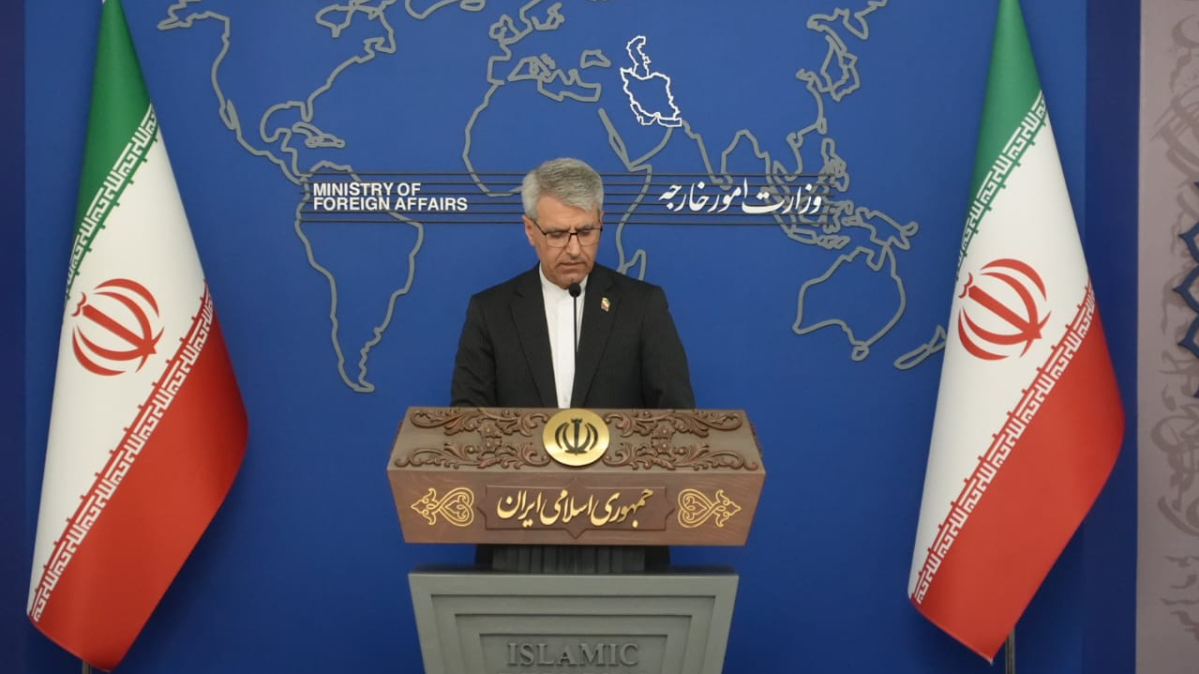
“These are bilateral talks between the two littoral states. Other countries can play a constructive or destructive role in this process, but this is a matter for Iran and Oman,” Foreign Ministry spokesperson Esmaeil Baghei said.
Speaking at a weekly media briefing, he said the Strait of Hormuz was not closed because of any disagreement between Iran and Oman, adding: “Hormuz has been in trouble since March due to the military aggression by the United States and the Zionist regime.”
Baghei also said issues related to Iran-U.S. relations and the implementation of Washington’s obligations under the ceasefire memorandum of understanding would be reviewed in the “next stages and in accordance with the circumstances”.
“As long as America's evil continues, its naval blockade of Iran is in place, and its military aggression against Iran and its interests continues, there will be no significant change in the situation at the Strait of Hormuz,” he stressed.
The Foreign Ministry spokesperson also said on Sunday that the understanding between Iran and Oman regarding a new shipping route through the Strait of Hormuz was a “necessary but not a sufficient” condition for reopening maritime traffic.
“An understanding on a safe shipping route through the Strait of Hormuz is a necessary condition for the reopening of Hormuz, but it is not a sufficient condition.
“This understanding does not mean the opening of the Strait of Hormuz, and the closure of this passage is the result of America's breach of the agreement and harassing actions against the Islamic Republic of Iran,” he said in an interview with the state-run IRIB TV news channel.
Pakistan remains key mediator
During the briefing, Baghei said that while Tehran welcomed goodwill efforts by regional and extra-regional countries, including China, to de-escalate tensions, Pakistan remained the main mediation channel between Iran and the U.S.
“Pakistan is the mediator in the discussions related to Iran and the U.S., and Qatar also helps in cases where necessary. We have very friendly relations with China and very close cooperation is established in all areas of mutual interest.”
Asked about Beijing’s diplomatic efforts, he said China, like Iran, was concerned about the escalation of U.S. “destructive and belligerent unilateralism”.
“It is also concerned about the escalation of conflict and insecurity in the region. Therefore, our Chinese friends are trying and using their good efforts to prevent the situation from escalating.”
Iran warns of action over drone attack
Responding to a question about Iran’s response to Ukraine’s fatal drone attack on an Iranian merchant ship in Russian waters in the Caspian Sea, and Tehran’s efforts to hold Kyiv accountable, Baghei said Ukrainian officials had insisted the incident was accidental.
“Ukrainian officials, both in direct contact with Foreign Minister Araghchi and in the messages they sent to us, emphasized that this was an unintentional act.”
However, he added that “very clear evidence and circumstantial evidence”, including statements by the Ukrainian president, indicated that the attack was “deliberate”.
“We have heard the explanations of the Ukrainian authorities and await to see whether they will take any action in practice that will support and confirm their claim that this crime was unintentional.”
Baghei said Iran would take whatever action was necessary “to hold Ukraine accountable and to ensure that such a mistake and crime is not repeated by the Ukrainian side”.













What is your opinion on this topic?
Leave the first comment