Pakistan has emerged as a key intermediary in U.S.-Iran diplomacy after months of shuttle talks, draft revisions and regional coordination involving Gulf states and China. An interim understanding has been reached, but officials warn the most difficult phase of negotiations still lies ahead.
Since the conflict began on 28 February, Pakistani officials have served as an intermediary channel between Washington and Tehran, transmitting proposals and refining draft texts, according to sources familiar with the talks.
Islamabad reportedly “shuttled multiple peace proposals between both capitals” as negotiations repeatedly stalled over issues including access through the Strait of Hormuz and wider regional tensions.
A major breakthrough came with a 14-point interim framework presented by Prime Minister Shehbaz Sharif in Islamabad, aimed at reducing hostilities and safeguarding the Strait of Hormuz, through which around one-fifth of global oil and LNG supplies pass.
“There were many moments during the negotiations when it looked as if the process would grind to a halt,” Sharif told parliament.
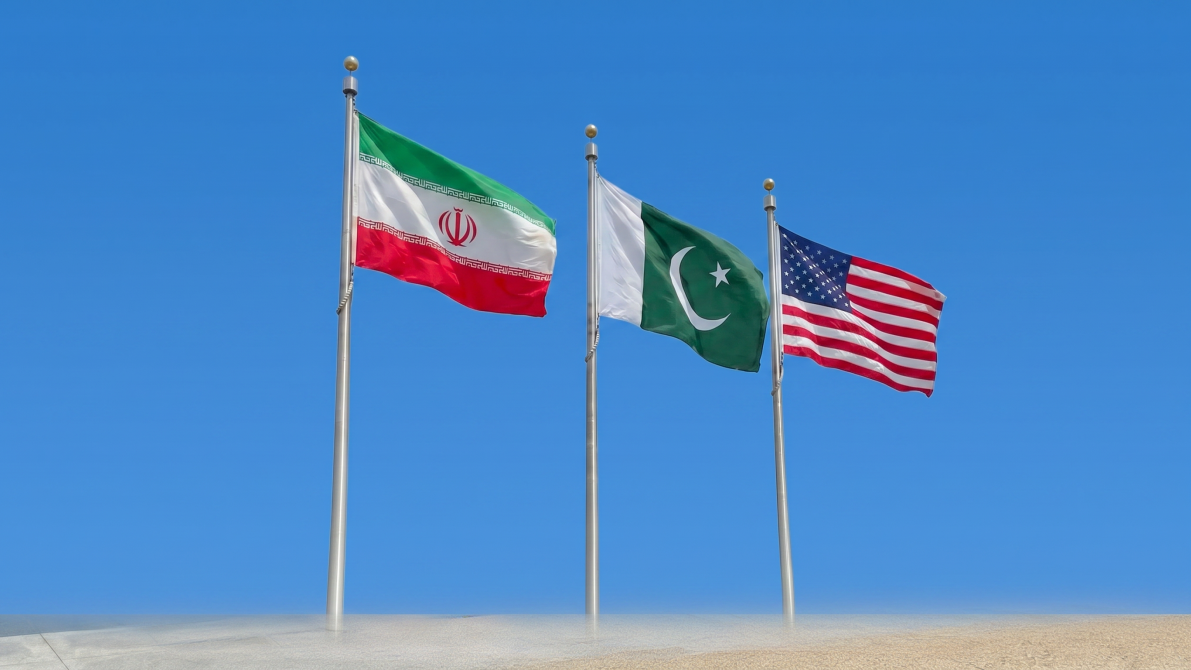
Pakistan's Prime Minister signed Islamabad Memorandum of Understanding (Islamabad MoU) at his office in Islamabad, Pakistan, 18 June, 2026.
Reuters
Why Pakistan became a trusted mediator
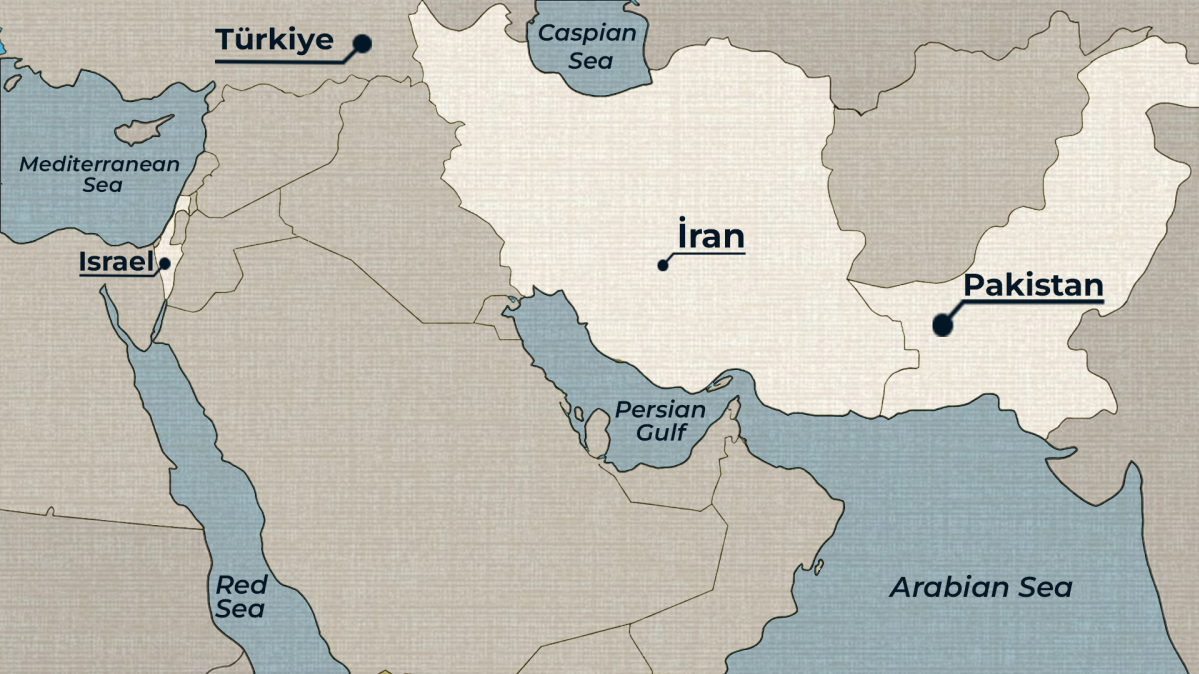
Pakistan’s emergence reflects its unique diplomatic positioning. Unlike several Gulf states, it does not host U.S. military bases, helping to preserve Tehran’s trust while maintaining working relations with Washington, Iran, Saudi Arabia, the UAE, Qatar, Türkiye and Egypt.
Its geography - linking South Asia, the Middle East, China and the Arabian Sea - further strengthens its role as a regional connector.
AnewZ
AnewZ
Pakistan’s standing in Washington has also improved following its cooperation in the arrest of Mohammad Sharifullah, the alleged planner of the 2021 Kabul airport bombing, and its handling of the 2025 India–Pakistan crisis, which reinforced its image as a responsible regional actor.
This improvement has been reflected in a series of high-level contacts between U.S. and Pakistani officials, helping to preserve communication channels at a time when Washington was seeking credible intermediaries with access to Tehran.
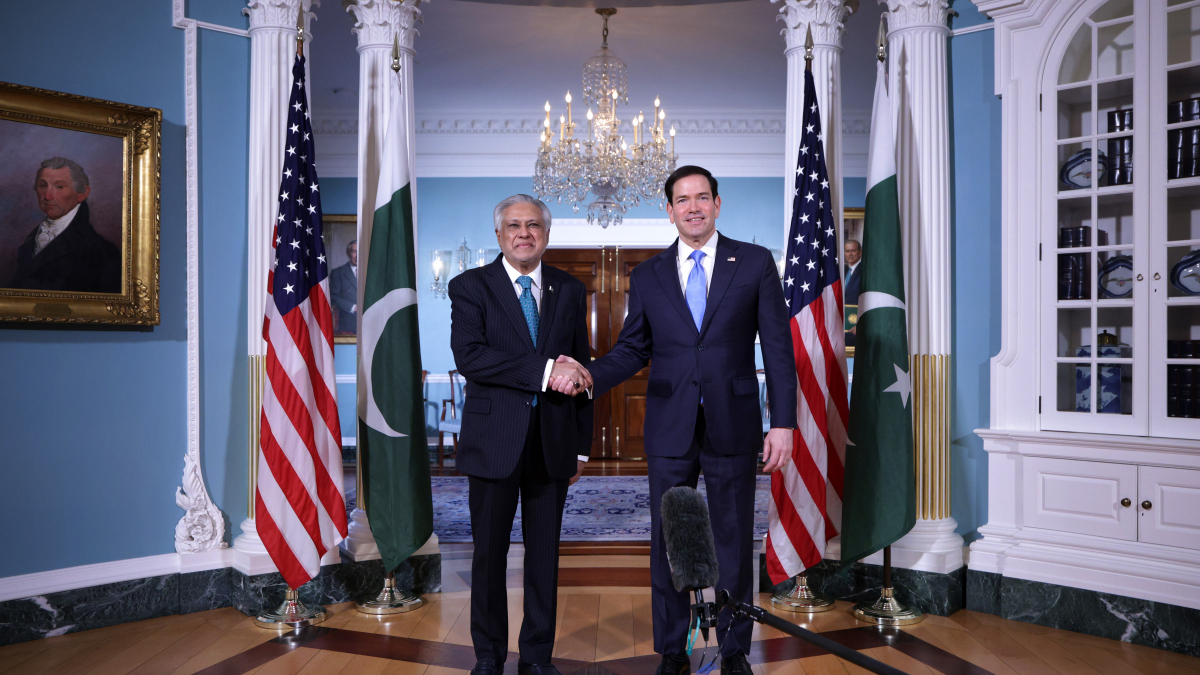
U.S. Secretary of State Marco Rubio (right) meets with Pakistani Foreign Minister in the Treaty Room at the U.S. Department of State in Washington, D.C., on 29 May 2026.
Anadolu Agency
Security and economic drivers
Security concerns are central to Islamabad’s approach. Pakistan shares a nearly 900-kilometre border with Iran, and officials fear prolonged instability could increase cross-border violence, refugee flows and sectarian tensions.
Economic factors are equally significant. Nearly 90% of Pakistan’s crude oil imports come from Gulf states, while almost all LNG supplies originate from Qatar.
Officials estimate that heightened tensions could add around $600 million to Pakistan’s monthly oil import bill. More than half of the country’s roughly $30 billion in annual remittances also come from Gulf countries.
Disruptions to global supply chains have further increased fertiliser costs, affecting Pakistan’s agriculture sector, while a stable regional environment could boost demand for Pakistani labour in Gulf construction and healthcare sectors.
Role of China and Qatar
Islamabad maintains working channels with Washington, Tehran, Beijing and key Gulf capitals, enabling communication across multiple geopolitical divides.
Pakistan’s diplomatic value is further strengthened by its close ties with China, which relies on the Middle East for more than half of its energy imports.
Speaking to AnewZ's Inside Politics, former Pakistani Information Minister Mushahid Hussain said Islamabad’s mediation efforts reflect "the active support and cooperation of China", adding that "Pakistan and China are on the same page regarding South Asia and the Middle East and the prospects of peace".
Qatar played a facilitative role in the talks. A diplomat involved in the negotiations said Doha helped break a 10-day impasse by providing financial assurances to Iranian authorities and enabling indirect contacts.
Despite its growing influence, Pakistan remains a facilitator rather than a guarantor of any agreement.
Core disagreements over sanctions relief, Iran’s nuclear programme, proxy conflicts and regional security dynamics, including issues involving Israel and Lebanon, remain unresolved.
Nevertheless, Islamabad’s role has elevated its standing as a middle power capable of bridging rival geopolitical blocs, even as the outcome of a final agreement remains uncertain.
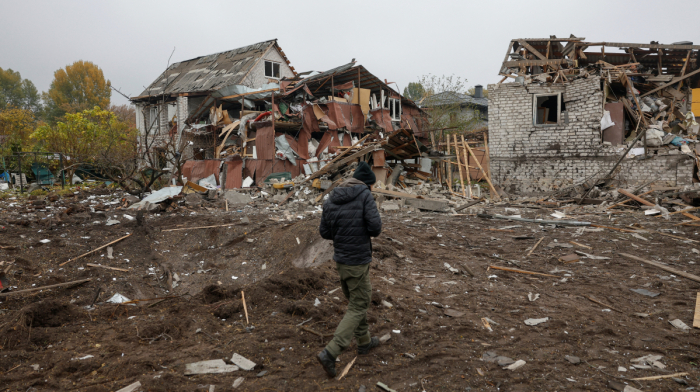
Russian strikes on Ukraine overnight killed at least two people and injured 15 others, including two children, Ukrainian authorities said. Meanwhile, Russia said it had intercepted the vast majority of 630 Ukrainian drones launched towards Moscow.
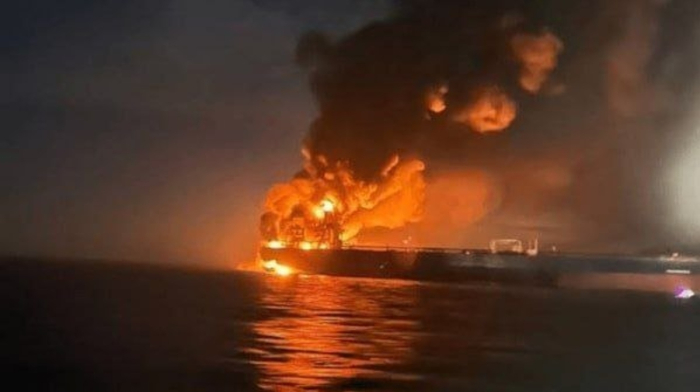
Saudi Aramco has ordered staff to evacuate its headquarters amid escalating Houthi attacks on the kingdom. Two people were killed in an attack on Dammam airport, while Iran's IRGC Navy claimed strikes on seven vessels and warned the U.S. of a wider response.
Russia is willing in principle to resume peace talks with Ukraine and the United States in November, Kremlin aide Yuri Ushakov said after President Vladimir Putin met U.S. special envoy Steve Witkoff in St Petersburg.
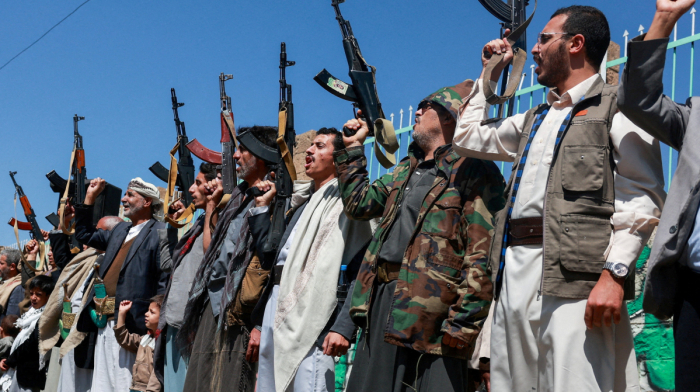
Yemen's Houthis have denied targeting the holy city of Medina on Wednesday adding that they have not conducted any military operations towards Saudi Arabia either, denying earlier comments from the Saudi-led coalition in Yemen.
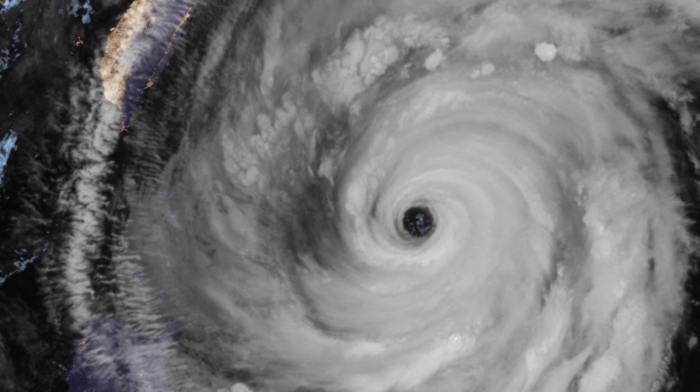
Super typhoon Champi is set to batter Japan’s Okinawa Prefecture from Friday (23 October), bringing violent winds, torrential rain and waves up to 11 metres high, as airlines cancel flights and organisers scrap a major festival.
Uzbekistan’s President Shavkat Mirziyoyev has approved a new alphabet, bringing the Latin-script Uzbek alphabet closer to other alphabets used in the Turkic world.
Saudi Aramco has ordered staff to evacuate its headquarters amid escalating Houthi attacks on the kingdom. Two people were killed in an attack on Dammam airport, while Iran's IRGC Navy claimed strikes on seven vessels and warned the U.S. of a wider response.
Azerbaijani families of people missing since the Garabagh conflict have taken their appeal to EU officials in Brussels, calling for greater international support in clarifying the fate of their relatives and locating mass graves.
A peace treaty between Azerbaijan and Armenia could be signed in 2027 or 2028, Armenian Prime Minister Nikol Pashinyan said on Thursday, state news agency Armenpress reported.
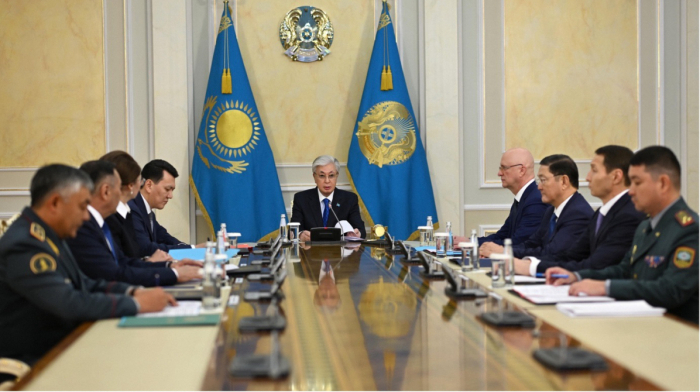
Kazakhstan is preparing sweeping military reforms after 14 service members died during exercises in the Caspian Sea. President Kassym-Jomart Tokayev approved the plans on 21 October, with major changes to training, oversight and defence capabilities set to begin in 2027.
Download the AnewZ app
You can download the AnewZ application from Play Store and the App Store.














What is your opinion on this topic?
Leave the first comment