Uzbekistan and Azerbaijan are drawing up a new programme aimed at boosting bilateral trade to $1 billion by 2030, as the two countries move to deepen economic and industrial ties.
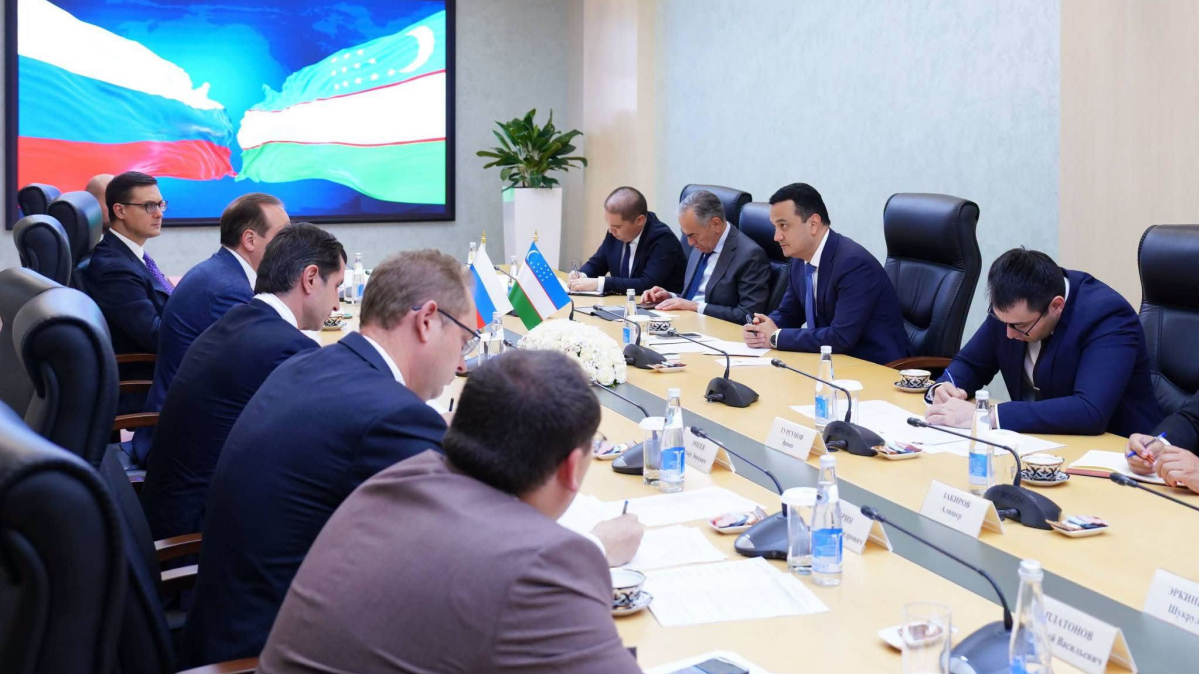
The plans were discussed at a meeting between Uzbekistan’s Minister of Investment, Industry and Trade, Laziz Kudratov, and Azerbaijan’s Ambassador to Uzbekistan, Rashad Mammadov.
Trade gathers momentum
Bilateral trade reached $307.3 million in 2025, up 14.6 per cent on the previous year. From January to June 2026, trade reached $170.3 million, a year-on-year increase of 30.8 per cent, signalling faster growth this year.
The countries’ trade relationship is relatively diversified. Uzbekistan’s exports to Azerbaijan include food products, vehicles, mechanical equipment, industrial goods and other manufactured products, while imports include metals, food products and other industrial goods.
From trade to investment
The economic relationship is also increasingly moving beyond the exchange of goods. Uzbekistan and Azerbaijan are developing cooperation across sectors including energy, geology and mining, textiles, tourism, logistics, pharmaceuticals, electrical engineering and food production. A bilateral investment company is also being expanded to support new projects.
Azerbaijani businesses already have a growing presence in Uzbekistan. As of June 2025, 280 enterprises with Azerbaijani capital participation were operating in the country, spanning sectors from manufacturing and energy to finance, services and food production.
Regional cooperation takes centre stage
The two countries are also seeking to strengthen direct links between businesses and regional authorities. The fourth Uzbekistan–Azerbaijan Interregional Forum, scheduled for 22 August in Tashkent, is expected to provide a platform for new trade and investment projects.
The latest discussions build on a broader push to deepen economic ties between the two countries. In July, officials reaffirmed the $1 billion trade target and reviewed projects in mining, textiles, tourism, pharmaceuticals, electrical engineering and construction materials.
If achieved, the target would mark a significant jump from current trade levels and signal a shift towards a wider economic partnership, with trade, investment, industrial cooperation and regional connectivity advancing in tandem.

















What is your opinion on this topic?
Leave the first comment