Kazakhstan says the North Aral Sea’s water volume has risen by 24 per cent since 2022, reaching 23.4 billion cubic metres. The figures were unveiled at the COP31 climate conference in Antalya, Türkiye, as the country outlined ambitious plans to accelerate restoration.
Restoring the North Aral Sea
Kazakhstan’s Deputy Minister of Ecology and Natural Resources, Mansur Oshurbayev, highlighted progress in reviving the Aral Sea region, where decades of falling water levels have left vast stretches of seabed exposed.
The construction of the Kokaral Dam marked a major breakthrough, helping to preserve the northern section of the sea.The project has cut water salinity by around 50 per cent, supported the recovery of fish populations and helped restore surrounding ecosystems.
Tackling salt and dust pollution
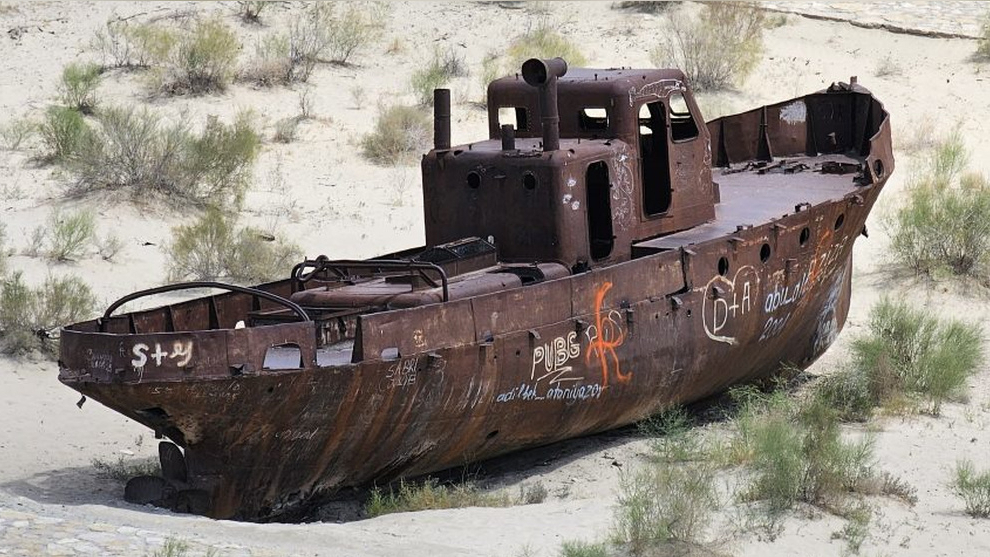
Despite these gains, large areas of the former seabed remain dry, posing a serious environmental threat. Winds carry salt and dust from the exposed sediments into surrounding areas, threatening local ecosystems and communities.
To combat the problem, Kazakhstan carried out afforestation and land reclamation across more than 1.1 million hectares (11,000 square kilometres) between 2021 and 2025.
The programme included the planting of more than 56 million saxaul seedlings. Saxaul is a drought-resistant shrub that helps stabilise sandy soils, limiting the spread of airborne salt and dust.
Ambitious plans to expand the sea
Kazakhstan is now looking to build on its progress with a new phase of restoration.
A project developed in partnership with the World Bank aims to increase the North Aral Sea’s water volume to 34 billion cubic metres and expand its surface area to approximately 3,913 square kilometres.
The initiative includes rebuilding the Kokaral Dam, with the first phase of a wider restoration and irrigation modernisation programme planned for 2027–2030.
Modernising irrigation to secure water supplies
Achieving these targets will depend largely on the Syr Darya River, a vital water source for both the sea and agricultural communities across Central Asia.
Kazakhstan plans to modernise and automate irrigation infrastructure through more than 160 projects across the Turkestan and Kyzylorda regions.
By reducing water losses, authorities hope to channel some of the savings into the North Aral Sea while protecting supplies for farmers.
Regional cooperation key to recovery
The challenge extends beyond Kazakhstan, as the Syr Darya crosses several Central Asian countries, making regional cooperation crucial to securing reliable water supplies.
In 2025, Kazakhstan and Uzbekistan signed an agreement on the joint management and sustainable use of shared water resources, following a decade of negotiations.
Such cooperation is critical to the sea’s long-term recovery, which relies on a steady flow of water from upstream countries.
A fragile but promising recovery
The North Aral Sea’s rising water levels offer evidence that recovery is possible after decades of environmental damage.
However, sustaining that progress will depend on continued investment, more efficient irrigation and closer cooperation between neighbouring countries.


















What is your opinion on this topic?
Leave the first comment