China deepens Central Asia ties with energy and trade push
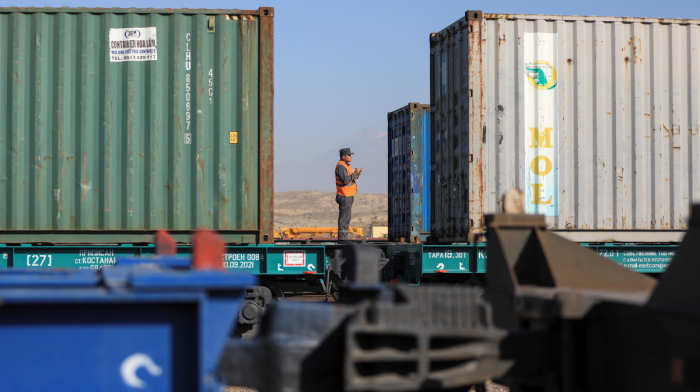
China is strengthening its presence in Central Asia by increasing gas imports from Turkmenistan and expanding trade and infrastructure cooperation with Kyrgyzstan.
Former head of the State Committee for National Security Kamchybek Tashiev has returned to Kyrgyzstan and is currently being questioned at the Interior Ministry’s main investigative department, according to local media reports.
The European Union will not include Kazakhstan in its upcoming 20th package of sanctions against Russia.
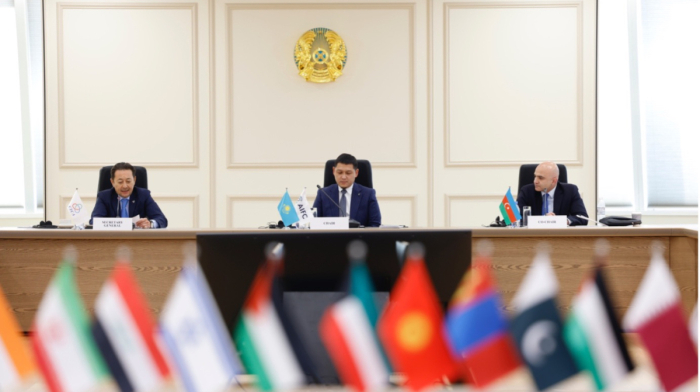
Kazakhstan’Kazakhstan’s lower house has approved plans for a green energy corridor with Azerbaijan and Uzbekistan. Once implemented, the project would see renewable electricity generated in the two Central Asian countries transmitted to Europe via Azerbaijan.
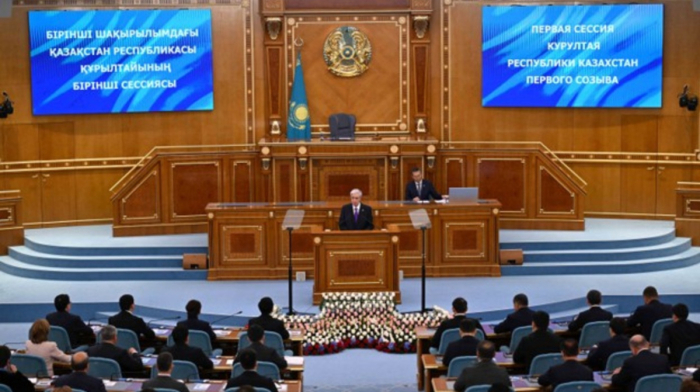
Kazakhstan is holding a nationwide referendum on a new draft Constitution on Sunday (15 March) that could significantly reshape the country’s political system. Polling stations have opened across the country, with nearly 12.5 million people eligible to take part.
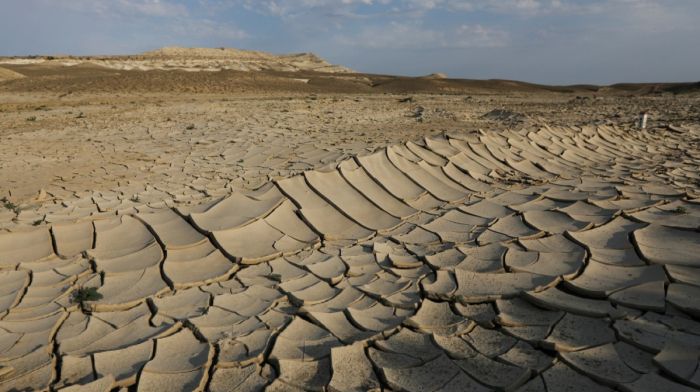
Kazakhstan is preparing a new phase of efforts to restore the Northern Aral Sea together with the World Bank, focusing on raising water levels, improving irrigation management and strengthening regional co-operation over shared water resources.
China will finance the construction of nine border facilities in Tajikistan along the frontier with Afghanistan in a project worth more than $50 million aimed at strengthening the operational capacity of the country’s Border Troops.
Reports of so-called “acid clouds” moving from Iran towards Central Asia are not supported by scientific data, national hydrometeorological services in Kazakhstan, Uzbekistan and Kyrgyzstan say, adding there is no threat to the region.
Kazakhstan has evacuated 8,585 citizens from Middle Eastern countries as regional tensions escalate. Authorities are coordinating air and land evacuations while analysts warn the crisis could reshape security and energy risks across the Caspian region.
Kazakhstan has evacuated more than 7,300 citizens from the Middle East since regional tensions escalated, using both air and land routes to bring nationals home while closely monitoring political developments and potential economic effects linked to rising oil prices.
British energy major Shell has signed a new exploration contract with Kazakhstan’s Ministry of Energy for the Zhanaturmys block in the Aktobe Region, expanding the company’s upstream presence in one of the country’s most promising hydrocarbon basins.
Escalating tensions between Iran and the U.S. are raising economic concerns across Central Asia. Although the region lies far from the conflict, its economies remain closely tied to global energy markets and trade routes linked to the Persian Gulf.
Rising tensions in the Middle East are beginning to affect Kazakhstan’s economy and citizens, disrupting grain trade across the Caspian Sea and prompting the evacuation of hundreds of Kazakh nationals from several countries in the region.
Kazakhstan has vowed to speed up its investigation into the Azerbaijan Airlines (AZAL) crash near Aktau, as mounting diplomatic pressure and geopolitical tensions push the disaster further into the international spotlight.
As tensions escalate in the Middle East, Kazakhstan is assessing the impact on its trade routes, diplomatic ties and citizens in the region. Analysts say the crisis could test Astana’s ability to balance economic interests, security concerns and foreign policy priorities.
Kazakhstan and Serbia have agreed to deepen their strategic partnership following talks in Astana between Presidents Kassym-Jomart Tokayev and Aleksandar Vučić, signalling a shift from political dialogue towards more practical cooperation.
Kazakhstan has launched a major project to build Central Asia’s largest data centre campus in Ekibastuz, aiming to position the country as a regional hub for digital infrastructure with a planned total energy capacity of up to 1 GW.
The number of foreign-owned companies operating in Kazakhstan increased in 2025, reflecting a shift in the country’s external economic ties. Growth was driven primarily by Chinese businesses, whose expanding presence is reshaping the structure of foreign investment.
Kazakhstan says it has allocated $2.2 million to strengthen scientific monitoring of the Caspian Sea amid growing concern over falling water levels, biodiversity loss and rising industrial pressure on the world’s largest inland body of water.
Central Asia’s population could reach 96 million by 2040, according to the head of the Eurasian Development Bank (EDB), highlighting both the region’s economic potential and the growing strain on infrastructure, trade routes and long-term development models.
Kazakhstan has entered the world’s top 50 economies by GDP in 2026, ranking 50th with a projected nominal output of $320 billion. The result reflects sustained growth, structural reforms and the country’s rising role as a regional economic hub.
Turkmenistan is preparing for a presidential visit to Brussels as the European Parliament considers ratifying a partnership agreement that has been stalled since 1998, with energy cooperation emerging as a key driver of renewed dialogue.
The European Union is preparing a further expansion of its sanctions against Russia, with Central Asia emerging for the first time as a distinct point of focus.
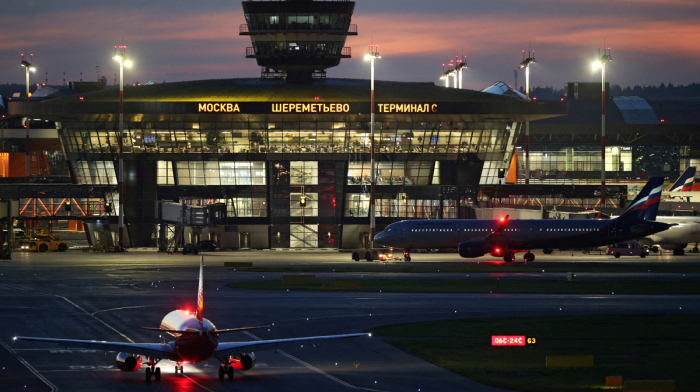
Kazakhstan has significantly expanded its international air connectivity last year, reopening and launching flights to 30 countries according to data released by the country’s transport authorities. By the end of 2025, Kazakhstan was operating 135 international routes.
You can download the AnewZ application from Play Store and the App Store.