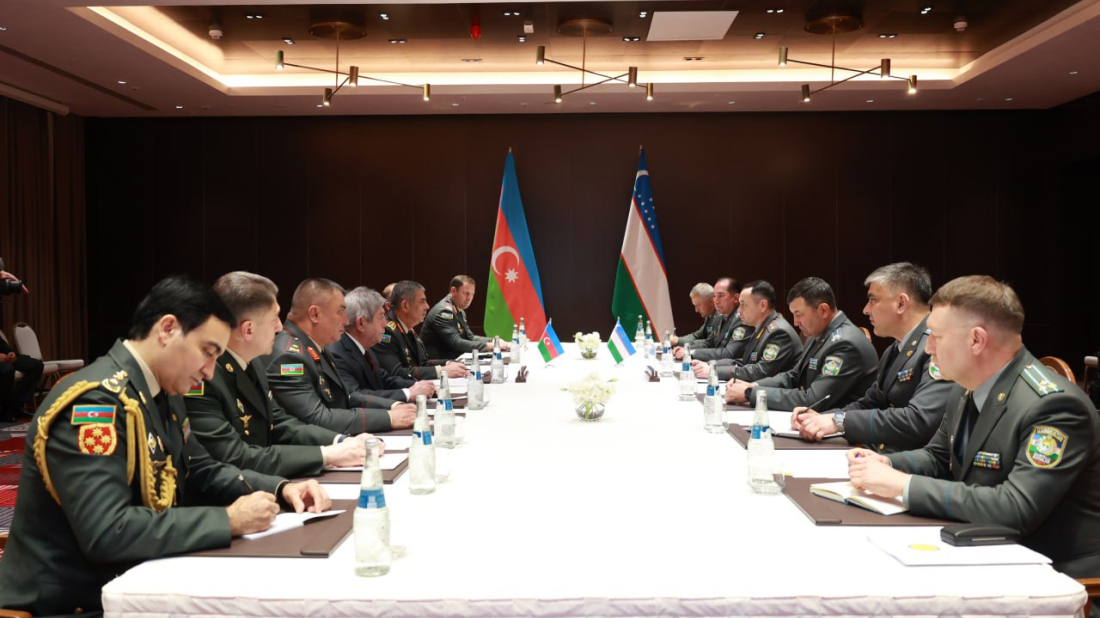
The inaugural meeting of defence ministers from Central Asian nations took place in Samarkand, Uzbekistan.
Countries that participated include the heads of military departments from Uzbekistan, Kazakhstan, Kyrgyzstan, Tajikistan and Turkmenistan.
The event marked a significant step in the development of regional military cooperation and reflected the increasing need for coordinated responses to evolving security challenges.
The ministers discussed key issues such as strengthening regional security, enhancing military and military-technical cooperation, training personnel, and exchanging expertise.
Particular emphasis was placed on joint efforts to counter international terrorism and the importance of building mutual trust between states, seen as a crucial foundation for long-term stability in Central Asia.
In a message from the President of Uzbekistan, it was noted that in recent years, relations among Central Asian countries, based on neighbourliness, mutual respect and trust, have developed into constructive dialogue and strategic partnership.
In the current context of global uncertainty, growing international and regional tensions, and increasing threats to peace and security, defence cooperation is viewed as more important than ever.
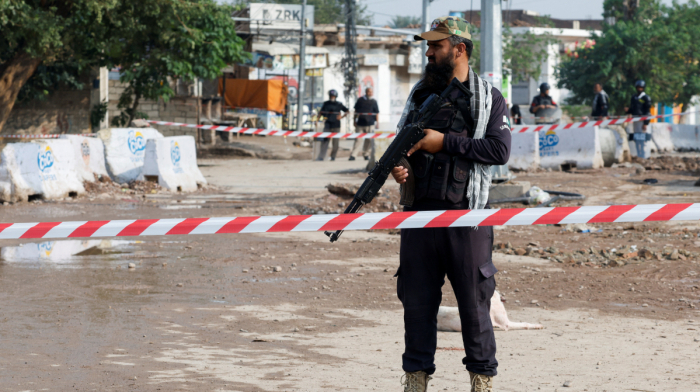
One specific area of concern was the security situation along the Tajik-Afghan border, which was recognised as a shared responsibility for all Central Asian states. The continued instability in Afghanistan has turned this frontier into a potential entry point for threats including extremism, drug trafficking and transnational organised crime.
The meeting concluded with the signing of an official protocol, laying the foundation for continued collaboration among the defence ministries of the five countries.
According to the Stockholm International Peace Research Institute (SIPRI), Kazakhstan, Kyrgyzstan and Tajikistan collectively allocated $1.8 billion to defence spending in 2024.
Uzbekistan and Turkmenistan were not included in the report, as they do not publish data on the share of gross domestic product (GDP) spent on defence.
Regional media reports say that last year’s Kazakhstani military budget was 0.5% of the country's estimated $259.7 billion GDP. Kyrgyzstan's military accounted for 1.5% of its estimated $13.9 billion GDP, or $208.5 million, and for Tajikistan it was 1% of an estimated $12 billion GDP, or $120 million.
Analysts in the Western press have noted that the rise in military expenditure across the region is closely linked to changing geopolitical dynamics and the need to strengthen both national and collective security frameworks.











What is your opinion on this topic?
Leave the first comment