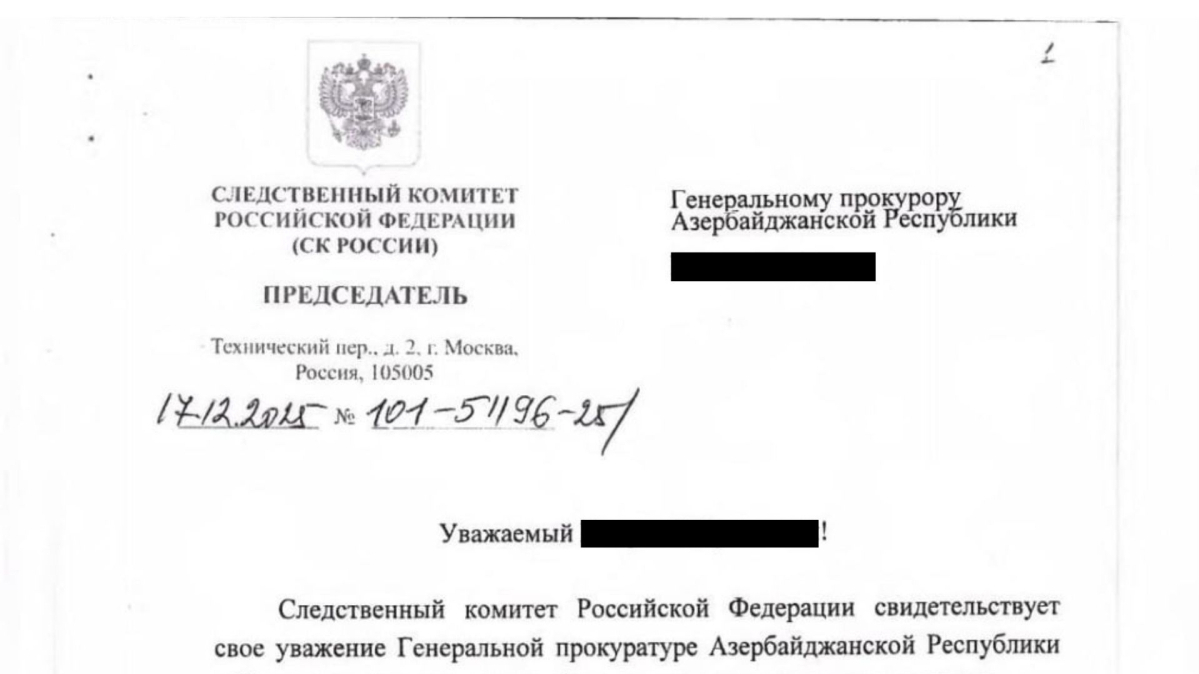
Russia has said bad weather was the cause of the AZAL plane crash in Kazakhstan in December 2024. A leaked document in the form of a letter, reportedly from Russia’s Investigative Committee was sent to Azerbaijan’s Prosecutor General, making the claim, prompting the criminal case to be closed.
However, Azerbaijan’s Foreign Minister Jeyhun Bayramov said on 26 December (before the document was made public), that the termination of the Russian criminal case was a surprise to Baku. He noted that it raised “very serious questions” about Russia’s commitment to justice for the victims.
The apparent inconsistency between the Investigative Committee’s document, which attributes the crash to the weather, and earlier official acknowledgements of responsibility has fuelled scepticism among analysts and policymakers.
In October 2025, President Vladimir Putin publicly admitted that Russia’s air‑defence systems were responsible for the crash that killed 38 people near Aktau, Kazakhstan on the morning of 25 December 2024.
He said it was missiles that had detonated close to the aircraft as it approached Russian airspace which caused fatal damage to the jet.
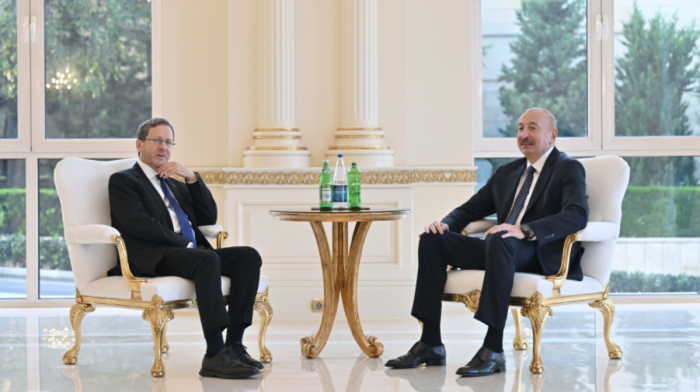
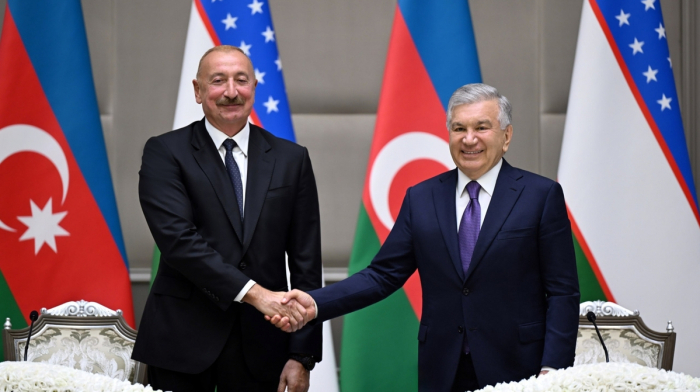
Putin made the remarks during a meeting with Azerbaijani President Ilham Aliyev in Dushanbe 9 October, where he also said Russia would take measures to provide compensation and a legal assessment of the actions of officials involved.
Azerbaijani officials have repeatedly called on Russia to deliver on its compensation pledges and ensure accountability.
According to an interim report released by Kazakhstan in February 2025, evidence suggests that the crash happened not due to adverse weather, or any technical malfunction, but as a result of external interference. The conclusion was reached by Kazakhstan and experts from Azerbaijan, Russia, Brazil, and the International Civil Aviation Organization (ICAO).











What is your opinion on this topic?
Leave the first comment