British Prime Minister Keir Starmer was warned about former U.S. Ambassador's Epstein links
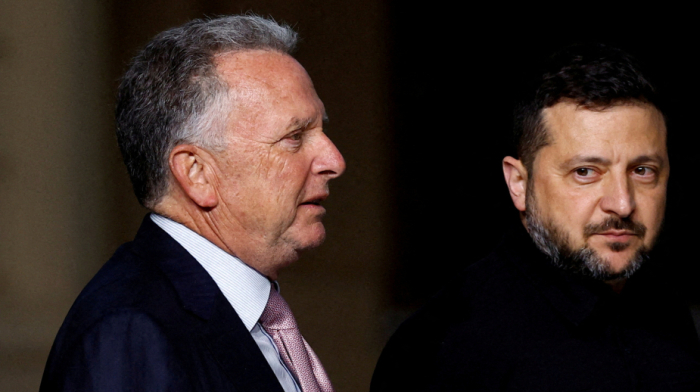
British Prime Minister Keir Starmer was warned about the "reputational risks" of appointing Peter Mandelson as U.S....
A wave of attacks across Israel and southern Lebanon escalated on Wednesday (11 March), with authorities reporting up to 12 incoming missile and drone alerts over Tel Aviv and Jerusalem.
No injuries have been reported in central Israel so far, but towns near the Lebanese border continue to bear the brunt of the conflict.
Northern Israel, particularly areas just kilometres from Lebanon, remains under constant threat from Hezbollah artillery and missile fire, with residents in the Golan Heights reporting frequent shelling.
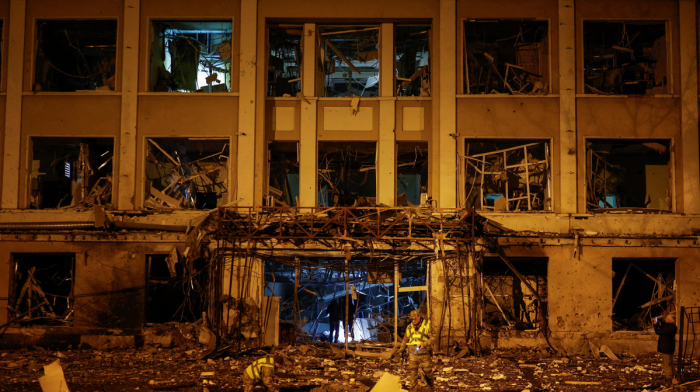
Overnight, the Israeli Defence Forces (IDF) launched a series of airstrikes targeting Hezbollah command centres and weapons storage sites in the southern suburbs of Beirut, including an apartment building in the city centre.
A separate strike reportedly hit a Hezbollah facility in the coastal city of Tahrir. Lebanese state media described the Beirut attack as the second in recent days.
The Lebanese Health Ministry said at least seven people were killed and 11 injured in Al-Shahabiya, southern Lebanon, following an Israeli strike.
In response to the intensifying conflict, the Israeli government is fast-tracking approval of the state budget, agreeing to allocate $13 billion in additional defence spending, with further provisions set aside for potential security scenarios.
Officials described the measures as a necessary investment to strengthen the country’s military response.

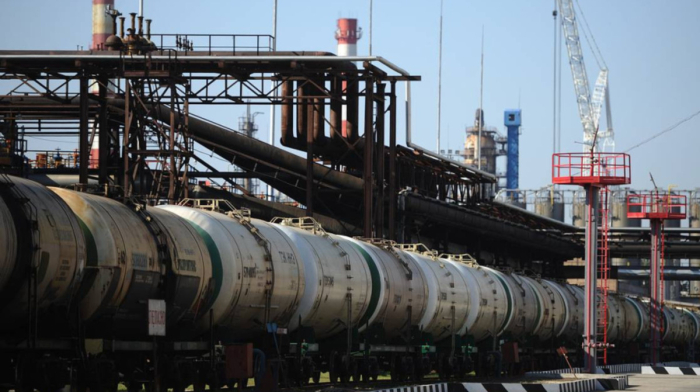
Tensions in the region remained high on Tuesday (10 March), as the United States and Iran exchanged increasingly sharp warnings, including threats over the strategic Strait of Hormuz, a critical artery for global oil supplies.
Iran's new Supreme Leader, Mojtaba Khamenei, was 'lightly injured,' an unnamed Iranian official said on Wednesday, as Tehran and Israel continued to exchange missile and drone strikes - all the latest updates throughout the day on AnewZ.
U.S. President Donald Trump called his recent phone conversation with Russian President Vladimir Putin “very good.” The two leaders spoke on Monday about the situation in Iran and other international issues.
Start your day informed with AnewZ Morning Brief. Here are the top news stories for the 10th of March, covering the latest developments you need to know.
Australia has granted humanitarian visas to five Iranian women footballers who sought asylum, fearing persecution after refusing to sing their national anthem at an Asia Cup match.
President of the European Council, Antonio Costa, visited Azerbaijan on Wednesday. A meeting between Costa and President Ilham Aliyev was held to reaffirm the European Union’s support amid regional security concerns, particularly following recent Iranian attacks on Nakhchivan Airport.
Iran’s newly appointed supreme leader, Mojtaba Khamenei, is reportedly in good health and staying in a “safe place”, despite earlier reports that he had been injured during recent U.S.-Israel airstrikes, according to the country's president.
Kyrgyz President Sadyr Japarov has pledged to intensify the country's fight against corruption, declaring that graft is "worse than murder" and warning that even his closest relatives would face punishment if found guilty.
More than 68,000 children in eastern Afghanistan have been displaced after clashes between Afghan and Pakistani forces intensified along the border, according to a new report by Save the Children.
Turkish president Recep Tayyip Erdoğan told parliamentarians that ordinary Iranians are paying a heavy price for the conflict that began on Saturday 28 February, renewing his call for urgent de-escalation and offering Türkiye as a potential mediator.
You can download the AnewZ application from Play Store and the App Store.
What is your opinion on this topic?
Leave the first comment