Malta’s Prime Minister Robert Abela has secured a fourth successive election victory for his Labour Party, extending its hold on power, though with a reduced majority compared with previous polls.
Speaking after early results, Abela described the outcome as a strong endorsement of his government’s agenda.
“This is a victory of all the people based on the programme we presented for all the people,” he said, adding that the result reflected a clear mandate from voters.
Opposition narrows margin
The opposition Nationalist Party, led by Alex Borg, conceded defeat, while noting a significant narrowing of the gap. Borg said the margin had been cut to around 18,000 votes, down from roughly 39,000 in the 2022 election, calling the result a setback but urging supporters not to lose hope.
Final results were still pending, but early indications suggested Labour would retain a comfortable parliamentary majority, albeit with a smaller share of the vote than the 55% it secured in the previous election. Turnout stood at 87.4%, slightly higher than in 2022.
Celebrations across the island
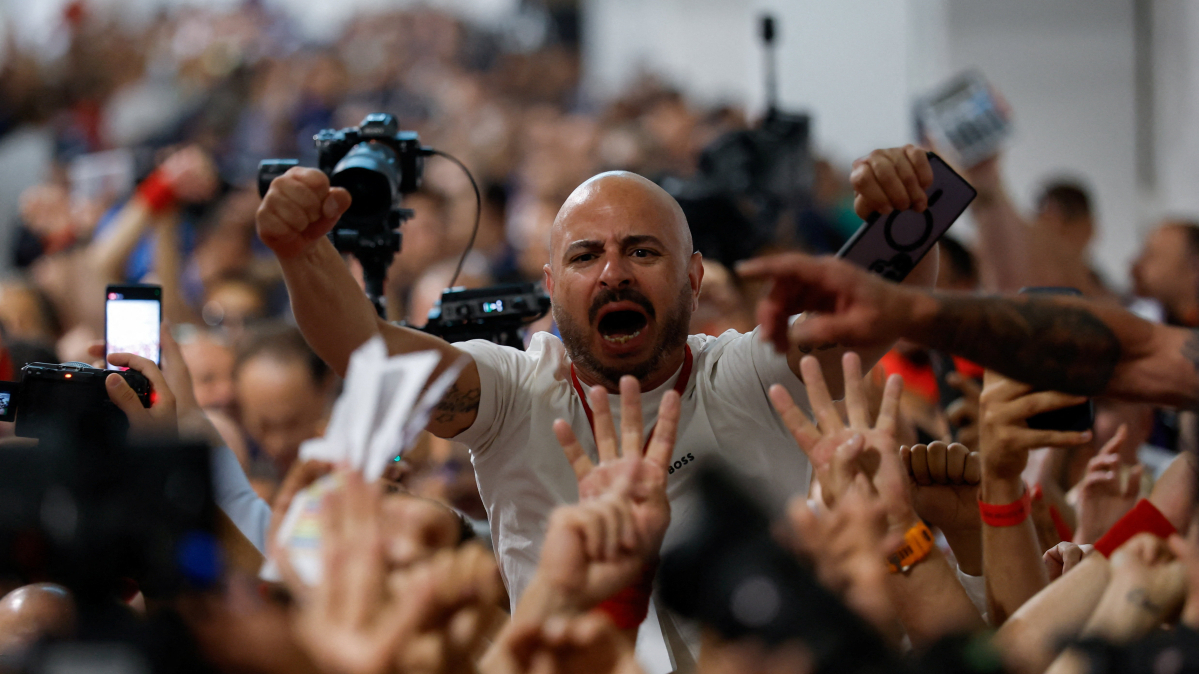
Celebrations broke out among Labour supporters at the vote-counting centre in Naxxar, where crowds marked the historic result. Festivities later continued with gatherings at party headquarters and traditional car parades across the country.
Economy a key factor
Abela called the snap election a year ahead of schedule, citing global uncertainty. His campaign focused on Malta’s strong economic performance, with growth of around 4% last year and low unemployment helping support voter confidence.
However, challenges remain. The conflict in the Middle East has raised concerns about inflation, particularly for Malta’s import-dependent economy and tourism sector, both sensitive to rising fuel costs.
Political landscape remains unchanged
The opposition entered the election weakened by internal divisions, with Borg taking over leadership only months before the vote, leaving limited time to present a fully developed alternative platform.
Malta’s political landscape remains dominated by the Labour and Nationalist parties, with smaller parties failing to cross the 5% threshold needed to secure parliamentary representation.
Abela, who became prime minister in 2020 after succeeding Joseph Muscat, is expected to be sworn in for a new term on Monday.











What is your opinion on this topic?
Leave the first comment