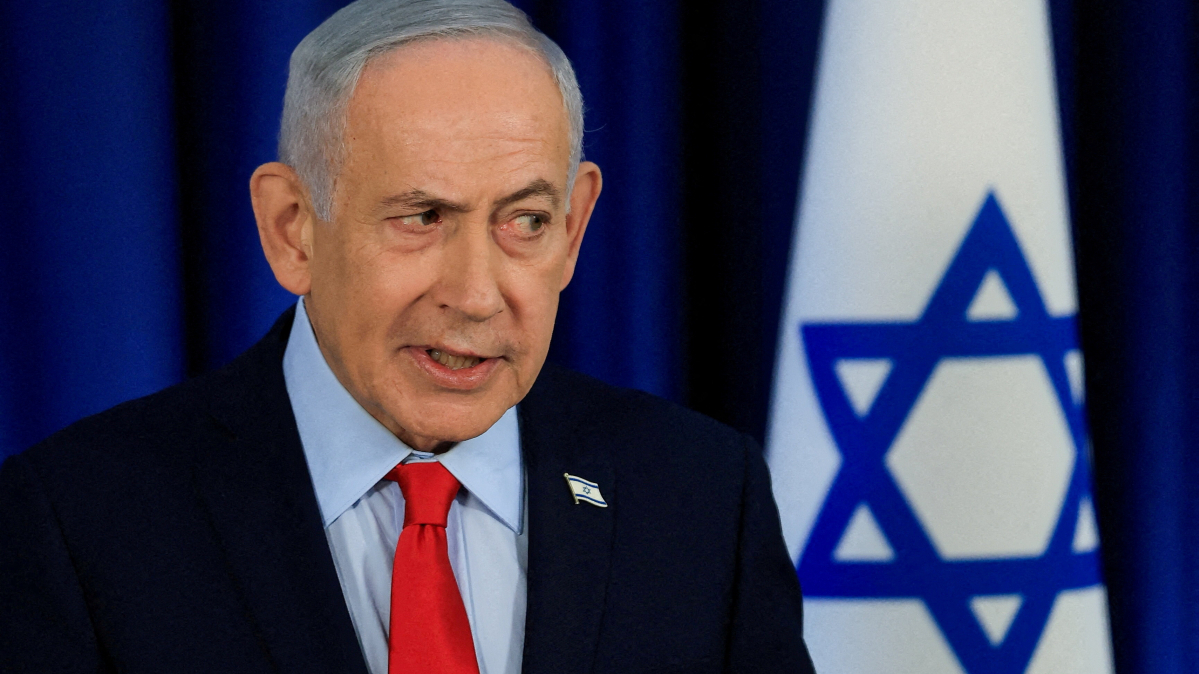
Israeli Prime Minister Benjamin Netanyahu has said Israeli forces will not withdraw from their current positions in Gaza until Hamas is fully disarmed, casting further doubt on a U.S.-backed proposal aimed at ending the war.
In a video statement released on Tuesday (5 August), Netanyahu said Israel remained committed to its security interests and had not accepted the latest draft proposal put forward by U.S. President Donald Trump's team.
"We will not withdraw from our current lines until Hamas is completely disarmed," Netanyahu said.
Israel submits amendments
Netanyahu said the Trump administration believed it could secure Hamas' disarmament and the demilitarisation of Gaza, but stressed that Israel had submitted its own comments on the proposal.
"They sent us a draft. We did not agree to it. It wasn't our draft. We sent them our comments," he said, adding that Israel had conveyed its position before media reports emerged about the negotiations.
He also said Israeli troops had been instructed to do "whatever is necessary" to protect themselves, Israel's territory and its citizens.
The U.S.-backed roadmap, based on the October ceasefire agreement, envisages Hamas disarming alongside a phased Israeli withdrawal, the deployment of an international stabilisation force and the establishment of a Palestinian technocratic administration to govern Gaza.
Talks continue
Netanyahu's comments came a day after Gaza envoy for Trump's Board of Peace Nikolay Mladenov, held what the board described as a "constructive and detailed" meeting with the Israeli prime minister and other officials.
Trump last week described the proposal as "a major milestone" towards ending the conflict, but differences between the two sides remain unresolved over the sequencing of Israeli withdrawal and Hamas' disarmament.
Mass funeral for one family
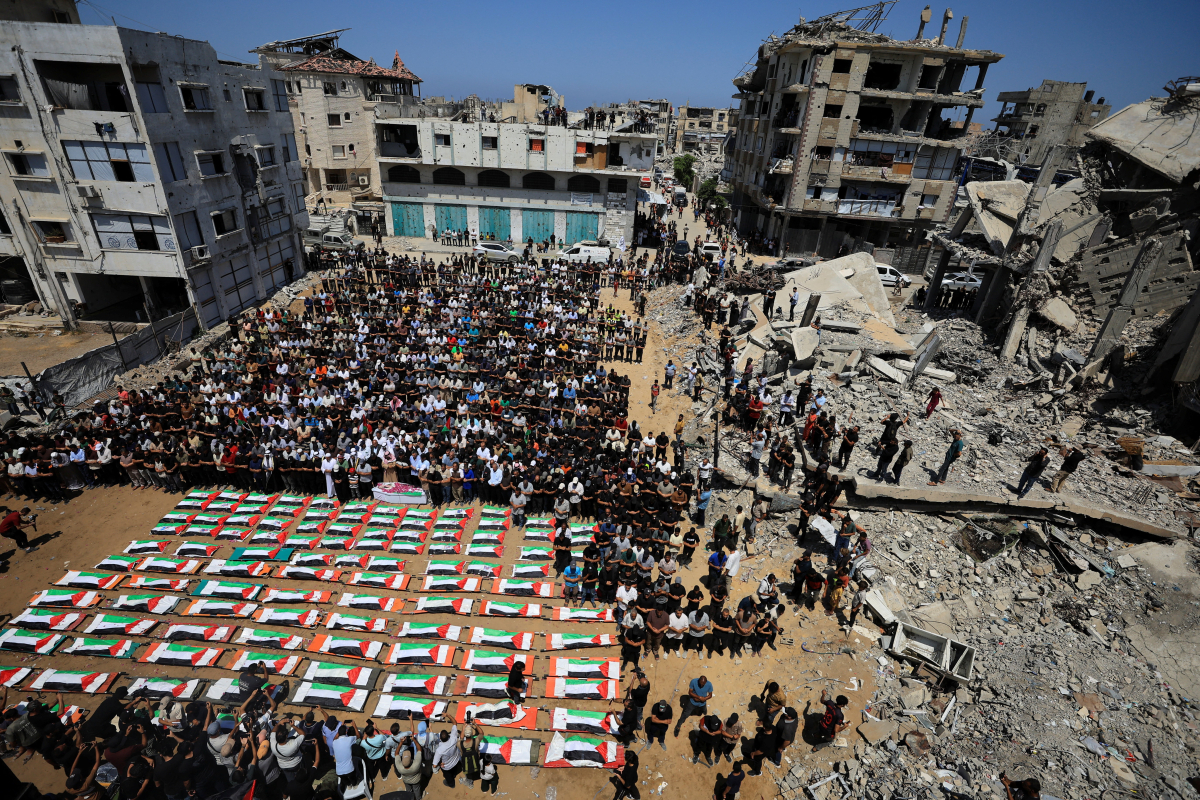
Netanyahu's comment comes as Palestinians in Gaza City buried the remains of 112 members of the same extended family on Tuesday (4 August), nearly three years after they were killed in Israeli strikes.
The mostly decomposed bodies were wrapped in Palestinian flags and laid on the ground in an open field where houses once stood in Gaza City's Sabra neighbourhood. Some bore photographs of the dead attached to the flags.
Gaza's Civil Defence spokesperson, Mahmoud Basal, said it took 17 days with minimal equipment to recover the remains of the 112 members of the Abu Sharia and Al-Hassayna families, killed in Israeli strikes on 22 November, 2023.
Basal said victims had been identified through gold necklaces with their names, implants from previous surgeries and clothing recognised by relatives. More than 8,000 bodies remained under the rubble across Gaza, he added.
A relative of the victims, Taysir Al-Hassayna, said the day had brought sorrow back to the family.
"Stop this war. Stop these massacres against these poor people. The people of Gaza are a people who love life, who love peace and want to live in peace like all other peoples of the world," he said during the funeral procession.
Read more:













What is your opinion on this topic?
Leave the first comment