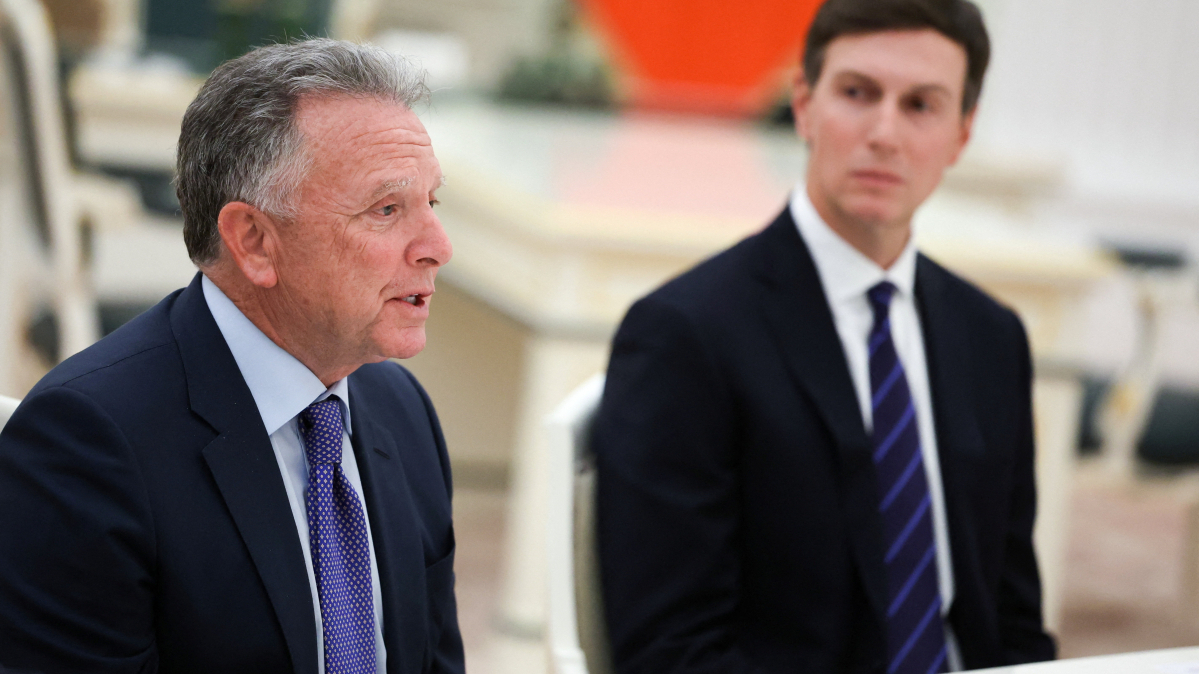
U.S. envoys Jared Kushner and Steve Witkoff are travelling to Berlin on Thursday for talks with Ukrainian President Volodymyr Zelenskyy and European leaders on ending Russia's war in Ukraine and securing post-war guarantees for Kyiv.
The Coalition of the Willing meeting will bring together Ukraine's major European allies, including Germany, France, Britain, Poland and Italy, alongside NATO Secretary General Mark Rutte.
German Chancellor Friedrich Merz expects more than 20 leaders to take part in talks on military aid, peace negotiations and security arrangements to be implemented after a ceasefire.
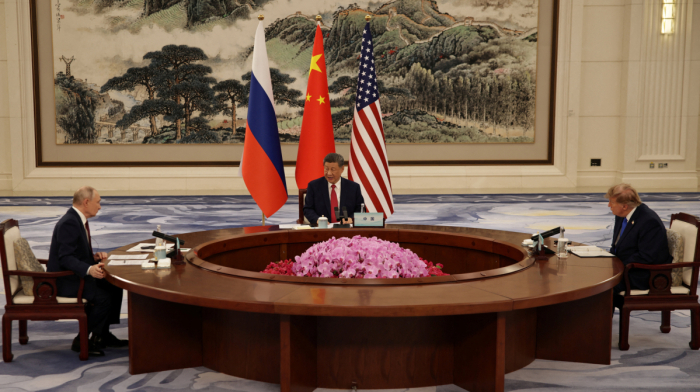
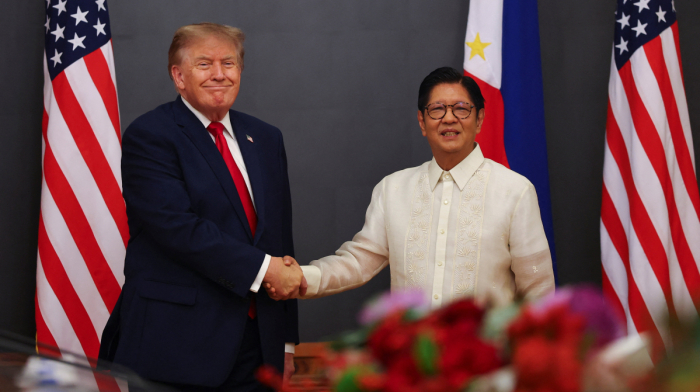
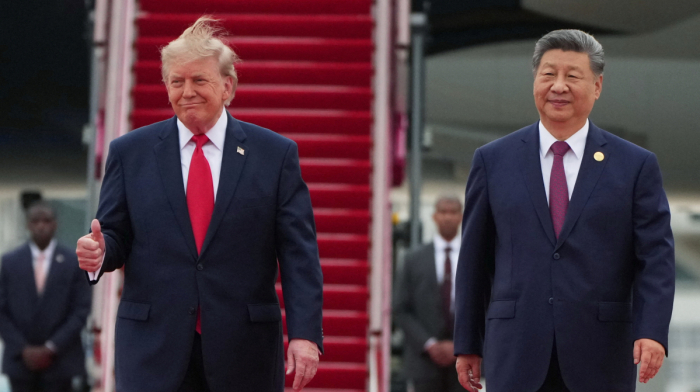
The gathering coincides with a major summit in Shenzhen, China, involving U.S. President Donald Trump, Russian President Vladimir Putin and Chinese President Xi Jinping, with Ukraine expected to be high on the agenda.
Europe seeks a stronger role in peace negotiations
European governments are pushing for a stronger voice in U.S.-led efforts to end the war, amid concerns that key decisions on Ukraine's future and European security could be taken without them.
German officials said the Berlin meeting would reinforce calls for legally binding security guarantees for Ukraine while allowing European allies to coordinate their response to the outcome of the Shenzhen summit.
Kushner said Washington's priorities were to strengthen cooperation with Kyiv and European allies, establish common ground for a lasting peace and lay the groundwork for future multilateral negotiations.
The talks will also address security measures aimed at preventing another conflict once the war ends.
Zelenskyy said the meeting would allow him to discuss the peace process directly with the U.S. envoys and hear details of Trump's discussions in China.
“Ukraine clearly states its desire for peace, and we always work constructively,” he said.
Military assistance remains central to discussions
The diplomatic push comes as differences persist between Washington and European governments over military assistance to Ukraine.
On Tuesday, Germany and Britain pushed back against U.S. criticism of Ukrainian strikes on Russian oil infrastructure and commercial warehouses.
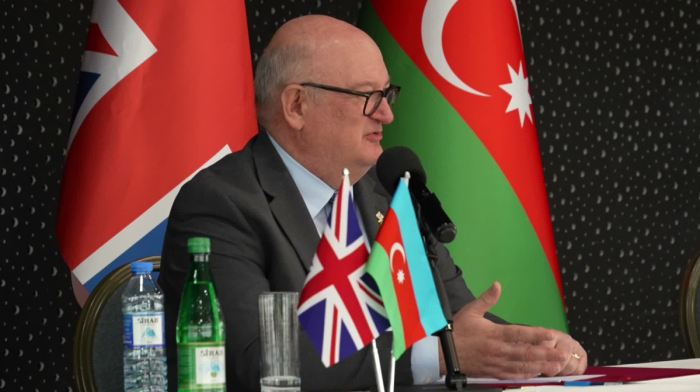
British Prime Minister Andy Burnham said the Berlin meeting would underline Europe's commitment to Ukraine and its determination to achieve a just and lasting peace.
Britain is expected to pledge additional military support, including long-range drones capable of hitting targets deep inside Russia, as well as surveillance and logistical equipment.
European countries have supplied significant military and financial assistance to Kyiv but have played a limited role in recent Washington-led negotiations with Moscow.
European representatives took part in discussions in Abu Dhabi last week, although the Kremlin said it had not agreed to their involvement in future rounds of talks.
Ukraine faces growing military and financial pressures
The Berlin meeting comes as Ukraine's allies step up efforts to bolster its defences against intensifying Russian strikes on energy facilities and other critical infrastructure ahead of winter.
On Wednesday, the European Commission proposed a new €45 billion ($49.4 billion) loan to help Ukraine cover a projected €70 billion ($76.9 billion) funding gap in 2027. The proposal still needs the approval of EU member states.
The Ukraine Defence Contact Group also agreed this week to supply additional weapons to sustain Kyiv's military operations through the winter.
Meanwhile, the Coalition of the Willing has begun military exercises in Poland to assess how Western forces could help enforce security arrangements in Ukraine under a potential peace deal.
The renewed diplomatic drive follows U.S.-mediated talks in Abu Dhabi last week, during which Moscow and Kyiv reached an agreement in principle on a large-scale prisoner exchange, with the details still to be finalised.
As diplomatic efforts gather pace, European leaders are seeking to ensure that any peace agreement delivers credible guarantees for Ukraine's security and a durable framework for stability across Europe.












What is your opinion on this topic?
Leave the first comment